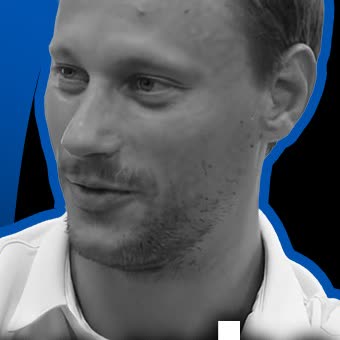
 Ievgen Malik
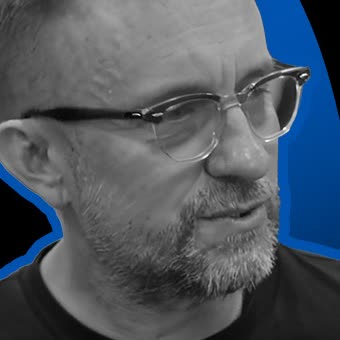 Shaun Pinner
“I am a Ukrainian soldier from East Ukraine who speaks Russian. Just born in London.”
Shaun Pinner — answering Putin’s “liberation” narrative
“We thought this is a special operation. They are all James Bonds.”
Ievgen Malik — on first meeting the English volunteers at the battalion gate
“I was never gonna surrender. I was always gonna try and break out — because I’m British for one thing.”
Shaun Pinner — on the end of the encirclement
“First year you say Mariupol was worse. Second year I said captivity is worse. And I couldn’t even imagine something can be worse.”
Ievgen Malik — weighing the siege against the prisons
“You’ve stolen my house. You’ve tortured me. You’ve given me the death penalty.”
Shaun Pinner — the answer to “we didn’t start this war”
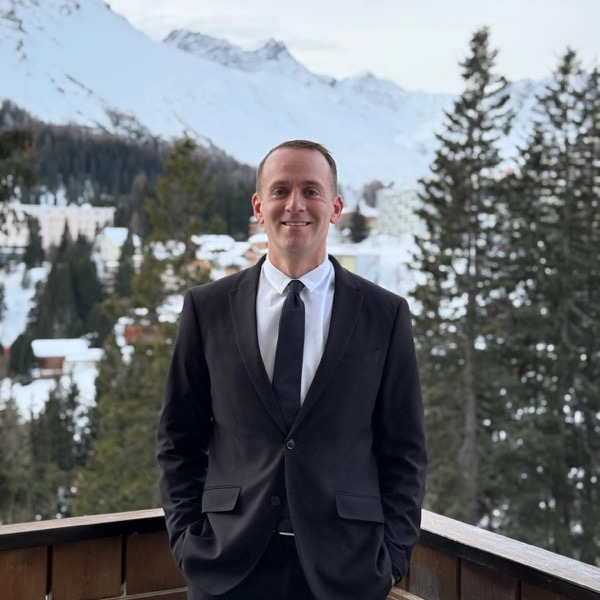
Welcome back to another episode of the Ukraine Military History Podcast. My name is Sam Cook. I'm the founder of the Ukraine Military History Institute, the co-host here of the Ukraine Military History Podcast, where we examine Ukrainian military history, its impact on the world, on the world that we live in today, especially all the way from the beginning to today's war with Russia. We're trying to connect the themes of Ukrainian military history and traditions
from the ancient times all the way until what we're seeing in terms of their innovation and performance on the battlefield today because it has a huge impact on world history and today's episode is back to our history of the current war it is an examination of the beginning of the war which is now four years later is definitely part of the historical record and specifically this This is a special episode following on the three-part series that we've done with Ievgen
Malik, myself and Rob Lee interviewing him about his background and his riveting story about serving in the 36th Marines at the Battle of Mariupol, all the way through to his time in Russian captivity where he spent two and a half years there. Now this episode is where Ievgen actually gets together with his old colleague and friend Shaun Pinner, who's very famous Marine also British former British soldier who joined the Ukrainian Marines and and became a
Ukrainian Marine got his actually his residence and Citizenship here in Ukraine and fought for Ukraine in 2022 alongside Ievgen in a different unit in the same brigade at the Battle of Mariupol and they got to know each other actually in Russian captivity. There's some amazing and powerful and riveting stories about their time together in captivity and where they share their their memories of that and and I think one of the things that you'll get from this is military
can have some incredibly challenging and tough moments but also the camaraderie that it builds among those who share that especially going through something as difficult as Russian captivity really forms bonds that last a lifetime. And watching Ievgen and Shaun share their experiences and what it's like for them to reconnect after that and remain friends is really an interesting story. So we really hope that you enjoy this and reflect on what it means to serve and sacrifice
for something that you believe in and for your comrades like Ievgen and Shaun and all of those who served alongside them did. So this is a really powerful episode. I hope you enjoy it. And before you start watching this, I just want to remind you that this podcast is produced and sponsored by the Ukraine, the Borderlands Foundation here in Ukraine, which has two main initiatives. The first one is the Ukraine Military History Institute, where we obviously host this
podcast, but we're also building a Ukraine Military History course that we're going to teach to the world, both for university graduate students, but more broadly anyone who wants to learn about and get familiar with and learn from Ukrainian military history traditions, because I really believe it's a unique way of fighting that comes from this part of the world for very important reasons, historically, geographically, culturally, and just the sheer number of military
conflicts that have happened in this part of the world creates a unique culture and military history tradition I think we all will benefit learning from. And also another thing that we do is the Heroes of Ukraine tour. We show people the battlefields of Ukraine that have already passed, the Battle of Kyiv, Kherson and other regions and we're getting ready to develop that tour for when widespread travel is possible here in Ukraine in the future after some kind of
ceasefire or the current war ends. So the other center initiative we have is the Ukraine Center for Traumatic Stress led by Major General Vladislav Kliuchkov, a former commander of the Morale and Psychological Support Forces of Ukraine under General Zaluzhny, researching and developing education on breakthrough treatments for PTSD for Ukrainian veterans. And if you want to support any of those initiatives please go to our website and and see where you can get
involved to help us because our mission at the Borderlands Foundation is making sure Ukraine's heroes are never forgotten. So with that, please enjoy this episode where Ievgen Malik and Shaun Pinner reflect on their experiences Battle of Mariupol together and also in Russian captivity before both of them were finally and thankfully released back to us.
Hello everyone, my name is Ievgen and we are making another podcast episode with another guest whom I truly respect so much because this is a veteran of Ukrainian and British Army together. A true ally of Ukraine and my friend with whom I used to serve in one battalion And we are making our podcast episodes about history of Russian- Ukrainian war. And Shaun, you made a great job in our army. You, you was one of the heroes of Ukraine and Britain as well.
And I would like to speak with you about all your experience. first of all to find out like your story in Britain and How did you find yourself in Ukrainian army because this is like how long we have? This is this is strange. Yeah, I'm sorry. I remember the Okay, I will tell my story about English guys in our battalion from the very first moment I've seen you guys. Yeah, but we'll come to this Please tell me about yourself, where are you from, what is your native city, what is your favorite football club, etc.
Well, I'm from London originally, born and bred in London. My favorite team is West Ham United, it always has been. I will talk about it later because we had a situation in captivity where I was electrocuted because I didn't support Shakhtar Donetsk. I said West Ham, but I didn't say ham, but you know, it's I was a little you know, these cattle prod things
I'm sorry probably I would electrocute you as well cuz I'm willing
So I am London team I originally came to Ukraine Really? I was at a position in my life where my son went to university And I run a successful business in the UK And I really didn't know if I wanted to spend the next 20 years of my working career doing the job I was doing. I was deeply unhappy. I found myself on my own quite a bit. And some of the happiest times I had was with my military colleagues. And I had friends still working coming to Ukraine because of the problems with Russia.
And when my friend sort of asked me do you want to come over to Ukraine? I said Why why do I want to fight Russians? You know and I said I knew exactly what they were capable of I come from a nine-year background in the British military I did covert operations platoon in Northern Ireland and counterterrorism work I was with the United Nations in Bosnia twice in the early 90s Part of my training I was reconnaissance, so I spent a lot of my army career in surveillance
and my specialty was resistance training, SERE, survival, evade, resist and escape. On a second operation to Bosnia, I was given the opportunity to go to America and do SERE training, which I loved. And that taught me about what it was like if you were captured by the enemy, how to resist interrogation, how to make things work for you to better adjust yourself into that environment and give you the best possible chance to survive. I just didn't think I'd be using these skills 30 years later.
Just wondering, did it help you?
Yeah, absolutely.
Seriously.
from the minute I was, we tried to get out of Mariupol. I'll go back because first of all, I don't want to jump ahead. I was literally came over to Ukraine in 2018 and I didn't understand the political situation fully, but once I made the decision to come visit some friends, I didn't go home for maybe five years. So I literally went to see my friends in Mariupol who said, we are looking for instructors to reform the Ukrainian military after the annexation of Crimea and the invasion.
I fell in love.
And who were them? From which troop?
I was National Guard in Azov. I was a sniper instructor with Azov for two years, working with Azov on the front lines. And then I only transferred to the Marines, where I met yourself, because National Guard, at that time, you couldn't be a citizen of Ukraine. You couldn't have a contract, sorry, because you weren't a citizen of Ukraine. So I had to make a transition because by this time I'd met my wife in Mariupol. I'd been living there for two or three years.
I learned Surzhyk, Russian mainly, because I had no formal education. I just listened to everybody and most people, it's fair to say, spoke Russian or a form of Russian. So I learned Russian, not Ukrainian first. So I am a Ukrainian soldier from East Ukraine who speaks Russian. Just born in London. Yes, so when Putin gives his narrative about saving the Russian speakers, I was a Russian speaker from East Ukraine. He didn't save me or my wife or my friends.
He stole my house.
The same as me and all my family and all my friends.
Yes, it's just so much rubbish. It's garbage. So I literally transferred to the Marines where by the time I got to the Marines, my language had got a little bit better. I wasn't fluent. I wasn't, I can't read or essentially write Ukrainian. But essentially I could get by on the front lines talking to the guy speaking Russian. And by the end of it, Rusglish, because by the time I got to the unit and the Marines, not many people spoke English, but by the time we did our first operation,
nine months on the front line and people, you know, uh, would come up to me and say, Shaun, what would you like for dinner? Would you like chicken? One, two, three, four, five, six, seven, you know, and we developed this language over time. And when, when I first got to the Marines, uh, generally people were, why are these guys here? You know, why, why the English guys?
I remember the situation when I was in barracks of our battalion. My commander of my company was duty officer of the base. And that was like Friday, like end of the working day. I was relaxed and then my commander of my company just called me and said, like, come to the entrance gate of the base. And I was like, what is going on? What happened? I came and he said, like, you speak English, right? I said, yes. Okay, great. Here's the guy. He speaks English. He wants something. I don't understand. Like, speak to him.
I was like, okay, no problems. And I've seen the guy who was like, he represented himself. And I said like, yes, okay, very good. So for that, what is going on? And he said, I came from England, I want to serve in the battalion. And I was like, what? No one even in Ukraine wants to serve in this battalion. Man, and you from England, well, you know, we knew that in Britain you got your own marine troops.
Yeah.
They are like super, super human.
Yeah, very strong.
Yeah, very strong, strong operations, strong ammunition, strong salary. Everything is strong and now this guy is coming from England here. Like, well, I was so much surprised. And yeah, well, we organized it because due to the law, officially in Ukraine, foreigners can serve in Ukrainian army.
Yeah, no problems.
And and then we've seen like more English speakers starting to come. And we thought like with the guys like, this is like, you know, this is a special operation for English. They are coming not just well, they just make believe that they are that they are weak But no that these are James Bonds all of them and they are super super humans This is special operation Recruit operation intelligence. Yes Well, and as I remember the decision of Battalion headquarters was
organize all of you guys in one squad of airborne company because commander of airborne company spoke English and this this the pinnacle of battalion this the top part of the battalion they say
you will parachute I'm 45 with my hips and my knees just hold out and I stuck at it and it made me really fit for my age So I was happy with my fitness. I needed to get fitter still. I didn't know. How this was going to go. And once I do my parachute training and I do my first jump, you couldn't stop me from coming. Every time they say you want to go parachute, I say, yep,
definitely. Yeah. So it works. That's true. Yeah. Yeah. Yeah. No, I was going, uh, cause I was a volunteer. I joined to the army by my own. And, uh, uh, first of all, I wanted to join to the the airborne company because I heard that they are like the most strong, crazy and the most disciplined guys in all army. But I don't know how that happened, but I joined the second company of our battalion. And I was really glad after I've seen what is going on in that
Airborne Company and I thought like oh thanks god I'm in the second company.
Rudenko was a good commander and he like you said spoke English took us in and we made very good friends we we did everything you asked us to do you know we knew we were even trying to learn how to march Ukrainian march and salute and The etiquette, the protocol. On operations, we didn't have a problem. We knew tactics. We knew how to use hardware. I'd spent nine years in the British army learning how to fight Russians. This was easy. Living in the barracks and the base was very hard because you have Ukrainian
standards, Ukrainian writing, Ukrainian instruction. This was extremely hard. So I liked going to operations and the war side of it. I wasn't so keen on being in the base. The base wasn't for me. And they made me senior sailor very quickly. And then I was doing a section commander role. For an exercise, I ran a BTR. I was BTR commander and I was thinking, oh, I'm now a parachutist. I'm doing Marine beret test. Not just like for 20 year old, this is going to be easier than a 45 year old doing the Marine beret test.
I found I passed this. I think this is amazing. I'm now a Marine. I'm now airborne Marine.
Yeah.
And now I'm fast roping parachuting. I loved it.
This is the thing in Ukraine, Marine troops, like I think in Marines all over the world, in case you are a marine, you are everything.
Yeah.
You have a fighting vehicle you commanded. you have all the weapon types of weapon you are making this parachute and everything about is possible so this is probably one of the greatest experience in army that's why so many people try to join marine infantry. In British military it's very hard to get parachute course so when they say you want to do in the marines, yeah okay. And you know what, you do this yearly, minimum five times. Minimum five, six times, sometimes you do two jumps in one day.
You know. I know the situation because in airborne companies of Marine Infantry of Ukraine, people who are making this parachute jumping, they are fans of it. And they tried to make it as much as it possible yearly. And even they tried to make jumps instead of helicopter pilots, because they have to do it as well. So they make not 5 jumps, they make just 8-9 jumps yearly. And they serve during 15 years. And I know that even in the United States, in case you have 15-16 jumps during all your
military career, that means you are truly professional. When they got to military trainings with our airborne company and they spoke to our guys, like how many jumps do you have? And they were like, well, 120. What? That is true. That is true. Yes. That is how it works.
In my three years, I did nine jumps, one night jump, which, which I thought was amazing. I was the only British guy foreigner to complete a night jump. During my night. I got my wings because you have the white one for day jumps and you have the black one for night jumps. And I was the only one to have the black canopy for the, for the night jumps. And I was very proud to be a Ukrainian. Even now, I argue with media, they say, oh, you foreign fighter.
No, I'm Ukrainian Marine. Yeah, that's me. We don't say this, Gurkhas. We don't say this for the people from Nepal who fight for Britain, the Gurkhas. We don't call them foreign fighters. They're British soldiers.
Exactly, that's how it works.
Why am I a foreign fighter? I'm not jihadi, you know, and we still fight this Russian narrative.
Some kind of an international legion or whatever. This is a regular troop.
Yeah, absolutely.
And you were a soldier of a regular troop. Not PMC, not paramilitary, it's regular army. Navy, Marines.
So you know, I loved it and I loved being on operations and loved working with the Ukrainian military and then I had a really I was back doing a job I loved that I missed every day. So I'm immensely grateful that I had a second chance to be in the military, which is what I loved. And I missed it so much, and I miss it now since my exchange. So I've always loved it. So I'm deeply thankful for the First Battalion for allowing me, training me, having an idiot English guy who can't speak the language
to now, three years being in Mariupol, and fighting with you guys there.
So as a Ukrainian soldier veteran, I would like to ask you, this is the main question for all the Ukrainian soldiers to someone who came from abroad. What is the difference? What maybe, I don't know, we say this cut your eye in Ukrainian army because you got an experience you served in British army. The British army is not the worst one in NATO.
No.
Yes?
Yeah, yeah, yeah.
So one of the best and now you joined the Ukrainian army and you've been not just in military training but in operations, in the true war. So what can you say, what is your feeling about it? What is the main difference? What would you like to say about it?
It is different. Definitely. There's two or three aspects to it. One is I joined the Ukrainian military at the right time because you were moving away from Soviet doctrine and I'd spent two years in National Guard and as of teaching Ukrainian soldiers how to move away from this Soviet doctrine, centralized command. And I came to a unit where they were open to this. My commander, Stratuchuk, was a very good English speaker, very American, understood
NATO. Genco was the company commander. He'd been to Quantico. So I was with guys who understood other militaries. The difference. They weren't guys that didn't understand, you know, they were Soviet doctrine guys. They weren't guys that hadn't been out of Ukraine. They were guys that actually had worked and understood other militaries. So that made life extremely easy to train, talk. I wouldn't say train, but influence. I wasn't in a position to train people at the marines.
I was a senior sailor. And over time, my experience in operations was where I could influence decisions where my commander would come to me and ask me, what do I think about this? What do I think about that? What should we do about this? We could bring training programs together.
So that was in Ukrainian army. That was in Ukrainian military. In British army, is that the same way?
Yes. There's more when I first come to Ukraine. There was really no emphasis on NCOs sergeants corporals there was none of that the platoon commander did everything He was the guy that did the training he looked after everything. He made sure everyone was okay. Here's the guy that you know Organized the the battlefield the structure the section attacks the company attack. He did everything by the time I 2022 came, we had worked with with Sea Breeze, the Brits, the Americans, the Swedes.
Yeah, and officers saw that sergeants can make the great job as well. Yeah, corporals even could make section commanders.
And so I was at a really good time where I watched this transition of this Soviet doctrine military where they were looking on using electronic items to get from A to B. And there was too much reliance on this Google Maps and things like this, you know. You know, and I was saying by the time, you know, 2022 came, we'd moved away from this centralized command to other more reliance on sergeants and corporals to be able to make those decisions and, you know,
give a task. For example, in the Soviet doctrine, the commander would say, we're going to take this hill, but we're going to do it my way. And this is what you are going to do. And you're going to go there. You're going to go there. Now, it was more like by 2022, it was like tell the section commander or the sergeant what you want to do and he makes it happen. And they have their own, right, we're going to take this, we'll do it this way. And that's where we were moving towards before the full-scale invasion.
And the British Army is very much like that, decentralized command. Yes, we have good equipment, but we're very small. You know, there was the army's quite similar in a way. And I kept telling the Ukrainians, they were going, oh, your army must be so different. I said, no, it's still the same in the front lines. We still grumble and we still say the food's crap and, you know, and we're digging holes and, you know, and we're still moan and groan and we're still the same.
And I would say this is probably one good. It's identical to the reality of the world, the frontline, that is better to be like that. Everybody complain about digging until artillery come.
Exactly.
And then they dig with their eyelids like this.
They are digging until the artillery comes. So there's lots of similarities between the British Army and the Ukrainian military. And if you're talking about bonding and building brotherhood, You can cook and you can look after yourself and you can educate people. I learn I knew more about Russian Mines, MON-150s, MON-100s, TM PMN mines I knew more than most of the guys in my platoon So, you know, I was teaching them about signal man signal flares how to lay a tripwire
They did not know any of this. So Automatically, even though I'm British I I might be bad in base and capo pair and guard and but you're still good in war in the war Um, I can hold my own and that's the difference and I think once we learn a language we pass parachuting We did the beret test. I think then We were now Ukrainian is that because we have joke. He said I cook a Ukrainian borscht to one of my friends. He said Shaun This is not Ukrainian because you are British
It can be British borscht. It's British borscht. So we have this humor. But I was like 50%, 60% you know, jumping and a Ukrainian soldier, which I was very proud of.
Yeah. Of course, Platoon is the family.
Platoon is the family.
Yeah.
Yes.
Okay. Speaking about artillery which comes for you, in case you are a marine, this day will happen. So, tell me please, because there is a big difference between the operations we did with our battalion till the moment of 2022 and after. So, Mariupol operation, you made it from the very beginning to the very end, the same as me. Tell me about your impressions, because you've been to Bosnia, you've been to a lot, a great amount of military training, much more than me, than I did.
But Mariupol operation is something special.
I mean now war now is changed to be fair. It's even War now is not what it was in 2022 because of drone advancements. I mean the war is is changing immensely fast And drones are now the new everything. I mean they're the sniper. They're the mortars. They're the artillery They're the reconnaissance, they're everything to do with the frontline. When I first joined the army, we didn't even have mobile phones. This is how long I was...
You're a dinosaur.
So we didn't have mobile phones when I joined the military. So it's very... I've watched this evolution over many years. So when we got to... When I fought with the British army, we didn't fight the Russians, who have a very good military, very good air superiority.
This is a big difference between the Afghan Taliban and the Russian army, isn't it?
Absolutely.
When you send just two mines to that side, to Afghan guys, and they send you a couple of shots from, I don't know, this machine gun. And in case with the Russians, you send two mines to them, and from that side they send something a little bit less than atomic bomb. Like, you know, you don't even know what, what, what works.
We're exchanging all this and it's, it was so different and the technology changed. And then the drones had thermal and then, uh, you know, we see Russian drones flying over and you're thinking this not, this not, uh, and I use the word separatist, but this not, you know, separatist now Russian military. And, and the news come see me say, Shaun, What do you think will happen? Everybody says maybe three days and I say no, we will give them a bloody nose
That's for sure and the journalist off the camera say do you really think you're gonna give him a bloody? I was like, I don't know. It's bloody Russia. It's not ISIS. It's not the Taliban. This is this is Nobody knows how this is gonna go exactly
So I remember My friend and you know him. You know him also also Artur Kolesnik, Kaleso. He had such experience, he said, I was in the field when another battle, fifth battle from the very beginning of full-scale invasion, something like that, the second day. And he was together, two of them, two marines in the field, and they were just holding the position. And they heard some zzz, and they saw this drone above the head. And he said, hey, look, this is the drone.
Maybe they will send some artillery here. And another guy said like, oh, come on, like there are just two of us here in the field. They will not spend ammunition for that. And what do you think in 30 seconds, like grad two place, like, I don't know how many, like 80 probably two soldiers. Like, are you serious?
This was really something I witnessed through Mariupol, how bad the Russians were at ammunition conservation and how they would quite happily just fire mortars into Mariupol and not bracket change the, they would fire 10 mortars in the same place. No adjusting or bracketing. It was just like somebody was going, And I think, oh, we're gonna die here, we're gonna die here. And they're, next one to hit the same place, next one to hit the same, they're not hitting anything.
It's just, and I just think, this is crazy. This is really crazy.
Yes, they don't count anything. They don't count down ammunition. They don't count people. They don't count weapon. They don't count anything in case they need something to destroy. They will destroy it completely.
Yeah, and they'll use like a grad to hit, you know, two guys in a field. And you just go, that's just crazy.
Exactly, like two soldiers, this is amazing. Like, well, in case you know that these are two generals, that is acceptable, but two marines, no, this is ridiculous, but still they did it. And I wouldn't be surprised in case they see that they are still alive and they would send aircraft jet to bomb them, for sure, like, you know.
It was something, you know, they would do the same when they were trying to get into the steelworks. you know they would send eight guys and then fail and then send another same route in send 20 guys fail send 30 guys do the same thing again and you're just sitting ready to go and it's like they're coming in again and you just and you cannot believe that they are coming like seriously guys here are these dead bodies they didn't manage why do you think that you will
no no it's okay we'll just send the same guys in
20 is not enough 40
40 yeah
no 40 80
crazy Yeah, you know, it's like I just I couldn't when I talk to militaries because I I talked to NATO militaries about Operated in Ukraine and about captivity and and I talked to them now and I talked to them about you know What was happening? And it's so obvious why they haven't moved very far lost in Kyiv And still can't really make they make small gains at the expense of 1 million Russian soldiers casualties now. It's so obvious why, because they're so badly trained,
centralized command, don't understand the situation they're going in. They are not interested in the situation. They don't even try to get in. They just bomb
everything within the radius. In case you see this, they're away from Mariupol to Pokrovsk, all the cities, even in case you will try to find it in Google Maps and try to make a research you will see that everything is destroyed. So they don't just this is the way they operate it. Yeah they just destroy everything and that's it yeah they are fine. That's okay and there was no
pattern to the the bombing in in Mariupol I mean they would hit you know the steelworks and then we had there was no power in in Illich we had no all the electric lines were dead. For some reason the planes would come in and take out a you know a pylon, electric pylon, you know the electric tower and you'd go why did he just shoot that? You know there's no electric, he's just taken out with his
missiles and electric. Do you remember there was in Mariupol monument of tank? Yeah. What did they do? They were bombing during the months.
I mean, it was very emotional, very dangerous, very chaotic. I can't use many adjectives, but it was a time. I mean, it's very emotional. We lost so many people through the bombing. But some of the things we talk about now is a coping mechanism to deal with what we see. And some of it was just bizarre. Some of it was crazy. And still, when I talk to NATO troops now, I tell some stories and they say, really? They don't believe.
I remember that barracks on the factory Illich, where we were. and where was this battalion headquarters there was a clock, big clock and each hour some Russian tank just came because he saw, he was shooting like each hour just reminding us that it's 2 pm, like 3 pm and there was no sense in it but he didn't care, well okay I will send like 24 shots during the day. Well, no problem. Tomorrow I'll get 48 because I ran out. Okay, no problems twice more.
Yeah, yeah, yeah.
That's how it works. In case you fight with the Russians.
It was my first experience of grad too. So grad was something I didn't particularly like. I'd not been graded before and I don't particularly like grad. AGS is another one I don't particularly like because unless you hear the pop, you can't hear it come through. All you hear is... as they come in... mini-grad. So I didn't particularly like that. And the first time in my military career, I'm now the Taliban. I'm now ISIS. I'm now Guy in flip-flops.
This is... yes, this is the thing. As a professional military, I used to see all the military films in the United States, in Britain, in Russia, Ukraine, everything about war and I someday probably at the end of March in Mariupol I recognized that I don't know I have never seen such film where main actors some company would be bombed and tried to execute like so hard you know even well In case you watched some film, tank probably is the worst. What can happen to the main actors.
But in our case, tank was the minimum what could happen to you. You have 2-3 hours of artillery, aircraft and then maybe infantry. MLRS and everything.
And you just sit there and go oh, oh, oh. And then suddenly your infantry, maybe 30 guys come in, you have a firefight maybe.
In the end they stop firefights. They just bombed.
Yes, in the end they stopped coming in and this is like a break for a cup of tea or coffee
Infantry comes so we will not get bombed now. So this is yes. Yeah
Yeah, it was just but it was like I can't remember sleeping for seven weeks I can't remember sleeping from from Pavlopil all the way back to through Mariupol I cannot remember where I slept at all So by the time I was captured, I was thankful for the sleep.
I remember, but I was sleeping like I sat in some dot.
Yeah.
And that's it. I was run out of power, energy, and I just slept. And no matter about this Grad, I didn't react on it. Or in case this is the 15th time they tried to bomb us by grads and nothing happens I don't think that something will happen in case they will make it again.
It's surprising what you get used to.
Yes, exactly.
You do, you get used to. Which is crazy, people don't understand that sometimes you just get used to the grads and the artillery coming in. It's scary, scary stuff.
Yes. Okay, so going further after the Mariupol, the greatest experience Well for me that was like that because I couldn't even believe that well First year you say that Mariupol was worse still worse than the captivity But this second year I said that no captivity is worse than the Mariupol and I couldn't even even imagine that something can be worse. But still it happened. So.
For me, Mariupol was worse because we were losing friends, people were injured. We were, we didn't know. I understood that the encirclement was 200 kilometers deep. We were on our own. So I could prep for, to maybe that we would try and get out, break out of Mariupol. And I was sort of saying to people that, you know, we could, we're probably gonna leave soon. And that was where my training sort of really kicked in. And I thought any point now in April,
where somebody's gonna say, that's it, it's over. And now it's every man for himself. So I was ready to go by the time we did try and break out of Mariupol. I was never gonna surrender. I was always gonna try and break out because I'm British for one thing. I didn't want to get captured.
Yes.
So I was never going to surrender. And then, um, essentially I'd had training. So I felt quite confident that I could get out. I knew my home was Mariupol. I had a house in the left bank. My wife and I lived in Mariupol was now defending my city that I'd lived in for five years before, uh, the full scale invasion. So this was like, uh, my home. Um, so I knew the area. I thought we could probably get out, break the first line, and then we would have a bit of space
to maybe get moving towards friendly lines. And I felt quite confident that we could do that. Even me being 46, 47, with the Russian army chasing me, I thought when we actually broke out, I felt quite good. I was like, thank God we're out of there. We, you know, we done all we could have done. We couldn't have done anymore. There was just nothing left. No food, very little ammunition. We'd been doing it for six weeks. It was just, you know, I was glad that when they said,
we're gonna go, we're gonna go. And I was thinking, great, let's move. We can't do anymore here. So I felt quite confident. And my training, I would already prepared my equipment. Like I'd started getting my debit cards, my credit cards, snapping them, because I thought if I get captured, they're just gonna take me to an ATM.
We did the same. We broke all the mobile phones, all the computers, all the radio stations, all archers, the provisions, everything that could be broken, all the Javelins, everything we broke. And I even remember, because archer, you know this for the snipers. and when we surrendered, and they started to make a research, like what we left for them. And some sniper, I think that he was a sniper, he found this broken archer. And he came to us, there were 100 of our soldiers,
and he was like, who broke it? Who did it? Like, you know? He goes, in their army, they have never seen this. and he was hoping like he can use it, but it was broken and he was like, who did it? And I don't know, my God, he's going to kill us for this. The the we got ambushed on the way out because I was on the edge of Illich. So I we we actually got ambushed on the way out and I lost lost my platoon because it was about three o'clock in the morning when we tried to break out and it was dark.
and the day before was great because it was fog and I thought... I was watching this fog so many times and I thought just leave it, just take it and go right now. This is your chance. But I couldn't, you know, in case you are with some group, you stay with the group and you cannot do anything with it. Yeah, it's great and then the next day sun, blue sky. And I was thinking and the orders: go hold you home, go wherever you want. Okay, thank you very much.
Thank you very much. Why didn't you say this yesterday? This is the question of the military orders.
They've got to wait for somebody to say, yep, go and I mean, I got captured. I didn't want to get captured. I had a plan if I was captured that I would surrender to a Russian officer. I didn't. I got captured by the DPR. And I was captured about two hours outside of Mariupol, which was, I thought I'd got through that first line and literally I was working my way through buildings because the drones were a problem. So I couldn't walk through the day outside because the drones would see me.
So I tried to stay in the buildings and then I was worried about what Ukrainian defenses were in those buildings. So that's why I was looking through doors, looking for tripwires, looking for... And I was thinking, I've got to be really careful going through the buildings. I maybe do... It took me two hours to get maybe 200 meters. You know, it was like, I was looking.
This is the thing that I saw it and I could understand the same, that you cannot just walk. Even if you walk this 180 kilometers, it will take you week, more than week.
Yeah.
Just to walk. You do the math. Without water, without food, without anything, injured guys, what would you do with that?
I was working the math. I was going, if I can do this, this way, 200 kilometers, I'm probably doing one mile an hour. If that and I said, Oh my God, that's going to take like 15 days. Life did not prepare me. And whilst the course was really good, but not so good. I'm like a Bravo Two Zero special forces during the escape and evasion. And it's like, Oh my God, it's like everything I'm thinking. How am I aware? Water was the biggest problem. I had no, we had no water.
Where will you find it? Sticking back to my training rivers, plastic bottles, evaporations. I was thinking, well, damn, we've got to find some water.
This is the thing. A lot of guys relied on the river, but I know that a lot of guys were killed there by Russians. Because Russians are not so much stupid. Well, yeah, there are some questions to the IQ level, but not so big questions. So yeah, they realized that. And I know that I've seen the photos. A lot of our guys were simply killed there. So we are pretty much lucky that we surrendered. I found an officer and made the negotiations that saved us because I've seen our guys who
tried to surrender to Russian soldiers, some machine gunners. They tried to kill them. They didn't manage that, but they tried. They didn't even want to speak with them. And I was lucky to find a contact with them because we got some Russian guy captured in in our factory, Aglofabrika, if you remember that. And we found a contact with his commander and I made the negotiations. But if not this guy, if not this officer, I don't know what would happen to us.
Yeah, well, I didn't have that luck. They shot a round, a bullet, over my shoulder and then I had to negotiate the surrender and then I had to walk 30 meters to them and trust they weren't gonna shoot me. And at that point my war changed. I couldn't do I couldn't run I couldn't get around them it was broad daylight and That's when they started to I realized that I'd been captured by the Donetsk People's Republic because they have this different color band
And they look they look bad soldiers. They have three different types of soldiers three different types of camouflage
Yeah, you remember this our first marines in the combat mission. We were like like from the movie Everyone multicam No one wore the pixel if you are in the pixel that means like you you got no money Play casino probably or something like that. I was like with my Garmin watch and Lowa boots and and I think Oh, no I look like special forces guy now and i'm gonna get captured and I think oh no
And then they beat me and then they take me to commander of the position and they put the bag over your head and then they fire.
This is a good sign.
This is. And then they tell me you're English. Yes, I'm English. I say don't shoot in my best Russian. I'd say don't shoot. I'm English. And then I say in English, don't shoot. I'm English. So they take me to this commander. And then once they tied me up, then they start to beat me. And only for a small time, it wasn't too bad. But then the Russians came. Straight away they came. And I was made, they took my hood off, checked my passport, my army ID against my face.
And then suddenly this guy comes out with a knife and just stabs me right in the leg. And I think, I was screaming. I just thought that's it. I was like, that's it, it's over. And then he came along and got this T-shirt, this old dirty blue T-shirt, put it onto my legs. And then sellotape it.
On purpose just to make you lame.
Yeah, he didn't want me to run anywhere. So he just...
Can you just, this is the thing even I've seen in Sartana when they get all captives, they were asking like who you are and et cetera. in Sartana they didn't beat us, but they already beat all the English speakers they got. And to Olenivka, when we got there, English speakers were not there at all. I haven't seen them. They were in some, you were in some other place. So the thing is, in case they didn't beat us, English speakers, they already did.
In case they beat up us in some place, at the same time English speakers, they got something even worse, even much worse. This is the thing I try to explain all the foreigners that English speakers, like for Russians, you are not English men or American, they don't care. They are like Anglo-Saxons.
Oh yeah, that's it.
Anglo-Saxons, you are Anglo-Saxons. If I didn't hear Anglo-Saxons. You are natural enemy of Russians. For them it's no matter Australian, American, Canadian, British men, Irish men, no man. You speak English, you're an enemy and you have to be beaten, you have to be electrocuted, executed and etc.
Yeah, yeah, yeah. And that's pretty, you've nailed it. I mean, it was pretty much, I was electrocuted next. They put little pads on my fingers and then stabbed me and then electrocuted and you hear that tic tic tic tic tic tic, electrocuted and then they would beat you and then they would kick you where they stabbed me in the leg they were kicking and punched with the
batons yeah that this we called it the black mamba yeah exactly with the plastic tube was even worse I think I didn't I didn't have that yeah lucky yeah but still you got a lot of bad things and yeah
tortures and that is really horrible it is we have a psychological torture as as well as physical torture. Because they're so good at it.
I always says that, well, look, we've been in prison, Russian prison, which is, it used to be made in, in times of Russian Empire of Yekaterina. And the thing is that the history of some Russian prisons, Russian prisons are even longer than the history of some independent countries.
Yeah.
which exists nowadays.
It's systemic.
Can you imagine like we've been in Mordovia in a village, Udarnaya, and we got the prison there. Prison and the village near to next to the prison. And just think about like you got two choice or you are a farmer or you want to work, you want to work, go to the prison. So the guy who is a guard, he is a guard, his father used to be guard in this prison, grandpa, grandpa or the grandpa and can you imagine like how much professional is he?
Yeah there was no, I mean the scariest part was the volatility of the guards. We didn't know, they had no training so every guard want to be this FSB investigator, interrogator and it was just horrible and it was just they were stupid. We call them the English and the Americans, we call and uh red monkeys and that's because they were just stupid and we'd refer to as a bloody
red monkey he has a view he's a special forces but yes you speak with him about weapon you can discover that he knows nothing he knows nothing at all he doesn't even know how to he says for Spetsnaz and start to beat you up for our guys and he's like big guy yes and well for Spetsnaz, if you want to make a revenge, here is the front line on the west side. Why are you not there? Why are you here?
Yeah.
And they said like they don't let us to go there. And I was like, oh, come on, man, you can say this to your grandma probably, but not to me. I know how it works. In case you make a report asking you to send the front, you to the front line, they will send you next day.
Yeah.
Just make this letter. And they were like, they don't, they do not send us. You're lucky in case they would send us, the war would be finished already.
Oh yeah, yeah, yeah, full of, full of, yeah, we had all that. They kept saying, you're James Bond, you're SAS. And I said, no, I am, it's senior sailor.
They truly, probably, they truly believe that you are the best friend of Boris Johnson, something like that.
Pretty much. So why are you in Mariupol? My wife's from Mariupol. I've lived here for, you don't live here, you're from England. Yeah, I know, but it just, And you repeat yourself, my wife is Ukrainian, I've lived in Mariupol, I've been in the Marine for three years. No, no, you are a mercenary, you are a mercenary, you are James Bond. You just go around the same circle. And then they do this in front of media, they pull you to the media. You have to sit there.
Yes, of course, like this monkey.
Yeah, the guy who just electrocute you, beat you, is standing behind the camera. Yes, I'm listening what I use. What do you say? And if you don't say the right things, you're going back to the prison and you'll get...
Of course. When I got back from the Russian captivity and I've seen this YouTube channel where some Ukrainian reporter speaks to these Russian soldiers who were captured and they are in Ukraine. I've seen some of interviews there and I was shocked and angry. I switched off that because I listened to what they said. And in case I would speak with a Russian journalist in Russian prison in such way, I wouldn't come back home. Well, at least in case I would come back,
I would come back without teeth and tongue. You know?
They would cut your ears off.
Exactly, yes. And this is not a joke because they wouldn't let me be so independent, you know?
No.
Too much. Okay, we are running out of time unfortunately, but I have one question, last one.
Okay.
You are a British man basically from London and you live in Ukraine so long and you've seen the war here, you've seen the reaction of Ukrainian people. I'm interested in because we just, in Ukraine we consider that in Europe people are not ready psychologically, not morally, to have such war on their land against Russians also. I don't know against anyone, but Russia is the biggest threat, obviously. And what would you say, for example, in Britain, in case that that will happen to Great Britain,
will try to invade, for example, Russian Federation. And what would be the reaction of the society? Because you've seen the reaction of Ukrainian society from the very full-scale invasion. And you can maybe you've got some feelings about it. You can make some comparison.
Well, the reason I wrote my book was because the Russians formed a narrative of me while I was in captivity. So I wanted to write a book to warn people about what Russia's like I mean people would say, what were you feeling when you came home? And I said I was after some days I was feeling angry because you you go through the footage you look on your phone on YouTube You see what people say and you just go that didn't happen like that. I'm not a Nazi, a mercenary, and a terrorist
I did I never left the country. I had legal residency So I had to explain and I felt obligated to really start warning countries what Russia's really like. What's really going on. I mean I think I started that in Mariupol because I was blogging and talking to the media and telling them what was happening, that the Russians were bombing schools.
And Russians were thankful for that.
Yeah, yeah, yeah, yeah. I got the scars to prove it. Yeah. I mean I am thank- I'm lucky I'm home. I was lucky I was exchanged because many of our guys, many of our guys, one British guy was beaten in prison to death. You know, so, so, um,
that's not the only case in Russian captivity. The guy from my position, one of my friends from my platoon unfortunately the same that that is regular in Russian captivity. Some percentage are simply killed and they are not like shoot, but they are beaten so much that they just die.
Absolutely. And it's, it's, it's, it's, I now have a, really a platform to tell people about, you know, the atrocities that were committed. And I have a voice, and it stands, I didn't know, but my voice stands above the Ukrainians, because I'm from Britain. Because I can talk to the British press and the Americans, and, and I'm a former British serviceman, and, and, you know, I watched Russia come into Mariupol. And even now Russia is saying, it's not, we didn't start this war.
We're not doing these atrocities. Hold on a minute. You just came in. I was, you've stolen my house. You've tortured me. You've given me the death penalty. It's my job to tell people what actually happened in Mariupol. And I'm surprised that there are some people who...
Believe this. You have to explain them something. For them, this is not obvious. or in that in case someone invades your territory and destroys your home and take you to the prison to some hole, I don't know, that is illegal and that is irrational and that is a crime, well, someone doesn't understand, doesn't understand like how far that happens.
No, and they don't. And part of that is explaining to people through the book, through now a a film that's being made and documentaries and interviews to really tell people, especially in America, who don't really understand what this is about, to tell them essentially there's a lot of support for Ukraine in Great Britain.
Yeah, we know this, we can feel it.
But more so in America to be able to tell them and fight those Russian narratives about their reasons, their principles for invading Ukraine and actually someone who's English, who is a married a Ukrainian, who lived in Mariupol, who had his life in Ukraine, to be able to talk about those Russian atrocities is to give Europe warning, to talk to them about what's actually like on the front lines. So that people can get ready for what's coming because Putin's not gonna stop.
He's gonna keep going. And then if he wins in Ukraine, he's gonna forcibly conscript all the fighting and how it's magic. And you will be fighting for Russia.
Well, I will not because I know what I'm gonna do in that case, but I know that the guy whom we captured in Mariupol was from Donetsk. And I've seen his document. He was mobilized in two weeks before in Donetsk.
Yeah, yeah.
And yeah, I know how it works. And they will turn this forcible conscripted fighting-age males onto Europe if they succeeded. So this war needs to be finished here. I would say that in captivity they were angry for us Ukrainians so much because they were angry indeed because we didn't let them go further. They considered that they will finish in two weeks and they will go further. We kill you in the name of peace. We take your house in the name of peace. You are our brothers.
Yeah, yeah, I'm sure we are, yeah.
Yeah, yeah, yeah.
No, it's not, it's imperialism and it needs to be stopped here. But you know, we hope that, you know, Trump's 50-50 with me. I hope that, you know, America, there's a lot of support for Ukraine in America. We speak to a lot through the media and we hope that they will support Ukraine better than they are doing at the moment.
Of course. Of course. All of us.
All of us.
Okay. Thank you very much. It's really good.
My pleasure. Thank you. It's been a great experience for me.
And finally, I meet you again. Thank you very much. And see you further.
Hello and thank you for listening to another episode
Goodbye.
of the Ukraine Military History Podcast. I hope that you enjoyed this episode today. And if you did, please like, comment, and share on wherever you're viewing or listening to this podcast. Whether if you're on YouTube, please leave comments and share and subscribe to our channel. If you're listening to this on the podcast apps, please download us, subscribe to us so you're getting notified as every new episode when it comes out. It will go straight to your inbox.
You can also go to our website, sign up for our email list to be notified of future initiatives at the Ukrainian Military History Institute, future episodes as they come out, and also some events that we run here in Kyiv for the community, Borderlands Foundation has some community meetups. So if any of those things are interesting to you, please sign up for our email list. And then finally, this is funded by the Borderlands Group. It's a consultancy that I run
helps Ukrainian foreign companies, military companies, Ukrainian companies that are trying to grow their business, you know, get feedback from their products from frontline units and develop their products for the battlefield so that they're useful for both Ukraine but also other countries that want to use their military technology products. So if you'd like to learn more about what we do, whether it's getting in touch with Rob or other members of the podcast to write reports or advise you whether you're a military
government that wants to understand what's going on in the war in Ukraine for your own national security or if you'd like to work as a military technology company inside Ukraine and learn from and develop your technology here, please go to the Borderlands Group website, leave us a message, we'll be in touch and see how we can help you learn from and contribute to Ukraine's victory here in this war.
Get an email when a new episode drops. No spam — unsubscribe anytime.
 Ukraine Military History Institute