“Rats and tactics is do or die. They have no, almost no evacuation. They send their people in one way — or you will do, or you will die.”
 GUR Legion Commander — on Russia’s infiltration tactics
“I think it’s minimum 80%.”
GUR Legion Commander — on the share of casualties caused by drones, both sides
“It could be 9, 10, 12 FPV till they kill or think they kill.”
GUR Legion Commander — on Russian drones hunting a single soldier
“It should be 25, maximum 30 percent of infantry, not more.”
GUR Legion Commander — on the future of special operations forces
“When commander want to save his personal, his guys — then it future, I think.”
GUR Legion Commander — the closing thought
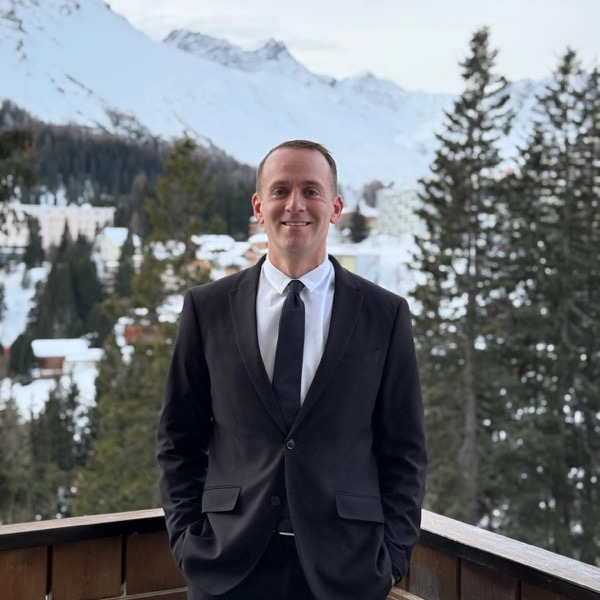
Hey, it's Sam Cook, the founder and co-host of the Ukraine Military History Podcast. Welcome to another episode of the Ukraine Military History Podcast. This is an episode with Rob and a commander in the International Legion of GUR Defense Intelligence Agency of Ukraine. This episode is where Rob meets a, a frontline commander that's willing to come talk and share his perspective on the war. He obviously has asked for security reasons, for himself and his family and
His friends to be blurred out for this and his voice altered. But still, I think it gives you a great insight into the current situation on the frontlines from an elite Special Operations operator who has an extensive background for several years in SBU Alpha then moved over to International Legion GUR, where they talk about the differences between both organizations. Also, the current frontline situation as it stands in the sector where they're fighting down on the Zaporizhzhia front.
So I hope you enjoy this, part of our current war, discussion, where we invite our favorite guests, our commanders frontline operators, special forces operators, anyone who'd like to share their perspective through their own voice, their own experiences, 'cause that's really how history is written. The first draft of history is, is written through firsthand experience, documenting that as we do it here on the podcast, speaking to Ukraine's elite fighters
On the frontline. So enjoy this episode and look forward to seeing your comments after the episode. Before we start this episode, I just wanted to make a quick word to mention our sponsors. I'm gonna give you a brief introduction for our sponsors, and then at the end of the show, we'll do a longer discussion about each sponsor and what we're offering so that you can get right into the content. So this podcast is funded by the Borderlands Foundation.
The Borderlands Foundation is a foundation that I established to make sure Ukraine's heroes are never forgotten. And we have two main centers that are, in effect, the sponsor for this podcast. The first center is the Ukraine Military History Institute. It's an -speaking and speaking, center, which is... Our mission is to translate Ukraine's history from into for the world to consume and learn from. Ukraine has a lot of allies who've supported it. Almost all of them, the common language
Of military officers, military historians, and professionals is So the Ukraine Military History Institute created and sponsors this. And I'll tell you all about our programs and how you can support the institute at the end of the episode. The second sponsor for this podcast is the Ukraine Center for Traumatic Stress. This is also part of the Borderlands Foundation. It's a center dedicated to research and raising awareness and helping to bring in to Ukraine cutting edge
Therapies, treatments protocols, and education related to post-traumatic stress disorder. The heroes of Ukraine that are fighting this war, whether they're Ukrainians or foreigners who've come in to fight side by side with Ukrainians, they're writing this history, which creates the stories, which creates a strong future country, and those memories have costs. So we're dedicated to helping advance the research, treatment, and and breakthrough, that all soldiers, veterans can have
Dealing with and overcoming post-traumatic stress disorder and mental health that arises from their service. And then finally, our last sponsor is the Borderlands Group. This is a for-profit company that donates the money to fund the Borderlands Foundation and all of our programs. I'm also the founder and president of that organization. And we do military advisory, advisory for, defense companies working inside Ukraine, and consulting and software development and technical work,
For both governments and military defense companies. So with that, that's our sponsors. At the end of the podcast, I'm gonna tell you a lot more about each sponsor if you're, if you're looking for ways that you can contribute to the Borderlands Foundation, our two centers, or if you'd like to work with myself, Rob, and other contributors for this podcast. I'll talk to you about how you can get in touch with us through the Borderlands Group for that.
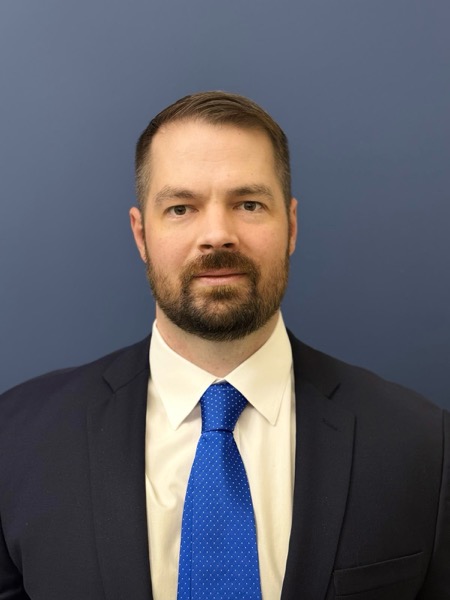
Hi, everyone. It's Rob Lee. Here's another installment of the Ukraine Military History Podcast. Today I'm joined by Mozart, call sign Mozart, who's a, a company commander in the International Legion. Maybe you could give us a little bit and tell us a little bit your backgrounds.
So, hi, everyone. About background my background is since, 2016. It start from police. Then it start from 2017. It's Counter Terrorist unit Alpha SBU. And then since 2024 I was transferred to International Legion of GUR.
So w- and right now, c- maybe explain what you're doing in, in GUR, in the International Legion.
Sure. In International Legion now, I have, commander of a separate special forces company, so it's elite unit of the legion. Our specialization is ambush, raids diversion, but in the same time we could do regular infantry work. So in fact, we could do anything.
Mm.
It depends from the mission, from the, from the mission.
What, what is the legion doing right now? Like what, what type of operations? What kind of role does it play?
Legion is important very important part of armed forces of GUR. Different operations. In effect we do that work when and where regular army need some help to defend, to attack maybe some special operations and something like this.
And then in, in particular your Special Forces company, what, what, what role does that play within the legion?
Intelligence. Intelligence and special operation on the front line and on the enemy territory.
And what role did drones play in, like, task organization or, or the, the role in the company itself?
What do you mean?
Like U- UAVs, UGVs.
Huge.
Yeah.
Huge. We have our own UAV pilots, teams, rec- raccoon troops, our, own fire support. But at the same time of course, a legion like a whole unit, help us if we need some. No, I mean, big wings for example, or I don't know, armored vehicle or medevac or some.
So y- most using FPVs, Mavics heavy bombers too, or-
Yeah, of course. Mavic, FPV big wings bombers like Vampire. No, Vampire in fact it's more for logistic.
Yeah.
Or ground drones and anything that, that we can use against our enemy. Plus our raccoon teams are using, small drones for intelligence, for example, like DJI Avata and-
Mm-hmm
Something like this. So we try to create and try to work as a most modern or m- most technical unit, not just like a regular infantry, as I said.
And, and you've been in the step that here is part of the front line for some time. Is that right?
Some times, yeah.
Mm-hmm. W- what's the situation there right now?
Situation is normal much better than it was a year ago- Mm or even half year ago. Really big number of the different units, but it's work like one mechanism and it's cool coordination. It's so hard but controlled situation.
What, what are the tactics look like down there?
It's like rats tactics.
Mm.
Like Vietnam, I don't know. Because this... In fact, rats rats and tactics is do or die. They have no, almost no evacuation. They send they, their people in one way, or you will do or you will die.
Mm-hmm.
And it what talking about even Russians that we captured. Mm. We, mm, they said, "We have no choice, or we do or we die."
Is it mostly, is it, is it mostly VDV units or what, which units are fighting right now?
Different, different VDV prisoners.
Mm.
Or the Wagner.
Mm-hmm.
Or Wagner.
Yeah, former private.
Yeah. Or different, but in the most it's VDV.
Okay.
It's air- airborne.
Is, is there a q- like a, a large quality difference between VDV and regular units at this point?
Mm, you know, their quality is becomes the same behind FPV-
Mm-hmm.
Yeah or our guys.
Mm-hmm.
No, yeah they really a serious, opponent but when, when you created a big kill zone-
Yeah
It's doesn't matter.
Mm-hmm.
In effect and VDV and Wagner and everybody else, they use the same tactic. Move as far as you could- Mm-hmm then shoot, and take cover, and just tell us where, where the soldier move, when transport move.
Mm-hmm.
So and we will attack him, attack them by drones or by artillery or something.
So it's, it's still infiltration is the main tactic plus trying to locate things for UAVs?
Yeah, yeah.
Mm-hmm.
Yeah. And one more tactic, it's terror in effect, terror of civilian.
Mm.
Because now they start to attack, to attack civilian transport in Zaporizhzhia.
Mm.
Three or four days, day by day. Trolley bus, bus-
Mm
Just civilian car.
With Molniya or FPV?
FPV.
Yeah.
No, Molniya too, but now it become to FPV.
Mm-hmm.
I think it's one, two teams, but you know what effect it-
Right
Does on civilian people.
Mm-hmm. What about s- VDV units, like how, how is their UAV component? Is it stronger than regular brigades, or is it mostly the same?
In them?
Yeah.
Depends from the team.
Mm-hmm.
It's not we're not talking about the quality of whole units because we're talking about big number of teams, really big number of teams because on one guy, for example, and not us other unit of armed forces, it could be nine, 10, 12 FPV till they kill-
Mm
Or think they kill.
And the Russians have, like they have big bunkers down there, right? Pretty- Yeah strong fortifications. So that, you know, what I was told is that the, you know, compared to the parts of the front line, the, the UAV teams are often in these really well-covered positions, and it's kinda harder to get to them sometimes.
It's depend from the teams because they have interesting tactic.
Mm.
New pilots or maybe some, I don't know. No. Pilots not high quality they come in closer to front line.
Mm.
On, and they in effect not good, take cover. More effective groups and more maybe long service group they, try to back from the front line.
Mm-hmm.
But they work on the biggest distance.
Like Rubicon or-
Yeah, something like this.
Okay. Heard there's a new Aeroflot down there too.
No.
Okay. What, what's your view of, of Spetsnaz and, and their component? Like what role they play?
In effect, in area like Zaporizhzhia when you have big landscapes-
Mm
It's hard to say. If we talking about more forests-
Mm
Like, I don't know, Sumy, maybe Donbas, Chernihiv and, and et cetera they good.
Mm.
They good. They really high quality soldiers. And you know, it's serious opponents.
Mm. Is... What, what are the... How has the fighting kind of changed this year maybe compared to last year? Fighting? Yeah. The character of the fighting. I don't know, drones, the, the kill zone, any of the kind of factors. Has it, has it changed much or is it, is it kind of mostly the same?
Change, yes. It's always change.
Mm.
War is changing too fast.
Mm.
But in effect in effect, it's changing the way of using, They start almo- they almost don't use, armor vehicle.
Mm.
They almost don't use big troops-
Mm
On because it's hard to hit or because it's easy to hit.
Right.
Or they try to just one, two, three guys like rats-
Mm
Between our position, infiltrating as deep as they can. So if year ago or two years ago the main philosophy was just attack our position and try to kill as much as they can. So now they try just just infiltrate between our position as deep as they, as they can. But from the other side, a lot of, of them, when they infiltrating, they already go to surrender to our guys because they, you know, really they, also tired. They want to eat. They could stay on the
Position without water and food 10 days, 12 days, 20 days. That's why it's have plus and minus.
Mm-hmm. What percentage of casualties do you think are caused by drones?
I think it's minimum 80%.
Mm.
Even 90.
On both, both sides?
Yes.
Yeah.
Yes. It's really not often a straight fight. Even artillery I think 80% minimum.
What about the, the role of glide bombs? Is that a big issue in Svatove, KABs?
KABs, they most use on, Zaporizhzhia-
Mm
Or the nearest villages like Komyshuvakha and-
Yeah
The main the main thing is, terror.
Mm.
Because you know, really KAB is not so effective so effective because you need to exactly know p- coordinates of position. Because for example, when I was in the field one time we have eight KABs around our position.
Mm.
Not so close but-
Mm
In effect. And no damage.
Mm.
So it's from time, from time to time.
Okay. You said artillery not playing much of a role right now?
Hmm?
Artillery. Is it, is it playing much of a role on either side?
Yeah. Yeah.
Still a problem?
Yeah, still problem. It's a big problem because Russians have a lot of art- artillery, different artillery system and they could, It's not problem for them to change the system. So if we destroy-
Mm
Some mortar or some- something else-
Mm
I think one, two days maximum and they change it.
And so fighting in Svatove, it's urban battle. How is it different fighting urban terrain than maybe somewhere else?
Hmm. It's, of course, it's different. It's different because you almost, no have high quality shelter.
Mm.
And you even cannot dig in-
Mm
This shelter. And the biggest problem, like, urban fight that as I said after infiltrating you even can- don't understood who in the nearest building.
Mm.
So it's a common situation that, our... No, not our guys from other unit two, three days defend position in one house. In the nearest house is enemy.
Mm. And so how many... I mean, is, is there actually small arms engagements happening? Is it, is it common or is it not very common?
One more time.
Like, like small arms engagements between infantry on both sides.
No, it's common.
Mm.
Common things.
In urban environment, it, are, is pretty much everyone based in basements at all times at the main position, or are people at different levels?
Depend depend from type of building, but as a rule it's basement.
Mm.
Basement. But if we talking about big building big floor building so we shoot and we must from time to time make a position on the floor-
Mm
To look around what's happening.
Are snipers playing much a role?
No. No, not at all. Mm-mm.
Okay.
Not at all. I think if we if we're talking about 100% effective sniper is now I think 10%-
Okay
Effective.
Mm.
It's a very, very specific-
Mm
Mission.
To get to the frontline now, zero line, how far are you guys walking to get there?
My unit?
Mm-hmm.
It depend from the, from the, from mission, but in effect we're training to 10, 20, 30 kilometers.
Mm.
It's, it's our specialty and that's why we're training for it and do... In effect, maximum it was nine, no, almost 10 kilometers.
Okay. Were you going past the frontline at that point or just staying at the frontline?
And staying and passing.
Okay. And then when you're doing raids, what, what are the targets typically?
Typically it's it's soldiers.
Okay.
Soldiers' position because because the main thing is cross the frontline and do it highly and make some fear to the enemy.
Mm.
So that's we're doing.
Okay. How has the fighting changed with the weather? So it's warmer now, summer months, compared to, say, the wintertime. Is there, is there much kinda change in how the fighting occurs or is it mostly the same?
Mm, I don't think the weather... No, I mean the weather of the year is so important. It's more important type of the weather. Rain, smoky-
Mm
Snow. The main thing's to do our operation when drone activity is minimum.
Mm.
Because it's really the huge problem, and the most main problem, I think.
Do counter-thermal suits work or is that not really working that effective?
What?
The counter-thermal suits which tries to prevent thermal recognition.
It depend from the factory because-
Okay
Common situation is that a lot of private factory just wanna make money and sell low quality.
Mm-hmm.
So when it's good, it's work.
Okay. Do the Russians use it very often?
Yes.
Okay.
Yes, of course.
Is, is, is it effective on their side, though?
It's depend of, on our UAV team how high quality they work.
Mm-hmm.
But it's work.
Okay.
It's work.
When you talk about the, your, your unit itself, like the Legion, obviously it's, it's, it's a lot of foreigners. Where are these, where do you guys come, what countries are they coming from? And then what's the kind of rough composition of your unit?
From different, from almost all over the world, but if we're talking about exactly my unit, so we have-
Mm
From Norway USA Dutch Canada by the way Belarus-
Mm
Belarus,
Mm
Even. What else? Was nine Nigerian guys.
Okay.
Also. They already transferred in different unit, but- they were. What else? Italian guy.
Mm.
Young Italian guy.
Mm.
And of course Ukrainians.
Mm-hmm. What, what percentage are Ukrainians in Legion would you say?
Hard to say. It depend on the exactly unit of, or squadron. But I think we can talk about 40, 50%.
That high. Okay.
Yeah.
Okay, understand. What's the training like for your, your guys? How much training do they have to... Like, so if someone's gonna join your unit, how much training do they do up ahead of time before they'd actually be deployed?
You see we not so, How to explain? For me, basically it doesn't matter, how many you push-ups or sit-ups, on the start-
Yeah
When you come. But my requirement's that after some period-
Mm-hmm
You must become better. So if you, you even you could even don't push up at all.
Mm.
But if after two, three months you still don't push up, it's, it problem.
Mm.
But the main philosophy is use, people in that way where they will be much and more effective. For example, if we're talking about good, UAV technique.
Mm.
As a rule it's some IT-
Yeah
Who at all couldn't do sport- but he good technique.
Mm.
And that's why it's important for me, a specialist.
Do most of these guys have a military background or are these, some of these guys civilians who just came over?
Now or our requirement?
Yeah, either one.
Different. Different. As I said, for me it doesn't matter-
Mm
If people have some background or not. The main thing is their motivation.
Mm-hmm.
If they really good, have good motivation, really motivation, it's enough for me. And they don't afraid to work. Work, work, work, and study something new.
Okay. And so i- if guys wanna come over, they can do different specialties, right? So it's not all infantry. It could be UAV operators, it could be-
It's not a problem.
Okay.
But if at first time a man said or woman said, "I want to be a UAV pilot"-
Mm-hmm
For example they came, he came, and on the second day he said, "No, I want to be a sniper."
Right.
No, this doesn't work.
Okay.
You work on that special this position that you want sometime.
Mm-hmm.
And if really you want to change, it's not a problem.
Okay. Let me talk a little about your background. So you, when you were in Alpha, what, what did you do earlier in the war before you came to Hur?
I was served, as I said, in Alpha. My main specialty was combat medic.
Mm-hmm.
So the main role in the group. And it was different counterterrorist and different counter criminal operation. And it was OS. It was after ATO.
Mm-hmm.
You know? So it's a deployment on Donbas. It it was almost all Luhansk Oblast.
Mm-hmm.
Donetsk Oblast. Different mission. A lot of them I could not speak about.
Okay.
So but it's really Alpha is, the... I think it's best unit about studying, about military studying-
Mm-hmm
And special forces studying, so it's great school.
And so you were in Kyiv at the beginning of the war or beginning-
Yep
Of... So what, let's say before the invasion, did you think there was gonna be an invasion?
Mm. Yeah.
Okay. And then what did you do during the Battle of Kyiv? 'Cause I mean, again, I think there's... It's a famous battle. It's, like, one of the most important battles of, like, modern history, and there's still a lot not known about the role of different elements. Obviously SBU Alphas is more secretive, so there's a lot of things that they don't wanna talk about. But what can you say about what you, what role you played during that battle? Maybe what Alpha, what they kinda did
To, to prevent the invasion or stop the invasion.
It was funny, and because invasion starts 24th of February. 23, 23rd of February I was on a duty. I was-
On a what, what?
On a duty.
Okay.
On combat duty.
Mm-hmm.
And my duties my duty started 23, as I said. When I was coming for work I'm, was walking through a Roshen shop.
Mm-hmm.
And I thought, mm, that I want some cookies because I thought that if, if tomorrow war and I want cookies-
Yeah
And tomorrow starts war.
Yeah.
What we did at first we... Oh, it was, it was really hard times.
Mm.
Because no- nobody knows what's happen, what's happening, what will happens next. So at first I solved that my family was evacuated-
Mm-hmm
To the west of Ukraine. Then we, mm, really waiting, was waiting when phone connection's gone, when I don't know, when everything gone. But not, but not. And then start start to move in Kyiv and do captured, agents, agents.
Mm-hmm.
Or start to move from, from building to building looking for them and captured them. One of the... Not one of the a few operations in Kyiv Oblast. Pretty interesting. What else? A lot of things. A lot of things, but not, can- not talking about everything.
So part of it... So Alpha was in charge of personal security for leadership. Those, those, that's one of the responsibilities.
Yeah.
Obviously you said y- you rolled up a lot of the agents the Russians had, had used here. They were, they were planning once they occupied Kyiv that these people would, like, help, you know, run the kind of occupied government essentially. And third, you also had teams that were, that were attacking the forces themselves, right? Doing, doing kind of ambushes, raids.
Yep.
Up things like Irpin and Moschun and other of those directions.
Yeah.
Was this kind of the golden age for special operations at that time, the beginning of the war when they came in? 'Cause it, it looked like this from my perspective, that, you know, you had a large conventional force move in not really coordinating very well. You had a lot of targets, and you had great terrain to use for special operations to kind of do raids, ambushes, all these kind of things.
Yes.
And it's before FPVs kind of made everything worse, and so you could kind of maneuver still.
Yeah.
I mean, was, was it, was this kind of just like the, the peak of, like, you know, special operations-
Yeah
In the modern era?
In general basically it's really, of course, it's hard times and it's really scary times. But yes, for special operation forces, it's gold time-
Mm-hmm
To work.
And then after Battle of Kyiv, where else were you were, in the war?
Next it was Kherson Oblast.
Mm-hmm.
When - forces start to attack Russians and move to Kherson. It was it was attack and clear cities and the villages in Kherson Oblast. Personally me wasn't in Kherson exactly-
Mm-hmm
Because we have rotation at the time. But, mm, we really, mm, from frontline was near a city, Arch- not, Apostolovo. Mm-hmm. And then from village to village we start moving deeper and deeper. Oh, of course, with armed forces of Ukraine.
Mm-hmm. What, what kind of role are you playing then? I mean, were you ahead of the conventional forces? Were you clearing things behind the conventional forces?
With them.
Okay.
With them as we said, it was go time for special operation, so, we did a mu- much of work because for example with one of tank battalion we did, we were flying on the Mavic to correct their shooting. Then we was like a recon group. Then with some other units, we was cleared Arkhanhel'ske, Vysokopilla.
Okay.
So a lot of different operations.
And, and what... How quickly did you adopt UAVs at this point? Is it just Mavics with just for like reconnaissance, or were you kind of moving more aggressively into UAVs at this point in Alpha?
Alpha is I think it's one of the most modern and technological unit now.
Mm-hmm.
So it's really fast to improve. They really fast im- improve themselves a- and exactly in UAV.
Mm-hmm.
So first Mavic, then first FPV, one of the first FPV. Then bombers and many, many other things. Really it's very costly but very effective.
How, how early did you start using the FPVs?
In Alpha?
Mm-hmm.
Personally me or-
Or, or just you or, or the rest of the unit?
It's huge, it was huge role of FPV, and it's very fast to become almost, mm, almost everybody FPV operator.
Mm-hmm.
And it's really a huge number of different courses, different, I don't know, mm, every place that in what we can starting, we starting.
Mm-hmm. And you were in Bakhmut later, right?
Yeah.
What were you doing in Bakhmut?
Bakhmut exactly my unit was a mortar team.
Mm-hmm.
But in the same time it also Mavic, FPV, and-
Mm
Recons and many, many others.
And then what about, what about after Bakhmut?
After Bakhmut was hospital.
Okay.
It was my first injury.
Mm-hmm.
The, it's also was one of the operation when, by the way, each team-
Mm-hmm
Guys from each team do some work. They were have some trouble. And almost all our unit began to get out then-
Mm-hmm
From this front door.
So I talked to guys from SSO who were snipers in Bakhmut, and they kind of said this was the, the golden age of sniping basically dur- during that battle.
Yeah.
Before, yeah, before, before UAVs kind of made sniping difficult you had a obviously heavy infantry force on the side, and you had, like, pretty good terrain. You had tall buildings, other things to use this way. Was that, was that played... Was Alpha doing a, a kind of making that a main priority during that battle too?
Yes. No.
Okay.
In the same time.
Okay.
It's really Bakhmut, it was a place that where you can do almost every work you want.
Mm-hmm.
Sniper, FPV, mortar, anything you want.
Mm-hmm.
And it's really was a huge mix of different units. But as you said about, mm, bad communication in the start-
Mm
I think we could talk that, in armed forces from time to time we have the same problems.
Yeah. Yeah, and I, I remember it being a big issue earlier in the war. So, so you were mortar team then. You're still using mortars now though, right? But I, I know some units have, have kind of not using mortars very heavily 'cause the kill zone has expanded so much.
Yeah.
And obviously mortars have such, you know, so much shorter range. H- how has the employment kind of maybe changed with mortars?
Now you mean?
Yeah. Mm-hmm.
Absolutely. No, mortar, it's sound like sniper. No, really because a big kill zone, especially on the big landscapes like in Zaporizhzhia, so you almost can't use snipers, mortars, and some Petruk, for example.
Right.
It's also unuseful-
Mm
Things. It's better to make one FPV teams-
Yeah
Instead of Petruk team.
Mm-hmm. What do you think what does, what does the future of special operations look like do you think? I know there's a debate in NATO militaries what lesson should, you know, NATO soft kind of learn from this war. Some are going into, you know, obviously going into drones. FPVs is part of it, but you know, what, what kind of I guess lessons have you drawn that you think NATO soft should learn from this war?
I think future of special operation forces it's right philosophy of this unit. It should be technological unit
Mm-hmm
It should be 25 maximum 30% of infantry
Mm-hmm
Not more. It's a really huge UAV component
Mm-hmm
Different UAV component because as I said, I think future of special operation is, complex because, and complex and, ability to adaptive
Yeah
Because situation every sin- cha- every time changing, changing fast. Oh, and really right commanders
Mm-hmm
When a commander want to save his personal
Mm-hmm
His guys, then it future, I think.
Okay. All right. Well, great. Thanks so much for, for talking to me. And we'll include a link if you are interested in joining Legion or wanna donate to the International Legion. We'll have a link below in the, in the comments. Thanks.
Thank you.
All right.
Hi, it's Sam Cooke, the founder and co-host of the Ukraine Military History Podcast, and thank you for listening to another episode of our podcast, sharing the stories of Ukraine's heroes for the world to make sure that we're able to fight and win this war and the future wars against Russia and those, who are fighting against freedom. So for all of you who are listening to this podcast, if you're watching it online on YouTube, please know that you can also subscribe to our podcast
On podcast apps so that you can be notified of future episodes as they're released right there on your phone. For those of you who are listening to this on your podcast app, please know that you can also watch a full HD video version of this podcast with our guest and see the moments that you missed see the body language, understand the emotions a- as you, consume this content. 'Cause we understand that for those of you who really wanna understand what's happening,
The best way to, to do that is to watch the videos as people share their stories from this war and, and tap into the raw emotions that you heard as you're listening to this podcast. For those of you who'd like to get more, to learn more about the Ukraine Military History Institute please go to our website, www.ukrainemilitaryhistory.org, where you can see all of our episodes. You can download show notes to our episode. Anything that we mention in this episode
Or any other episode, we're gonna link to it in those show notes. There's summaries of the podcast. There's complete PDF transcripts of every podcast that you can download. You can share these pages with your friends so that they can also, see all of the great resources on the website. We're also publishing papers and military history publications, translations, things that we mention in the podcast you will be able to download on the website. Thanks again for listening to the Ukraine
Military History Podcast. This is a production of the Ukraine Military History Institute by the Borderlands Foundation, where we're making sure that Ukraine's heroes are never forgotten. You can also go to our foundation website, borderlands-foundation.org, where you can learn all about the Ukraine Military History Institute, the Ukraine Center for Traumatic Stress, which helps veterans recover from the psychological impact of war, and then finally, the Ukraine
Freedom Summit, which is an annual event that we host to help Ukraine's veterans, Ukraine's heroes share their stories with the world and let them connect with people around the world who are supporting Ukraine. Thanks again for listening, and we'll see you on the next episode. Finally, if you'd like to support our podcast, please share this with your friends on social media. Please subscribe to us on all your, all of your social media platforms. Comment on the episodes that you love,
And also leave us a review on podcast episodes so that other people can find our show. Thanks again for listening to and supporting the Ukraine Military History Podcast, where we make sure that Ukraine's heroes are never forgotten. So thank you for listening to this episode of the Ukraine Military History Podcast. I promised you at the beginning that I'd tell you more about our sponsors if you'd like to find a way to support the Ukraine Military History Podcast,
The Borderlands Foundation more broadly, or if you'd like to work with myself and the contributors, the editors, and the guests, that come on this show. So this podcast is produced by the Borderlands Foundation. The Borderlands Foundation has two main initiatives. Our mission at the Borderlands Foundation it was founded right after the war started in 2022, is to make sure that Ukraine's heroes are never forgotten. And there's two things that I'm passionate
About helping Ukraine do. Number one is build a strong future for Ukraine, for my family that I'm raising here in Ukraine through national, military history study and education. I believe that nations, great nations are founded and sustained and grow in strength based on the stories that those nations believe together about their history. And Ukraine has had a very complicated history. It's a very old country. A lot of people don't understand that
Ukraine's 500 years older than actually Russia, a- as Ukraine was around before Russia. Ukraine was founded by Vikings that moved to this part of the world in the eighth and ninth century and were traders and, and became you know, rulers of the local Slavic people. So Ukraine, Kyivan Rus, was w- was an ancient and the most powerful empire in Europe. And Ukraine's history is very controversial. Through the years, Russia has appropriated it, stolen it, called it their own, and
Then tried to change history to make it their own, this great, rich heritage that Ukraine has. So our mission at the Ukraine Military History Institute is go back through history and reclaim Ukraine's great military history tradition because Ukraine's military history tradition encompasses, almost all the great military traditions in the world. It started out interfacing and competing with the Vikings as well as Constantinople, absorbed those traditions over the years.
It became part of the military history tradition, the great Polish-Lithuanian Commonwealth, and then the Ottoman-Mongol kind of Crimean Tartar heritage of Genghis Khan's great military tradition. All fused, competed, and created this unique military history tradition inside Ukraine, which I call the Cossack military history tradition, which takes from Western military history, the German, American mission command, NATO mission command school as well as
The good things, hopefully, and leaves the bad from the school, deep battle, and a lot of the positive things that have come out of the military history tradition. And our mission is to help with the world's best military history center studying the current war, going all the way back into history throughout Ukraine's history starting battles from World War II that were fought in Ukraine you know, World War I, the, the the first independence period from 1917 through the Civil
War in 1921, back to the, the Cossack period. All the way back Ukraine has a great and unique style of fighting and tradition of fighting. The first written constitution was written by Cossack class. The warrior class wrote down the first declaration of rights in history, in modern history, which founded the Enlightenment, led to the American declaration of Bill of Rights, the Polish Constitution, and a number of other declarations of rights and constitution
Since then, were all inspired first by Ukraine's declaration of, of the rights with Pep Orlok after the defeat at Poltava at the hands of Peter the Great. So understanding Ukraine's military history tradition is a passion of ours. And every author who comes on this, episode who publishes a written work, we're actually paying those authors. So if you wanna donate to support the authors, you can donate to get access to anything that's been published
In the Ukraine Military History membership site, which we're gonna be releasing soon, where people who write about the current war or things from the past in military history or, or some military historical case study that can help Ukraine think about how to fight and win and innovate in the current war, all those authors are getting paid by the center. I wanna encourage great scholarship by, by paying Ukrainians to write their own history, and other people who wanna contribute
To pay them to build this body of work and knowledge at the Ukraine Military History Institute. So when you donate to support this podcast, we have production costs. It helps us pay the author that we come on and interview about what they've written or what they've done and then also just pays for all the c- production costs, the social media, the distribution, and everything that you enjoy about this podcast. So that's the first way you can support the center.
The second big way you can support the center is we have a, and are, and are building a Heroes of Ukraine tour which is gonna be a, a custom program that we're developing, which takes people who wanna come in and see the battlefields of Ukraine from the current war that have been liberated. We can take you to different battlefield sites. The Battle of Kiev which we've studied very well and have a lot of material who, people who've studied that and can show that to you.
Or if you wanna go out to other sites battles that have, i- in territory that's been liberated in Kherson or, or Zaporizhzhia or other places, out in Sumy or, or, Kharkiv Province we can take you around to those sites. This is something we're developing. We wanna launch this if and when, the, the full-scale fighting with Russia pauses. We, we believe this could be a, a much bigger tour that people can come and come on a, a tour just buying individual seats and over a
Couple weeks meet people from all over the world who wanna see Ukraine. But before we do that public version of the tour where anyone can book any number of seats at scheduled times, if any of you would like to have a tour of the battlefields of Ukraine that have already been liberated and are safe we don't do war tourism to active parts of the fighting, but we do do tours, historical staff ride battlefield tours for military professionals, government
Officials, and/or business leaders that would like to understand what has happened here. You can contact us about the Heroes of Ukraine tour. So that's the Ukraine Military History Institute, which pays for and produces this podcast. The next sponsor I'd like to discuss is the Ukraine Center for Traumatic Stress. This is a center that is near and dear to my heart because of my past service in, in combat. As a soldier, my study of history and the history of psychological trauma
That comes from serving in combat, personal experience of my own, overcoming my own struggles with it is, is a center dedicated to helping advance the research conversation and funding of breakthrough technologies and treatments for post-traumatic stress disorder which af- affects a number of soldiers who've served in Ukraine. And, and we wanna make sure that they recover psychologically to become productive, vibrant leaders in the, in the future of Ukraine.
This is headed by Major General Vladyslav Kluchkov, retired, the former commander, the first commander of the Moral Psychological Support Forces of Ukraine under the commander-in-chief, President Volodymyr Zelensky. It was a new position that he created right before the full-scale invasion. And General Kluchkov has written his PhD on military psychology of, of a, of a soldier and is passionate about, advancing the, the, the study and the treatment of, of this disorder for veterans.
This is a podcast that we're gonna be releasing very soon in translated into for those who are not that wanna listen in on the conversation and comment on it on our social media. But the interviews will be conducted in to advance and start the conversation for veterans, mental health professionals, and government officials who are working on this problem, which we believe is, is critical, to, to solve for the future of Ukraine. So if you'd like to donate to
Support that podcast, to help us produce and start that conversation, or if you'd like to inquire about donating to supporting specific veterans going through different treatments, workshops for treatment of PTSD, you're welcome to reach out to us. The, the center also has a rehabilitation through golf program where we pay for veterans to play golf and go play in our annual Heroes of Ukraine Freedom Summit golf tournament which will be held next year in Dallas in
The United States in March. And this is a very important program that you can also take a look at sponsoring veterans in their journey to mental health recovery. So that's the Ukraine Center for Traumatic Stress. And then finally for those of you who watch this podcast, that, that you see our co-hosts, some of the guests that come on there all of our podcasts are filmed in Ukraine. The reason we do this is I, I believe in talking to Ukrainians and people who will actually come to
Ukraine that wanna speak about military history, analysis of the current war defense industry issues all the things that we need to learn in Ukraine and our allies in NATO who've supported Ukraine to fight and win the next war against our adversaries. Russia, China, Iran, all of the people that support Vladimir Putin are learning from this war. The lessons that Russia's learning, we need to make sure that we learn the, the war, the lessons from the war
That Ukrainians are learning better and implement those across the force for our partner forces, Americans, British, all the other European NATO forces partners out east Japan, South Korea, Australia. All the c- all the countries that are supporting Ukraine, we wanna make sure that we create a community that, that disseminates those lessons. And we get contacted by different groups, sometimes governments, foreign militaries that would like advisory services to help them learn and
Implement the lessons of this war for their armed forces. Defense companies would reach out and would like to get help developing, testing their product, selling their product inside Ukraine that, that may be helpful on the battlefield. That's what the Borderlands Group does. We advise defense tech companies. We even do forward support engineering for defense tech companies, software development, hardware you know, hiring and staffing, a forward deployed engineering shop for Western defense companies.
So all those services, if you're looking for advisory services, custom analytical studies by Rob Lee and his team, defense advisory services for defense companies or foreign militaries, we can put together a package for you, give you a proposal, and, and help you with that. So to get in touch with us, just go to the website for theborderlandsgroup.com. Fill out our Contact Us form. We'll evaluate your request and get back to you in the appropriate secure
Communication channel if that's what you'd like to do. So thank you for watching the sponsor reads here. It's important to, to me that we provide value to you in every podcast episode, and these are the ways that you can support us so we can continue to afford to produce and expand and increase the frequency of our content production for the benefit of Ukraine and its allies fighting this war, winning this war, and the next.
Get an email when a new episode drops. No spam — unsubscribe anytime.
 Ukraine Military History Institute