Andriy Zagorodnyuk was Ukraine's Minister of Defence from 2019 to 2020. He has also read the Crimean War for years as a hobby, in Soviet sources and Western ones both. His argument: Russia does not lose by being beaten. It loses by running out of ways to win.
“Literally, from ideological perspective, Putin essentially is reincarnation of Nicholas I.”
“The thing is that siege was never complete. So Sevastopol was never isolated, ever.”
“At the end of the war the supplies were traveling faster from London than from mainland Russia to Crimea.”
“There was no attrition. There was no annihilation. Basically, Russia was exhausting its options. So the loss came day by day, by losing optionality to win.”
“They're going to lose because they will run out of options to win.”
“When they're incapable to achieve, they immediately start to lie. But first of all, they're incapable to achieve.”
“So they treat their people today as precise, affordable mass.”
“We need to create situation that not stopping the war would be worse than stopping it.”
“Russia's lost more times than it's won.”
“This legend of invincibility is just a tale. It's not reality.”
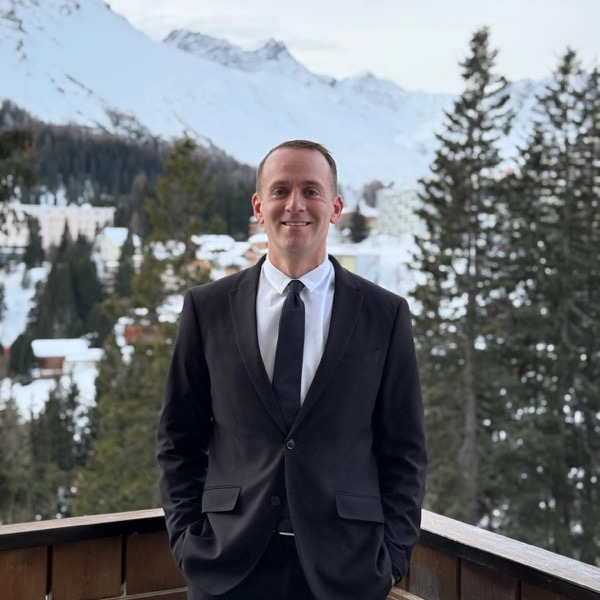
In the winter of 1855, the most powerful man in Russia put on a summer uniform, walked out into St. Petersburg winter, and inspected parades until it killed him. Nicholas I had started a war he was certain he could not lose. A million and a half soldiers mobilized, the glory of beating Napoleon behind his country, God on his side, and he lost it in Ukraine. No decisive battle, no enemy at the gates of Moscow, half a million men gone, and an empire that simply ran out of ways to win. That was the Crimean War, and it
is the closest thing history has to a map of how this war ends. My guest is Andriy Zagorodnyuk, President Zelensky and Ukraine's former minister of defense from 2019 to 2020, the founder of the Centre for Defence Strategies, and one of the people behind the middle strike campaign that is stretching this war's battlefield deep into Russia. He has read this war from both sides of the library, the Soviet school and the Western one, and what he found in it should be required reading
in every Allied capital because the parallels are not decoration. The Siege of Sevastopol was actually never a complete siege. The northern route into it stayed open the entire time. The first war correspondent in history was toppling a British government by telegraph while the tsar's own news took weeks to reach St. Petersburg. By the end, British supplies reached Crimea faster from London than supplies did from Moscow in Russia. And Russia, unbeaten, uninvaded, millions still under
arms, signed a treaty that scrapped its Black Sea fleet because the coalition refused to leave a gray zone, and the alternative was worse than losing. Welcome to the Ukraine Military History Podcast. I'm Sam Cook. I'm a West Point graduate, Army veteran, and later an assistant professor of history at West Point, where I studied European and German military history and taught history. I founded the Borderlands Foundation. I came to Kyiv in 2018, and I've defended my family here through this
war by supporting the war effort. This show is for the people who need to know: military professionals, government officials, defense tech executives and founders, and the investors backing them, everyone working to win this war and secure the Western security architecture, and Ukraine's future most importantly, of course. Ukraine is the most experienced army in the world in modern war, and the lessons are being written right now under fire. We bring them straight to you from
the people writing history now, and those lessons run deeper than this war. For 3,000 years, the great armies of history have marched through this land. Scythians, Greeks, Romans, Persians, Slavs, Mongols, the armies of the sultans, and the armies of the West. War runs through Ukraine. We're building the world's best military history center on the ground where most of it has happened. One word from our sponsors before the show. The full story on them is at the end. This podcast is made possible by the
Borderlands Foundation with its two centers. The Ukraine Military History Institute preserves and translates the lessons of Ukraine's wars. This show is its work. The Ukraine Center for Traumatic Stress heals the men who have fought them, heals the men and women who have fought them. And in March of 2027, next year, both come together in Dallas, the 15th through the 18th of March, the Ukraine Freedom Summit, in cooperation with the George W. Bush Institute, hosted at SMU's Cox School of Business.
The people you hear on this show in one room. On the golf course, a team of wounded combat veterans brought over by the center. $5,000 puts one of them on the first tee. The links to donate to this are below. And if you build defense technology, my free talk on why war matters and why Ukraine matters was made for you. That link is below the show on this page. Stay for Putin's favorite tsar, the one the Soviets despised and the Kremlin has rehabilitated, and what his ending says about Putin.
For why Crimea has always been collapses on contact with an 1850s print of Simferopol minarets and camels. For the table in London where Russia signed away its fleet, my guest has stood next to it. And stay to the end for the sentence that reframes the whole war. Russia does not lose by being beaten. Russia loses by running out of ways to win. And when the conversation ends, give me two more minutes for the reads at the end. That is where you find out how you can help us and how we can help you.
Andriy Zagorodnyuk, recorded in Kyiv. Let's get into it. Welcome to another episode of the Ukraine Military History Podcast. So welcome, Andriy-
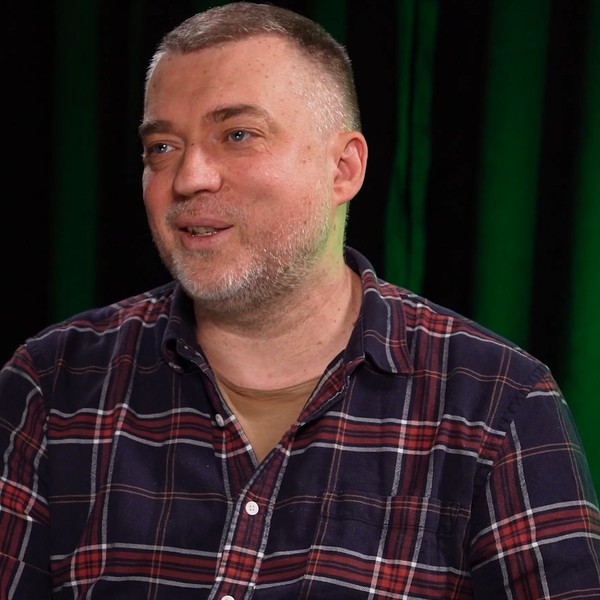
Thank you
to the Ukraine Military History Podcast. It's great to have you on here. I know a lot of our listeners definitely know of your work, but for those that don't just give me a quick background introduction on yourself
and- I'm currently engaged in some innovative unmanned systems. Also I'm running a think tank called Centre for Defence Strategies. We work on operational concepts and operational research, strategic research. I was doing this since 2020. Before that, I was a minister of defense with first Zelensky government, Honcharuk cabinet. Before that, I was running a reforms project office for minister of defense for a few years practically since 2015. Before that, I was volunteer when the war started in 2014.
My background is industrial, also like res- lieutenant reserve. But also the I engage now with several think tanks abroad such as some distinguished fellow in Atlantic Council a non-resident fellow in Carnegie Endowment for International Peace. Also a member of some boards and advisory councils in Center for European Policy Analysis International Centre for Defence and Security in Tallinn, ICDS and a few others. So basically quite a lot of analytical work over the last time, but now more on operational and
even sometimes tactical level. Working with some very interesting systems which I hope would be making change soon.
Mm-hmm. And one of the things I'm gonna tease out a future episode of this podcast we wanna do with you, is you've been very instrumental in this whole concept of middle strike and lengthening the engagement depth on the battlefield. I know you've been instrumental. You've been quoted in a lot of articles. I tease that out because we're gonna actually keep this to the history- Right the hi- the, we've got a history episode today on the Crimean War, the lessons the Crimean War has for today's.
But definitely I know you've got some interesting work coming out in the near future about Well, give us a teaser for it so we have something to look forward to.
We, my team and I, we were working with the middle strike, with general operational depths idea. So we came up with a number of solutions. Some of them are used now. But I believe we still have more to do. So we still keep on working on new platforms, new systems new operating concepts. And I believe that you know, we haven't used up the opportunities which operational depths gives us, so I think that we have a lot of a lot of opportunities, a lot of chances there. And that's an extremely exciting area
because Ukraine is revolutionizing the warfare. You know, we do believe that we are in the times of the military technological revolution, also known as revolution in military affairs. So I think we 're passing through the new one. There's a lot of concept- like fundamental approaches and doctrines from NATO which we believe are, has to be revised because of that. And those changes they are absolutely relevant not just for Ukraine, but for the rest of the world. And we are on the far front of this
change, so yeah, that's a very From operational perspective, it's very interesting to look at that, but for victory perspective, it's could be critical and it could be decisive. So we work very hard.
And one of the things that we promised ourselves we were gonna discuss on this podcast was we're gonna go back, as is this podcast, is the Ukraine military history. Right. My theory for this whole center is that Ukraine, not just today's war, which everyone wants to study and learn the lessons for the future, but this war is a tradition that I think the world has overlooked, which is military history tradition, where all the great military traditions of the world history have all washed through Ukraine.
The Greeks, the Scythians, the Romans, everyone has come through here all the way through history. Genghis Khan, you name it. Western military tradition, of course, has washed through here. And we wanna go back to a very interesting period in European history on the Crimean War to discuss what we can learn from that war what clues we can get from the history of that war, thinking about the current war that we're in, the technological changes, the way wars end among great powers, and what's next
after this war as a result of what we've experienced in this war too.
Yeah. So I have to say I'm not a professional historian. Yeah. But I was studying this topic for myself as a hobby for years, many years. And this is so some people may ask, like, "Why do we need to know this now," right? So I mean, and it's definitely not a question for historians, 'cause historians are studying this anyway.
Mm-hmm.
This is for people who are studying this war, current war today. I mean, there's enormous amount of similarities, common topics, and analogies which we can draw from Crimean War to today. And it's just astounding how many of them there are, how relevant Crimean War is for today. And I'm, I'm, I'm sure that absolutely most of people, they don't, they don't understand that yet.
Mm-hmm.
And so maybe this is, this podcast will kind of put some perspective, because it's a, it's, it's it's not just about innovation, which is obviously is important, but innovation was always important, you know, for all wars. It's about understanding how Russians lose sometimes, how Russians are communicating their losses sometimes, how, what, how they treat you know, people, how they treat the, their own operations and so on. So I mean, there's the regime which currently is in Russia ideologically is exactly
the same regime as was during the Crimean War. And a lot of the consequences of Crimean War and a lot of consequences today in Russo-Ukrainian War are similar because of the nature of that regime. So of course, the regime back then, like Nicholas I, it wasn't that criminal. Mm-hmm. He wasn't doing these hor- awful war crimes and so on like Putin does. That's a big difference. But ideologically, his understanding of the world and himself, and basically the role of Russia as how he's, he's, he
has seen it is very similar. And so yeah, we could look at that and see where Putin is going partially, and also how he gonna lose.
Now, you say he isn't that criminal. I think a lot of people that you know, Poles and other people that were under occupation at that point, the Polish state was divided among the three great powers. Right. And there was the Warsaw Uprising, the Decembrist uprising. So you have someone who's been in power for almost 30 years, just like President Putin right now, increasingly autocratic regime that's- Right crushing dissent. And you have basically a society that's calcified and not
keeping up with other countries technologically, economically. So I see the parallels, but also he was quite brutal to a number of uprisings, which we're seeing in Putin's Putin's Russia continually emerging
Yeah. Clearly he wasn't even close to any freedom, any democracy, any sort of respect to other people's opinions. That's for sure. Similar like current dictator. But he also had this goal, you know. So he had his, he had his, this idea of him being a super important person for Russia as a kind of a historical importance. So he constantly had this idea that he was bringing glory to Russia
And to the faith
and to the faith. Yeah. So he had that triumvirate of the priorities like monarchy, orthodoxy, and nationality. But that's a tr- in translation. In there's a third word is narodnost. So it's like, I would say people-ness, you know. But he didn't consider people as the, as a value. He considered, like, people as a, as kind of a children to monarchs, you know. So basically he was saying that, "Yeah, we care about people. That's why we're so good because we are We're all after people. We're all about people."
But in truth it was nothing about people. It was about his ambitions. It was about his glorification of himself, of his court, you know, of his dynasty. And also he was thinking that expansion of Russia and every... Yeah, of course they considered the rest of the world being against Russia, very similar to what now. They considered that growing Russia is the, like a ultimate goal which has to be pursued. And interestingly, they constantly rationalized it through some high, very high philosophical and kind
of religious reasons. So for instance, the actual, the Crimean War, it started because he clearly was after Istanbul. He clearly was after Turkey. He wanted to take over the city. He wanted to take over the, you know, completely control Black Sea, and also had a exit to the to Mediterranean. But he essentially wanted to kind of redraw this map. And of course, that gave him, would give him enormous amount of, like, benefits from, you know military and other strategic perspectives and so on.
But he never explained it that way. He was always explaining it as helping Orthodox people who were under the suppression of Turkey. He was always saying like, "We're gonna return the Istanbul as Constantinople." So he was like con- He wasn't just saying, "Yeah, we wanna grab more territory. We wanna grab more power. We wanna be, like, stronger geopolitically." he was saying, "No, we are we're doing this because we are Christians." Mm-hmm. So this was like this, and we see that now, right? And bec- they constantly
have to come up with some better explanation. Mm-hmm. And that explanation becomes a self-fulfilling prophecy, first of all, so they kind of believe in that.
Like denazification.
Exact- Well, denazification is clearly a is less is a kind of a more manipulated thing than anything else because they obviously-
It's almost a religious belief in Russia
Yeah. But it's, it's I'm, I'm talking more about the Putin's explanation that the whole world is against them, that the only way Russia can survive is if it's wins in this geopolitical conflict against the West, which by the way, they made up, right? Because the West, as you know very well, didn't plan to have any conflict with Russia, and particularly Europe. Europe seen it's like as a ally.
You utterly disarmed, yes.
Yeah. And also, like even if we look at the you know, NATO concepts of 2010, it was talking about partnership with Russia still. You know, after Georgia, after Munich speech, they were still kind of pursuing the goal that Russia would be a partner. But Russia didn't wanna be a partner. So Russia wanted they seen that com- you know, that competition, that sort of na- negativity and constant sort of clash of... Like they made up basically the clash of powers where it didn't even practically exist. In Nicholas I case
they were looking for oppor- They were opportunistic, so they were looking at the weak Ottoman Empire, and they were saying, "Okay, Ottoman Empire is weak. We need to grab it." But then they brought up this whole religious, like, mega goal kind of thing. And what it means to us today is that first of all, it's all manipulative. So people who trust who believe in, like, propaganda, they forget that they always will come rationalization of anything. So tomorrow they will wanna get I don't know, Estonia or Lithuania.
They will remember something else. Then they will go further. They will come up. So they will always come up with some kind of a explanation why a fur- a further expansion is necessary. So that deeply mistaken idea of certain peoples who are saying, "Okay, just give them what they want-"
Yeah
and they will be fine." No, they're not gonna be fine because then they will be empowered and reinforced to move further, and they will come up with future ideas and other projects, you know, if they're successful with this one.
Yeah. And for Putin, one of the interesting things as I, you know, I recently went back and reread... So I actually wrote my master's thesis at New York University on Crimea. It was Catherine and Potemkin- Right and the, you know, the Russo-Turkish Wars, which led to the conquest of southern Ukraine all the way basically from the Dnipro River down- Yeah to the Sea of Azov and Crimea. So I've always been fascinated and drawn to Crimean history and went and reread these books that you and I had been discussing earlier
this summer in preparation for this interview. And what's interesting also I wanna highlight is Your history is coming from what you read, and you read the Soviet history books, and I've read the
Western books. Originally.
Yeah. Yeah. And I've read the Western books, Ar- Orlando Figes' book- Right on the Crimean War. So talk about what sources you've read, what you learned from it, and just overall, 'cause I think the Soviet perspective when the books that you pointed out to me were written was, I think it was actually an author from Kyiv who was writing in exile in Kazan.
Which one?
Wh- The ones that you gave me the books that you gave me Yevgeny Viktorovich his book.
Yeah his, yeah. His...
Can we? Yeah, sure. Yeah.
That's not his last name. His last name is Tarle, I think. Okay. Tarle.
Oh, yeah. Tarle. No, it's Yevgeny Tarle, yeah.
Tarle. Yeah.
It's Yevgeny Viktorovich Tarle. Okay. Yeah. We restart. Yeah, sure.
Yeah. Okay.
So you read two books by Yevgeny Viktorovich Tarle, and apparently tell me about him, and I think he was from Kyiv, writing during the Second World War under Stalin.
Yeah, so he was under Stalin rule, and the key thing about him is that it's... So the interesting thing in Nicholas I was very unpopular person during the Soviet time. So Soviet propaganda explained him as a kind of a, basically very regressive guy, very kind of a punishing any sort of freedom.
Mm-hmm.
Which was ironic, you know. And he was, like, constantly, like so everybody during Soviet time was considered him as a negative hero. Mm-hmm. And of course, and you know, things are always, like, difficult. You know, they're different. They're multi, you know, perspective. But the Soviet propaganda was pretty clear on him. Mm-hmm. And then what I was really surprised is to see how propaganda when during, like, a after Soviet time suddenly started to portray him in a kind of a nice, colorful,
and sort of positive notes. And right now he's considered as almost like a, you know, ideal tsar- Mm-hmm in a way. And that's because government of today, they took his ideology as their ideology.
And I think Putin has a portrait of him in his office in the Kremlin.
I don't know, but I wouldn't be surprised. Yeah. Because literally Putin, from ideological perspective, Putin essentially is reincarnation of Nicholas I.
And Nicholas I was actually the one who suppressed the flowering of nationalism- Yeah during the Romantic period. Absolutely. So the- He imprisoned Taras Shevchenko.
No, absolutely. Yeah. Well, as very similar, right? Very similar, this guy.
So the Decembrist Movement was that was a movement of officers-
And nobles
that were plotting against the-
Against the tsar. But he was, like, really scared of this. So he was really scared that would that could repeat. And so he was very well known as a very, as... He had constant phobias of all kinds.
Mm-hmm.
Also he believed in his great sort of destiny. Yeah. You know? And interestingly then for instance, he traveled, I'm not sure how many times, but he traveled here. So this Pechersk Fortress, which we are by the way very close to was built by him, like extended, expanded by him. Well, by his resolutions and so on. And he was very well known as kind of dreaming about the capturing Istanbul. So for example, he was watching the watching these engravings of Istanbul, and he saw these tall cypress trees.
Yeah.
And he wanted these to be planted here, because he thought that Kyiv would be, like, the sort of birth of Christianity, which was brought to Russia. Which of course-
And he also wanted to restore the mosque, the great mosque into the Hagia Sophia, and he was- Right. Of course obsessed with-
So he had all this kind of emotional involvement in things, you know? And so for that matter, he, like, he really was diff- struggling when this war went bad, which we'll discuss a bit later. But, so the thing is that Soviet propaganda wanted to portray his regime as very unsuccessful, as, and quite negative. And the book which we discussed, it was showing the deficiencies and the issues, quite well described the deficiencies of the government at that time. Which we see, by the way, a lot of these things today
in Russia the-
With the milbloggers, you mean?
Sorry?
With the milbloggers or in terms of describing Russia's own problems?
Describing Russia's own problems, but the problems very often are similar.
Yeah.
So the problems are, is that the, you know, the regime basically the, it kept the... It was very inefficient. It was very ineffective, and it was never prepared for the proper war, and it was, like, constantly, like, relied in its self-complacent sort of state, you know? And they were saying that they are strong. Because they all sort of rested on the glory of the war with Napoleon, right? So back then. They were all saying, "Oh, we're so good because we won Napoleon," so we are kind of
Kinda like Putin still hearkening back to the-
That's exactly right patriotic. That's exactly right. And that's why, that's why it's important to understand that - that sort of references to the Second World War, which Putin is doing and with, or references to Napoleonic War, which Nicholas was doing, doesn't mean that they're going to win. Mm-hmm. Because, and because Nicholas was, couldn't even suggest they're going to lose. He was absolutely certain that coalition force, which landed in Crimea, which was supplied by thousands of kilometers, you know,
from you know, from London, from Paris, from Italy and Turkey, you know, they couldn't be you couldn't be successful in Russia which was fighting on its homeland, right? So technically, they were supposed to win. And Russia, and he was saying that he could devote people, right? Obviously, so he mobilized, and he could just move out people. And he mobilized an army at that time, I think it was, like, 1.5 million, which was huge by that time.
And I think it's, it's very, just for the, those who are not familiar with the Cre- or the Crimean War just some basic facts that are very important for people to understand, which is basically all of Europe either stayed out of it, the Prussians stayed out of it, and/or supported you know, the coalition against Russia. Right. So Great Britain and Napoleon III- Right which was a very surprising alliance, 'cause they're historic enemies-
Right
fighting together on the same side. You have the Austrians that are threatening the borders of Russia with, you know, the... Russia has to always be worried about, you know, are the Austrians gonna Correct the Austro-Hungarian Empire gonna join the war? The Turks joined the campaign in the Crimean War. So Russia's basically alone against either an alliance where people are actively putting troops in, or staying out of it, or threatening to get into it. Right. So there's, there's really... It's very interesting.
Like today, Russia's isolated from the rest of Europe.
Yes. And then Soviet propaganda and Soviet propaganda was portraying the Sevastopol as a city of military glory. The question is, like... And this is how it's, lots of people have been asking, like, what exactly was the glory, right? Mm-hmm. So what exactly? Yeah, the Russians fought. I mean, there was been 300-plus days of this siege. Mm-hmm. And of Sevastopol, and there was a lot of battles, and there was a lot of struggle, and so on and so on, but what exactly glorious it was?
The Empire came completely unprepared for that. The technologically, they were you know, much less developed than the coalition forces. So their rifles weren't shooting, like, half of the, what Western rifles did. The artillery, the ships were completely uncompetitive, and so on. And so then essentially, what happened
is- So they lost control of the Black Sea. Straight away. Yeah.
Yeah. So straight away, they lost control of the Black Sea. They couldn't do pretty much anything there. They sunk their ships in order to prope- to protect the Sevastopol harbor. And then the all the crews went ashore, and then basically fortified themselves in Sevastopol, and they kept the siege. Mm-hmm. Now, one of the biggest sort of misreadings of that, and kind of a misinterpretations of the war is the Siege of Sevastopol. So siege normally means that you are surrounded. Mm-hmm. Right?
And you are fighting completely surrounded. And of course, many people said, "Well, they were surrounded and they kept for, like about a year." Mm-hmm. And this is obviously a great sort of Heroic stand achievement, heroic, yeah, and so on. The thing is that siege was never complete... So Sevastopol was never isolated, ever. Yeah. So Sevastopol was isolated from the south and from the it was from the west, it was because of the sea, and then from the east, but the north was completely
open. Yeah.
And so they could reinforce, they could bring up people, they could ship the wounded people. They could come and go. And there is this so-called northern side- Mm-hmm which means it's, it's a, it's a part of Sevastopol which is after the bay. So basically, the Sevastopol harbor, it kind of cuts the city in two halves. Mm-hmm. And then the south is the actual city, like, where most of the buildings are and where... And then there is this northern side. That's where there was a fortress, which still is, by the
way, there. And that fortress was always controlled by Russia. And then there was a ro- like, a way to go. Mm-hmm. And so they constantly resupplied Sevastopol. And so the siege as a pure siege, it never took place. Yeah. So yeah. So basically, the forces of the coalition was, were limited, and that's why they couldn't, like, start the full assault. So they constantly did it at, like, a partial assaults and so on. But-
And there were a lot of problems on the coalition side. I mean, the British government fell in January of 1855 due to- Yeah public outcries over the unpreparedness and a lot of the horrible conditions.
That's actually an extremely interesting part. And that's actually also makes analogies for today. So Crimean War was the first war which was broadcasted to the rest of the world in a real-time basis.
From the newspapers over telegraphs.
Correct. So particularly, there was this Sir William Howard Russell, who was a journalist at that time, who essentially invented military journalism, because he was there, and he telegraphed daily- Mm-hmm to London what was happening. Never before that happened, so people didn't know. Like, when they were sending, particularly to that far sending troops, they didn't know how they were doing until they basically returned or until some people returned. At that time, they knew exactly what happens on the next day.
Mm-hmm. And he was writing articles, which by the way, could be downloadable, 'cause they're all available online, and they were pretty dramatic about the state of the forces. Yeah. So they were talking about the, how badly they fed, how badly they maintained, what was the situation with the medical supplies and the logistics, and so on and so on. So people seen that, and they were saying, "Well, we're not winning that war."
Yeah.
Right? So in the Western historiography, the Crimean War is always portrayed as something very difficult. Yeah. And yes, strategically won, but tactically People remember more problems than the achievements.
Yeah.
Like Charge of Light Brigade, you know or Florence Nightingale, you know, who was saving people from dying, 'cause more people died because of the wounds than because of the actually being killed on the front, 'cause-
Well, which was always the case, but you- Yeah, but-
hear about it. But the, so the state of the medical facilities was horrible.
Yeah.
Including in Turkey. So people were transported to Turkey, and they'd stay there and died there more than on the front.
Mm-hmm.
So she took care about that, and she's a legend, obviously. Everybody knows her, et cetera. But people knew about the problems, and people knew about these crisises in government, and there are loads of generals-
And problems with-
resigned.
Yeah problems with supply in the front, and actually some British engineers were the first they actually went all the way to Crimea and laid the first railroad tracks- Correct to- Yeah fix the supply issues on the front line because of the outrage of all these poor supplies-
Yeah and things like that. And even now, so I spoke to a person who is studying history of British Rail. Yeah, well, obviously there's a lot of pe- guys who study British Rail. But there is a guy who studies British military rail.
Yeah.
And the, he particularly studied the Crimean case.
Mm-hmm.
And so the opinion is that it didn't work out to his expectations. So they still consider this. So they're very self-critical. Yeah. You know? In propaganda, it's completely different. It's all good, you know? It's like we are struggling through the you know, through these big kind of challenges but the people show heroism. Everything is great, you know. This is like a city of glory, military glory, et cetera. So lots of people in Russia, as I found out, are thinking now that they actually won. [Laughs]
which I was told on the conference, historical conference recently, there's been one in Kyiv, where people from, actually from Crimea, they were saying that lots of people think that because this is a city of glory, that actually they won.
Yeah.
Obviously it wasn't the case. So they are they-
Which is good because Russians can spin a victory out of anything if they really put their mind to it.
That's, that's what gives us today's lessons, right? So for Kyiv Ukrainians are always, like self-critical about the state of the war. Because we have information because our fight is transparent, and if something goes wrong, people know about that straight away.
And in this war, probably the first war where everything was broadcast on social media. Like, it's, it was also a step change in the way wars are covered. Yeah. Because when I was in Iraq, and when we were in... Like, things were not broadcast on social media the way that the Ukraine-
Correct war from the beginning of the war. And it had started in '14. So I remember because I joined this whole you know the war effort in 2014, and back then there was a constant broadcasting from the front. There were constant... Because Facebook and all social media already worked by then, and there was a constant. So people were unhappy. People were saying, "Our guys are struggling," you know, "They don't have proper support." That mobilized people. That brought a lot of volunteers.
That brought a lot of crowdfunding. That brought a lot of movement, you know. And so-
That's, that created the brigades, the volunteers that came to Ukraine.
Yeah. And so for instance, the Florence Nightingale case has been repeated in Ukraine without actually drawing analogy from Florence, but it was exactly the same reason. People learned about that from the press, from media, and they said, "What the hell is going on? These are our people. We need to support them." And they went, and the whole, this big military medical movement started for exactly same reasons. Now, in Russia, milbloggers showed up just now. They just appeared now, and half of
them are saying that everything's fine. You know?
They're all paid by the
Kremlin. Well, yeah. And so there is no such transparency, and so many people think that Russia is winning in Russia, you know? And in the West. Which is obviously not the case, you know? And this is so that teaches us about the information war, which and about the transparency. So we need to understand that we're, and these lessons are very credible today. So but what it ended with is that improvement of forces in coalition forces in Crimean War, it was constantly like happening.
Not that fast, still complaining people, but they were improving. So at the end of the war the supplies were traveling faster from London than from mainland Russia to Crimea. So Brits were sending their stuff and like cannons of you know, and the ammunition and so on. They were sending faster from the from quite afar because of the steam ships, you know, because of the constant- Technology constant, yeah, technology, but also the understanding that they're accountable. Mm-hmm. And if things are going wrong, there
would be governments- Governments are gonna fall governments are gonna fall. They're gonna fall, and so on. So they understood that people watching them, people understanding what's happening, and pretty quickly. And then what the news were traveling, as we discussed, like 24 hours, right? In Russia, the news were often traveling weeks. Because actually, despite that Crimea was considered as the mainla- as like a core territory, which by the way wasn't the case.
We'll talk about it. Never has been.
Never has been, but particularly back then. The roads, there were no roads. Yeah. So essentially roads were, like on the ground, you know? And during the winter, particularly during spring and autumn, I mean, there were, like, horrible conditions. So people were pulling these with oxes, you know, with these big carts, you know, wagons and so on, and that took, like weeks and weeks to get there. So the news during that periods of time when there were no roads there traveled, like, tremendously slow.
So people lear- read the news from the British papers. Mm-hmm. Which traveled to St. Petersburg much faster than the news from Crimea. Mm-hmm. And so that kind of added that added like a sort of sense of desperation in... Because they were just reading-
We're just not getting it straight from our own government
They... First of all. And secondly, they were reading news and they understood things were bad, and they couldn't do anything about that because they didn't have any effective military management. So they were just-
And they had no, they had no effective relationship with the government that
was changed. Right. Nicholas never traveled there. Mm-hmm. Very similar because he was afraid of coup. Like, he would go too long. He would stay from St. Petersburg for too long. He was afraid of that. He was afraid not to come back or not to get there, you know? And so essentially, he was sending people hoping that these people would you know, would succeed, and they didn't. And so-
I think he sent his son down there, didn't he? Yeah, I think Nicholas II went down to check on things, but...
Yeah, but they clearly couldn't manage, you know, in a sort of real time. And so this was really interesting. So when things started to when things started to basically accumulate as collection of bad news, that brought another interesting analogy with today's situation, is that Russia was losing without any definitive battles. Mm-hmm. So there was no, like, a battle of... There were a number of battles, and in some of them, Russia wasn't doing that bad. In some of them were not doing good, you know?
But there was no definitive battle during which the fate of the war was solved.
So when Sevastopol fell, that didn't end the war?
Yeah. So no. Seba- When Sevastopol fell, it didn't end the war, but more importantly, Sevastopol fell when it was over, pretty much. Everybody understood that the situation is pretty bad. So it was big thing, but it never felt as a battle. So there was constant pressure on Sevastopol, and then they decided just to leave. And so basically, during a night, they transported themselves to the northern side, and basically, they kind of abandoned Sevastopol. But that was after death of Nicholas
I. Mm-hmm.
So Nicholas I died and then elites didn't know how to end the war, because nobody wanted it anymore. People understood that the things is, which is again, a, an important analogy for today. People back there, they clearly saw that there is no options to win. And so they basically were like, "Okay, so we need to, we need to carry this on, but how?" And so there was no, like, really motivation to win. There was no this... 'Cause Nicholas I, he was a super, like exalted guy. He was, like excited by this.
His, like providence, by his kind of a destiny, by this, you know his kind of a calling, and so on, and so on. The other guys didn't have that. Mm-hmm. So they didn't care much. And so what happened is that so first of all even when he was still alive everybody understood that they are losing, and they're not losing because... So it's important for today, very important. Because people saying well, like an analyst and military, that there are two ways to win the war, attrition and annihilation.
Russia wasn't annihilated, so they still had, like, millions of people.
Yeah.
Right? So they could mobilize another million. It was a problem because people were protesting about this. There were riots. One big one was in Kyiv, actually. And so people were unhappy to be mobilized to the war, but they still could do that.
Mm-hmm.
And clearly Russia didn't run out of people. Then secondly, they didn't go completely bankrupt yet. So they were having they were having a substantial financial crisis. They were going to the, towards a bankruptcy, but they weren't bankrupt. So they still had lots of resources. They still could sell quite a lot of stuff. And so they, so there was still some kind of economy, and it economy's, is pretty big for this relatively, like, local conflict, you know, which was there. So there was no attrition.
There was no annihilation. What it was? And it was the... Basically, Russia was exhausting its options. So the loss came day by day, by losing optionality to win.
Yeah.
And this is extremely important for today, because that's how Russia's gonna lose today during this war. They're going to lose, not because we're gonna kill all Russians.
Or even kick them out of Ukraine.
They're not going to lose... Eventually we'll kick them out of Ukraine, but they're going to lose before that. Yeah. They're going to lose because they will run out of options to win. Mm-hmm. So because they are aggressor, they initiated the conflict today they need to win. They cannot just, like, live with uncertainty forever. Yeah. And then the constant failures in major campaigns, and even if the campaigns are creating some damage to Ukraine, it will not compel us to surrender or whatever else, you know, or,
and, or accept any sort of, like, terms. Because terms are equal to surrender, because Russia knows that-
It's capitulation.
Yeah, exactly. So they're not capable of proper de-escalation at all. And so there's not gonna be a des- de-escalation when they say, "Okay, fine. Let's just end it." So they would be ending it without them deciding that. Yeah. And this is what, like, so basically running out of options to win. So Crimean War shows that situation, when they were constantly, like, getting bad news, constantly understanding that whatever they do, it doesn't work.
That the government was lying to them.
And the government is it's not even lying, it's just they're incapable of achieving.
Mm-hmm.
Yeah, then they start to lie, obviously, because when they're incapable to achieve, they immediately start to lie. But first of all, they're incapable to achieve. And so that's, that's, that's how, that's how it's gonna happen here, and that's what we see already here, and so that part. Now, when Nicholas realized that- Mm-hmm he was depressed Terribly. So he clearly understood that he's losing.
It probably literally killed him. [Laughs]
right. So what happened is that he was constantly depressed. He understood that he's losing this war, so he's not gonna see Istanbul captured. He's not gonna see that all these pictures... You see, the problem with this kind of fanatic, fanatics, like, and we could say that to some degree he was a fanatic of his own ideas, and obviously this dictator is fanatic of his own ideas. So fanatics are optimists by nature, so they like thinking about, they have kind of a visualizing this.
Like, he was visualizing the cypress trees, you know, and you know he was constantly looking at pictures. That's a historical fact. So he was studying pictures. He was looking. He was thinking about that. He was dreaming about him walking around Constantinople streets and being greeted as a kind of a savior, et cetera. And so he-- when he understood that this is gone, that dream is gone he was desperate. And so eventually he killed himself. He couldn't kill himself, like with a sort of like one
m-m single move because he was still very religious guy. He wanted to be buried as a great tsar. So he killed himself through the neglect. So he basically put summer clothing, and he wa-- and that winter from '54 to '55, it was very cold. It was like minus 40, whatever. And so he was, like, walking around with summer clothing. He was... Oh, he, [laughs] he had one thing which he was, like, really loved. Apart from studying pictures and dreaming, he loved parades. Yeah. He was, like, very big on parades. So
He would've loved May, Victory Day parades. [Laughs]
Yeah. And so he was, of course, he was dreaming also victory parade in St. Petersburg, in Constantinople. He was, like, thinking about that all the time. But he loved parades, so he did parades like every day. Every day he was inspected troops, and troops showed up, different troops, and completely and constantly paraded. That's that's something-- well, that was something weird about that because clearly parade doesn't mean that it's not equal to capability. There was no concept of capability back
then, but clearly, you know, it doesn't mean that troops would do good in the battlefield. But he loved that, and so he accepted pa- we call it accepted parades. So he was, like, witnessing parades, you know, holding parades.
Yeah.
Wearing summer clothing, and then he got sick of, like, pneumonia, et cetera, and then he kept doing this until he died. So he everybody understood that he was killing himself and clearly, like, that was chosen you know. At the same time, so he loved that kind of a nice facet, facade part of the Empire, of the military. Like, everybody dressed nice. And the commanders were, like, going crazy to make sure that they were all walking in the same speed, looking very neatly, and so on, and so on.
And there couldn't be big a difference between that and what happened in Sevastopol in the trenches. Because in Sevastopol in the trenches, to understand what happened, you need to read Nick Tolstoy Leo Tolstoy, Sevastopol Sketches.
Yeah.
It's just disaster. Yeah. It was like a total disaster, and it's very similar to what happens in trenches today and from side.
Really probably the beginning of trench warfare. You started to see that in the American Civil War at the end. But I think this is really the first- Yeah major instances of trench warfare.
Yeah, including, yeah. But the thing is that what more important is that officers completely neglected soldiers. They were they-
Trenches are no fun.
Yeah. But also there was this military culture. So what we see today, what we see today is a continuation of that military culture. It, and so Tolstoy is describing how people were killed, punished, tortured just for fun.
Mm-hmm.
Just because soldiers officers had nothing else to do. They lived in horrible conditions. They were treated as animals. They were-- There was no respect to their lives, and so on, and so on. People can read that, and you just reading it is exactly about, like, how officers treating their soldiers today. Because what ha-- Because now it also applies to the their concept of winning which is, by the way, failing now, but they kind of draw themselves this concept. Because as you know we are living in the times of this
phenomena called the precise affordable mass, which basically we have lots of these drones, lots of these, like, munitions, and so on. So the mass is back, you know. Everything is, like, in a great numbers and so on. And affordable mass means that it's not that it's cheap. It's means that you can lose 90% and still accomplish the mission, right? So you can send like 1,000 drones. Out of them, only like 100 would arrive, 50 would hit the target, but that would be your successful mission.
So that's a, that's a phenomena which we deal with today, and it kind of completely denies the, you know, the architecture of air defense and lots of other things. The thing is that's how Russians are treating their people as well. So they treat their people today as precise, affordable mass. So they send 1,000 people to take over the village understanding that 95 of them or nine- 90 would die, or 90% would die, and then the rest would take the village. That's why they run out of people.
That's why they need to do mobilization, exactly like Nicholas I. He was running out of people. They lost half million people there during that war. And so the, that treatment of people as a, as affordable mass which you could lose easily is in, is astonishingly similar between the Crimean War and today. And this was not coincidence. This was a chosen operating concept. This is how they choose to fight. And that didn't work, and that didn't lead them to any victory. But from human perspective, from
human treatment perspective this was terrible. And guys like Tolstoy and many other officers, they were saying, "Well, in St. Petersburg, people talking about the glory of courage and so on. No, look at this. This is not courage. This is existence of, in animal kind of a conditions," you know? And so it's it's what historians will be describing today's war. Because back in Moscow right now, they're portraying this as a whatever, as the war, parade, blah. Also liking parades, but people treated
terrible, and they're running out even of those people.
Yeah. And they're really... And I correct myself earlier, it was not Nicholas II, it was Alexander II who succeeded his father. He was, he wasn't in Crimea until his father died, but then he went down to the front- Yeah to witness it. But his brothers, Grand Duke Nikolai and Mikhail, were sent to the front and fought down there. So what's really interesting as you go through this, I read the Western books on Orlando Figes and some of the other books on Crimean War history. You've, you've read the Soviet school.
But the interesting part is because of historiography at that time, where the Soviets viewed Nicholas as such a, an anti-hero, as it were, versus now Putin's actually rehabilitated Nicholas I as one of the great tsars that he emulates and looks up to. It's really interesting to see the similarities, and I'm wondering who today's Tolstoy will be. Maybe it's Igor Girkin [laughs] talking about-
yeah, except I remember Girkin from-
[laughs] 2014
from, exactly, yeah. So he's definitely not Tolstoy. Yeah. So-
No, but he is writing very clearly-
He's, he's whatever- Yeah but not Tolstoy.
No, but some, a lot of people are, I think, starting to write very clearly about the waste and the abuse and the rot inside the military.
Yeah. It's I would say it's much bigger today because... And it was quite bad back then in the Cri- during Crimean War times. It was a crisis of their identity and their culture, their values. Today we see not even crisis of value. Today we see, like, no values essentially. Today we see the absence of culture because what they do today is uncomparable. So we are drawing analogies, but there's also a lot of differences. And differences are the enormous cruelty, enormous amount of atrocities, enormous amount of the
genocide. It's basically Russians back then, they didn't have genocidal policy.
Well, they-
To, in, associated to Crimean War.
Well, actually, at the end of the Crimean War, there was a bit of retribution against the local Tatar population.
Correct. We'll, that's an interesting case.
Yeah. Which also happened in World War II.
Absolutely. Yes.
While this is being written just after the Second Siege of Sevastopol in World War II, when Manstein surrounded and finally took Sevastopol, which was more of a proper siege at that point that was almost a year also. So there's, there's a lot of... And then there was a huge amount of retribution and the expulsion of the Crimean Tatars under Stalin, which was actually replicating, to the lesser extent, what happened under Nicholas when the Crimean- Correct War ended.
So Crimean Tatars today absolutely rightfully believe that the that during the after the end of the war, there was a genocidal policy to them- Mm-hmm from Empire because they blamed them for losses.
Mm-hmm.
And clearly Russians need someone to blame, so- [laughs] like, not... But the thing is that, yeah, you're right. So that was the case, and it's completely understudied today. So we need to look at the... I mean, historians need to look at that and clearly show this because every time something went wrong in Crimea Russians like had someone to blame. And Tatars was unfortunately, you know, suffering substantially. So Tatars had the absolute majority of population in Crimea before the war. Mm-hmm.
Like, they were, like, basically the population. Because Sevastopol was a military base. Yeah. But the rest of Crimea, most of it was Tatar population.
Yeah, it was Tatar. I mean, this was Genghis Khan's relatives who allegedly settled down- in the steppe.
Yeah. The history of Tatars, I mean, we won't have time for this, but it was much more- Yeah much more diverse than the just Mongols, you know-
But basically a Turkic Muslim population that had been there for over 400 years. So Russia saying that Crimea has always been Russia is completely-
Yeah.
No, it's nothing- unhistorical.
It's, it's, it's totally ridiculous and... Like, look, I mean, I have been collecting some prints, you know, from those days. Yeah. 'Cause you can buy them online even to now. And it was a couple interesting prints with showing already new names of the cities, but still they showing how they looked. So for example, there are prints from 1850s about Simferopol.
Yeah.
And this is a Muslim city, so you could see minarets everywhere. You could see camels. You could see people dressed in their in the in their Tatar clothing and so on. So, and so if somebody says like, "Oh, it was always I mean, that's total rubbish. I mean, this is, this clearly it's a, it's a made up. So imperial policy was there back then, and they were saying, "This is our territory 'cause we conquered that." Back then, it was like imperial, like, it was rule of empires around the world. So empires did that.
Mm-hmm.
But today, when somebody says it was always, I mean, it's just slightly, you know, miscalculation of hundreds and hundreds of years, and the history of you know, of actually real peoples who were moving and who existed and who actually were shaped in Crimea.
And the Crimean Khanate- Before it was conquered, actually wasn't just a peninsula.
It extended- Yeah
along the Azov. Yeah, of course. The whole Sea of Azov was part of the Crimean Khanate. And actually, one of the things I find interesting about today's war is the battle lines are very similar to where the Crimean Khanate used to occupy a lot of the same territory that Russia occupies just because of geography, the peninsula and everything along the Sea of Azov.
Yeah. The, so the north from Crimea was, yeah, was under Crimean Khanate back in the days. And yeah, there were other Tatars like Nogai Tatars and the It was called Tataria Minor, so like Lower Tataria in maps which-
Yes. So it was a mix of Ukrainians
then- I mean, it was called by European mapmakers as Tataria Minor, but it was under the control of... And it was a very serious state. It was a very serious nation. It was like a very serious military power.
I mean, they went to Moscow a number of times.
Yeah. It was like they had like a, an immense culture and so on and so on. So neglecting that and just saying it was all Russia is just ridiculous. You know? It just doesn't make much sense. But people have to learn more about the history of Crimean nations Crimean Khanate, Crimean Tatars, and other nations which were conceived in Crimea Krymchaks and Karaites because these are-
And a lot of those captive countries are now part of the you know, the... Russia has a lot of they have Tatarstan, they have other regions inside of Russia that are completely not-
ethnically
Yeah, exactly. Yeah. Well- I mean, it's, it's the old prison of nations.
Yeah. And because this is, was imperial growth, so it was imperial conquest, you know that of course now during today's information era and today's access to information and so on, so people would be saying like, "Wait a second. Do we actually want to be?" and that's why the disintegration of Empire today is actually not such a fanta- it's not such a fantasy. It is possible.
When... And it also almost happened in this pa- in this war because the British sent over troops to work with Dagestan and other ethnic minorities, Muslim minorities in the Caucasus to try and destabilize the Empire during this period. So- Yeah there's a whole number of vulnerabilities that became apparent, which is one of the reasons why Russia had to end this war.
Yes. And a very important part of that was a threat to St. Petersburg because the Bla- so first of all, Baltic Sea was also blocked. Yeah. So they couldn't use it. So that partly was a blockade, which coalition was much braver than now because now they wouldn't, they don't dare to do that, and that's a, that's a problem because they still kind of are away from the... But the- back then, they clearly just, they just closed the Black Sea as of the Baltic Sea, and then they were preparing another fleet it was
in the works- Yeah back then in order to attack St. Petersburg. And understanding that perspective was probably the last major sort of compelling factor to make to make Russia to accept the Paris treatment the Paris Treaty terms. Because Paris Treaty terms weren't good for Russia. Yeah. And they clearly sealed the loss, and particularly with the Black Sea situation, so they were prohibited to have a Black Sea fleet. Mm-hmm. Military bases. I read the book the original book from a kind of a description of geography,
a culture of Crimea 1877, printed. Mm-hmm. And at that, in that book, now 1877, and at that book, Sevastopol is described as a almost a village.
Yeah.
So it almost stopped existing as a kind of a important... So there was no trade. There was very little presence there. It was like a small town and probably more like a village than town 'cause, 'cause they couldn't own ships. They couldn't own the milit- so as a military base, it stopped existing. As the you know, as-
But it was considered, before this Crimean War, it was the greatest, one of the greatest natural harbors for naval fleet. Yeah. It was the crown it was the jewel of the, of Empire.
Yeah.
And by the end of the war, 10, 15 years later, it's, it's gone back to village.
Yeah. Geographically, it's amazing harbor. Yeah. And it was used by Greeks, you know, by Romans, Byzantines, and many other nations, you know. So the thing is that Russia just took it because it kind of made sense from operational perspective, you know. And so clearly-
Well, it's strategic asset.
Yeah. Strategically they could pro- they could project the power, which exactly as they do today. They could project the power from Crimea to Turkey, to Europe, to Mediterranean, and so on. So it was a big deal for them back then. But they lost it, and they lost it in... And they lost it importantly because coalition at that time, they were very... And again, this is enormously important today. Coalition at that time, they understood that there shouldn't be any gray area in how that war ended. Mm-hmm.
So the war has to end with a loss for Russia. So Russia has to be a loser because otherwise, they would restore very quickly. Mm-hmm. Unfortunately, they restored relatively quickly even then. Right. But that was a different situation. So back then, they insisted that they insisted that Russia signs agreement where everybody in the world would understand that they lost, and there is no Black Sea power anymore. And that Black Sea power has to disappear because if they had it, they would escalate pretty quickly.
You know? They would kind of recuperate losses, and they would get again. They needed to kind of get rid of the Black Sea fleet, and that's exactly what we need to do
today. Well-
If Russia can... If Russia keeps Black Sea fleet today it will not stay idle. It will not stay as a museum, you know? It will start to work. Yeah. And it will work against us and against Black Sea security Black Sea security, you know? And then against the European security. So it needs to disappear. It needs to be like, go away, you know? And that's what's, what is very important today. By the way, I was ha- lucky enough to see the table where they signed that treaty. It's that table-
The Treaty of Paris.
Yeah. Wow. It's a, it's a table still exists, and it's now in display in RUSI, a think tank in London. Yeah. So it's... So I was doing some project with RUSI a couple years ago, and they said... And we talked about things and Black Sea security, and they said, "By the way, you wanna look..." This a very small table. It's like that size as this. It's not a circle. It's like a rectangular, but it's quite small. But nevertheless, it was very important that this war ends with Russia losing.
Mm-hmm.
Because if this is a still... Oh, and importantly, that Russia will lose despite having millions of people- Yeah huge resources, and so on, and so on. So Crimean War has shown that the loss is possible even if you have resources. Even if you have, like, almost endless resources, you still can lose, and you can lose in your territory without troops invading Moscow. Yeah. So you can lose locally. You can run out of options to win, and that can end up with a disaster, and that's unfortunately the only...
We need to pursue that goal. Otherwise, they will never learn, and they will always will be back on track. As soon as a little bit like a quiet period, they will kind of they will restart. So this needs to be very definite.
So Russia there's a lot of interesting lessons that we've been bringing up. I think some of the other things, you know, coalition pressure, which has to be applied, financial exhaustion- Yeah and then a third-party ultimatum is what brought the Crimean War to a close. What's the model for a similar kind of- Right ending of this war?
So we need to create situation that not stopping the war would be worse than stopping it. So in Crimean War, they've seen that there is a chance that they can lose visibly much more visibly because the Sebasto- the St. Petersburg could be bombarded- Mm-hmm from the sea. That they could, like they, that could be the end of the regime, and that could be like a serious disaster. So that's one thing. The other thing is that Nicholas I was dead. So basically, elites of Russia, they were
not, like, really inheriting that sort of vision. You know? They were, they of course the reca- or taking Constantinople was always a dream of dynasties. You know, they had these sons named Constantine in order to remind them that they need to take Con- take Constantinople. Yeah they were saying back.
Yeah.
We're not saying back 'cause they never owned it. Yeah liberating that. That's, that's exactly the same vocabulary as they use today. Exactly the same. But they wanted to take it, and they wanted... Because of, for many reasons, but also because of vanity and because of like, you know, necessity to grow empire to and so on, what we discussed. But back then, the people were, like the elites were really exhausted of the war. They were scared to lose more, and so they... So, you know, if Putin decides
to kill himself, that would help. [Laughs] You know, that clearly would, wouldn't be a bad idea. Yeah. And that would clearly end
the- Preferably not with nuclear weapons.
[Laughs] yeah. It's, it's up to him. Whatever he wants to kill. He can walk in the wintertime with no clothing. Yeah. That's up to him. The thing is that if he goes away it would help because I think that lots of the people in Russia would be eager to end this, you know? And this is a critical that coalition whatever our coalition is not accepting that as the as not a loss of Russia. Mm-hmm. Lo- Russia still needs to bear responsibility for atrocities, war crimes, for damages, and so on.
Financial, but more importantly, by a enormous amount of people killed cities destroyed, and so on, and so on. There is a risk that if Russia finally goes for de-escalation, I don't believe that's gonna happen with Putin, to be honest, but that's very subjective. But nevertheless, if they go into de-escalation, they will try to get as better terms as, and lots of people will be jumping on this and saying, "Yeah, let's accept anything. Let's just like, yeah, sure." So there will be a lot of peop- a lot of the like
businesses in Europe who would be very happy to go back as business as usual, and they would be lobbying to forget about sanctions, forget about damages, forget about everything, just like... It's just, it's a, it's a very dangerous, would be extremely dangerous because that would essentially create a situation when the lessons wouldn't be learned, and this-
Well, it could also put Europe in tremendous danger because-
Yeah people- For that, for those reasons.
Well, not only this, but Russia has, and Madyar just said this in an interview. He said, "You know, we talk about how Russia's, you know, been so easy to defeat," but they are on the path again to becoming the second army in the world, meaning they're gaining a huge amount of power and combat experience, and have militarized their economy, and there's, there's no real going back from a war economy that they're on now.
Well, that's a different topic, but 'cause the Empire back then, they was at like in a exactly opposite mode 'cause they were like not a... They militarized the economy, but it was like a failure, and they didn't translate into the po- into the serious
power. Mm-hmm.
They were just wasting resources for, like, bringing more people to burn. What we have here is a technological revolution. Where Russia is playing a huge role, and they are actually doing you know, not that bad. You know, building the jet parts, Shaheds, ballistic missiles, et cetera. So yeah, having that factor today is like is a, it could be death sentence for European stability if Russia is considers themselves as not losing. Not, I'm not talking winning, but even
not losing. And treated as such.
Yeah, and treated as such. And some people would lobby the return to the business as usual because Russia would say, "We are yeah, we're doing still okay." You know? And they would exploit that till Europe is actually in a, in an enormous historical crisis. So that scenario is very possible, and they need to understand that. But otherwise otherwise the analogies from Crimean War to today is that we need to show... Well, first of all, Russia needs to understand that there's lack of optionality, complete
lack of optionality to win. So everything that they do, it doesn't get us, get them to the victory. Secondly, the coalition needs to be slightly more decisive. You know, maybe [chuckles] and I'm ironic here. [laughs] You know? It needs to be, like, dec- more decisive because that back and forth- Yeah is not helping. Yeah. And they need to and need, they need to be stop scared of Russia because that doesn't help as well. And if you remember, we discussed that they were preparing a second
fleet, which were supposed to go not to Black Sea, but to the Baltics, and actually attack. So militarization of Europe which would- Rearming. Yeah, rearming and you know, and rearming according to the new reality, not to the old one, is essential. Because Russia needs to understand that nobody's gonna lose. Nobody's going to be afraid of them. Yeah. Yeah. And so these are key prerequisites for any positive outcome.
Yeah. So many things to learn from the war Crimean War. And one of the things I wanna do more of in this podcast with yourself and other officers and just historians, whether they be, you know- Yeah people traveling here who study history or Ukrainians themselves who wanna speak is there's so many lessons from Ukraine. You know, the siege of Sevastopol in 1941, '42 is a whole nother podcast in terms of military lessons learned, how to fight in Crimea, the good ways, the bad ways to enter Crimea.
You know, comparing 1941 to 1944 and all the different campaigns there. So many battles have been fought here, the first battle of Kyiv in 1941, the second one in 1943. These are all subjects I'm, I wanna invite you and other people on the podcast to discuss because history has a way of giving us a way to imagine solutions to the current war. Correct. To imagine political outcomes- Yes that may seem impossible- Yes. Yeah today and just-
lots of people, you're absolutely right. Lots of people are saying Russia cannot
lose. Yeah. Why not?
Yeah. Well, Russia cannot lose. It didn't lose in, during Napoleonic Wars.
It didn't lose in World War-
It didn't lose in World War II. Everybody's, like, forgetting all other wars, you know?
Russo-Japanese War. Yeah. World War I.
Yeah. Afghanistan. Yeah.
Russia's lost more times than it's won.
Oh, absolutely, yeah.
Like this one.
But so everybody's like, they're focusing on this, and they're saying it cannot lose, and it cannot lose in the close proximity to its territory or on its territory. Yeah. Yes, it can. And it will, and it's already not, and at the moment, it's not winning at all. So the thing is that the, that gives us a way to understand that, you know, that the, this legend of invincibility is just a, is just a tale. It's not, it's not reality.
It's fantasy.
It's- Yeah.
Well, Andriy I know you've got a paper coming out very soon on some brilliant visions that you and your team are creating for, to help Ukraine in the current fight. I've always been incredibly impressed by, you know, your writings, your speakings. You've, you've been to our Ukraine Freedom Summit. I hope you come back to the third one coming up in March of 2027 here in Dallas. Definitely looking forward to having you back many times in the future, and more importantly, introductions and hopefully
im- inspiration of what you just shared with the -speaking audience about history and how much we all have to learn from Ukraine's rich tradition of military history, campaigns that were fought on this territory and then also bringing in other lessons just at the higher level. So really appreciate it.
Thank you, sir. Pleasure. Yeah, look- Pleasure. Thank you for inviting.
Yeah, looking forward to having you back very soon for your future publications. Thank you. That was Andriy Zagorodnyuk, Ukraine's former minister of defense, on the war Russia lost in Ukraine without losing a battle. Russia loses by running out of ways to win. It happened here before against a coalition that refused to leave a gray zone, and the Paris Treaty's lesson is standing right in front of us. A loss has to be visible, signed, and enforced, starting with the Black Sea Fleet, or Russia rearms and comes back.
Andriy, thank you for reading this war from both libraries, the Soviet school and the Western one, for your story on the table in London, and for saying the quiet part out loud. Give them what they want, and they will be back for more. Before the ads, one ask. Help people find us. If this episode taught you something, please share it. Send it to one officer, one founder, one investor who needs to hear it. Subscribe on YouTube, Apple Podcasts, Spotify, Amazon Music, and on Apple, leave a five-star review.
We are competing with organizations that have marketing budgets and departments, and we do not have one. The reviews are the budget, and a share is how the next episode like this finds its new listeners. Now, our sponsors, starting with the one thing I want you to act on. March 15th through 18th 2027 in Dallas, the Ukraine Freedom Summit in cooperation with the George W. Bush Institute at SMU's Cox School of Business. Four days, a defense technology exhibit of real battlefield systems open for defense companies
to sponsor and exhibit. With the US premiere of Drone War I, a charity fundraiser, the Ukraine Freedom Golf Tournament, and the Defense Innovation Forum, government, military, policy, defense tech founders, and investors hearing directly from soldiers, officials, and industry leaders, and the Future of Ukraine Day. The full schedule is on the site. My guest has stood on a summit stage before, and you've heard me invite him back on tape. This is where we will let you meet the people writing history now.
Attend, sponsor, or both. The link is in the description. And the team on that golf course is the point. The Ukraine Center for Traumatic Stress is the Foundation's second center, led by Major General Retired Vladyslav Klochkov, the man who stood up and ran the moral and psychological support forces for the entire Armed Forces of Ukraine under General Zaluzhnyi. His vision: turn the trauma of this war into strength with world-class care built by Ukrainians for Ukrainians. The first program his center is running
is the Rehabilitation Through Golf program, a team of wounded combat veterans from Ukraine training for our golf tournament in Dallas. Five thousand dollars puts one of them on the first tee in Dallas. Flights, training, his entire place in the tournament. Donate to the center to back General Klochkov's team or pick a golfer by name and sponsor him directly. Their stories are at the link below. This is a tangible thing you can do today to help. Ukraine Military History Institute makes this podcast,
and an hour like this one is exactly its mission. Military history read by the people fighting the next chapter, translated for an audience. Free with full transcripts at ukrainemilitaryhistory.org. If you're a serving military or a veteran, you can register on the site. Everything we publish is free to you. The university course, the journal, and the officer workshops are coming soon. The Borderlands Group, the defense consultancy firm I run that funds the foundation. We work with Western defense and technology
companies here in Ukraine. If that is your world, watch my free talk on why war matters. It was made for defense tech founders and executives. It shows you how we work and how to work with us. The link is below. And Story Funnels, the tool my own developers built for exactly this problem. An hour of lessons like these, and in a week, the feed will have buried it. One episode in, a month of content out in your voice. It is live. You can use the software at storyfunnels.ai. My name is Sam Cook.
Thanks for listening to the Ukraine Military History Podcast, where we're making sure that Ukraine's heroes are never forgotten.
Get an email when a new episode drops. No spam, unsubscribe anytime.
 Ukraine Military History Institute