 Samuel P.N. Cook
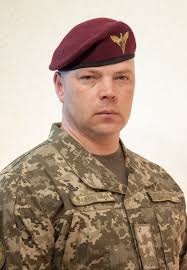 Lt. Gen. Mykhailo Zabrodskyi
“Blitzkrieg was not a process — it was a product. It was a result of 25 years of developmental doctrine, of training troops, of discussion.”
Lt. Gen. Mykhailo Zabrodskyi
“Or you will transform or change something, or you will die — and together with you will die your country.”
Lt. Gen. Mykhailo Zabrodskyi
“The worst thing for military usually is a victory in terms of innovation. We’ve seen that time and again throughout history.”
Samuel P.N. Cook
“History never repeats, but two things in this world repeat definitely: situations and mistakes. Situations are often out of our control — let us not repeat the mistakes.”
Lt. Gen. Mykhailo Zabrodskyi
Hi, it's Sam Cooke, the founder and the editor of the Ukraine Military History Institute, co-host of the Ukraine Military History podcast. Uh, I'd like to introduce the next episode for this podcast, which is a series that I've started and wanna continue to do, where me, as a military historian, former professor of history or assistant professor of history at West Point, uh, I'd- I'd like to continue this series of interviewing historians or military professionals about past military history case studies that I believe are relevant and timely for the military, and all militaries, to study, to make sense of what's going on on the battlefield right now, and- and how to use history as a tool, uh, to transform under fire on the battlefield. And this case study, uh, is actually something that, uh, my old boss, uh, and- and amazing, uh, military historian, H.R. McMaster, Lieutenant General H.R. McMaster has written several books, uh, award-winning books on military history, including, uh, Dereliction of Duty: The Lies That Led to Vietnam, where he, he talks about the chiefs of staff in- in the United States Army, the Kennedy and- and the Johnson administrations and- and the- the politics and the mistakes that- that led to America's defeat in the Vietnam War. And also, the author of the- the- the book several years ago which is translated in , Battlegrounds, which talks about, uh, you know, the national security environment of the world and- and his kinda vision of- of how America and its role, uh, should be in that. He gave a speech at the Ukraine Freedom Summit in 2025 in London where he was talking about his observations as a historian and- and military, uh, theorist and- and general about the current situation in Ukraine as of, uh, fall of 2025. But also, what Ukraine and Russia and the war between them shows us about the principles, fundamental, timeless principles of warfare. And one of the things he said in that speech that we should do, and Ukraine should do, is study a historical case study written by a man named Timothy Lupfer for the Fort Leavenworth, uh, Press series, uh, on- on doctrine. And he- he wrote a paper called, uh, The Evolution of German Military Doctrine from 1916 to 1918, which talks about how the German army on the western front under fire, uh, transformed the way it fought, from static positional warfare, uh, to, first of all, a mobile defense, and then turned the lessons from conducting effective mobile defense on the western front into how to transition into offensive operations, which led to the first major breakthroughs at the tactical and even operational level in the spring of 1918. Before the United States was able to get most of its forces over into Europe, the Germans launched a large offensive in the spring of 1918 to try and win the war before American troops entered the battlefield, and they almost, uh, succeeded in breaking, uh, the French and British lines. And the reason they were almost successful was, uh, huge innovation at the lowest level, at the sergeant, junior officer level, which the general officers of the German military, to their credit, General Ludendorff, uh, allowed to happen. Even though these junior officers were very critical of the policies of the general staff and the German army, that same general staff allowed this debate to happen, allowed the lower levels to innovate, spread, uh, lessons among each other, debate amongst each other, and really is kind of the template and the idea behind the Ukraine Military History Institute, is creating a place where, in writing, officers, western military officers, historians from both Ukraine and military historians from outside Ukraine can write papers about past history, the current war, debate lessons, and- and come up with ideas that are gonna be helpful in winning the current fight and future fights that Ukraine or its allies m- may face. And this first case study, uh, is something that I actually had already sat down and recorded a discussion on with, uh, one of the more respected generals in the armed forces still on active duty, a special advisor to the Minister of Defense, a former member of parliament, former commander in, uh, 2014 when the- when the f- war with Russia started in- in Donetsk and Lugansk, former commander of the Rus- or the airborne forces at that time. Uh, went on to- to- to quit, uh, the military and- and joined parliament in 2019, and then in- when the full-scale invasion happened in 2022, he- he left parliament, put back on his- his general officer uniform, served as a deputy commander in chief under General Zaluzhnyi, and then, uh, when- when General Syrskyi came in and took over as commander in chief, he moved over to become a special advisor, military advisor to the ministers of defense that have served since then. He agreed to do this podcast to help start the conversation about the value of military history, studying military history for officers. So, this podcast is gonna feature two things. First of all, the clip from a full speech that General H.R. McMaster gave at the- at the London, uh, Ukraine Freedom Summit last year in 2025 about the importance of studying, uh, military history, and specifically this historical case study, and then, uh, General Zabrodskyi and I will- will go into our recorded conversation where we talk about this. Now, for those of you who are watching this and would like to get access to the article, the PDF that we're discussing, and the , uh, translation of the article, there's actually two articles, Lupfer's article and then another article I wrote connecting the German innovations in World War I to, uh, their breakthrough in 1940, uh, at Sedan against the French in 19- in 1940. Those two articles, both translated, are gonna be inside the membership site. And- and those of you who want to donate to and get access to these and discuss these articles, ... uh, outside of the, the public view, you can donate to that. If you're a service member or a veteran, you can get access to this for free by registering based on your, uh, active or veteran status. For everyone else who's not , on those two statuses, we, we expect some kind of donation for you to get access to this. You donate one time or actually donate, uh, to become a member and get access to this and all future, uh, publications for the Ukraine Military History Institute. So with that, please enjoy this episode of the Ukraine Military History Institute, my conversation on the evolution of German military doctrine from 1916 to '18 with Lieutenant General Mykhailo Zabrodsky. Before we start this episode, I just wanted to make a quick word to mention our sponsors. I'm gonna give you a brief introduction for our sponsors. And then at the end of the show, we'll do a longer discussion about each sponsor and what we're offering so that you can get right into the content. So this podcast is funded by the Borderlands Foundation. The Borderlands Foundation is a foundation that I established to make sure Ukraine's heroes are never forgotten. And we have two main centers that are, uh, in effect, the sponsor for this podcast. The first center is the Ukraine Military History Institute. It's an -speaking, uh, and , uh, speaking, uh, center, which is our mission is to translate Ukraine's history from , uh, into for the world, uh, to consume and learn from. Ukraine has a lot of allies who've supported it, almost all of them the common language of military officers, military historians, and professionals is , so the Ukraine Military History Institute created and sponsors this. And I'll tell you all about our programs and how you can support the Institute at the end of the episode. The second sponsor for this podcast is the Ukraine Center for Traumatic Stress. This is also part of the Borderlands Foundation. It's a center dedicated to research and raising awareness and, uh, helping to bring in to Ukraine, uh, cutting edge, uh, therapies, treatments, uh, protocols, and education related to post-traumatic stress disorder. Uh, the heroes of Ukraine that are fighting this war, whether they're Ukrainians or foreigners who've come in to fight side by side with Ukrainians, they're writing this history, which creates the stories, which creates a strong future country, and those memories have costs, so we're dedicated to helping advance the research treatment and, uh, and, uh, breakthrough, uh, that all soldiers, veterans can have dealing with and overcoming post-traumatic stress disorder and mental health that arises from their service. And then finally, our last sponsor is the Borderlands Group. This is a, uh, for-profit company that donates the money to fund the Borderlands Foundation and all of our programs. I'm also the founder and president of that organization, and we do military advisory, advisory for, uh, defense companies working inside Ukraine and consulting and software development and technical work, uh, for both governments and, uh, military defense companies. So with that, that's our sponsors. At the end of the podcast, I'm gonna tell you a lot more about each sponsor if you're, if you're looking for ways that you can contribute to the Borderlands Foundation, our two centers. Or if you'd like to work with myself, Rob, and other contributors for this podcast, I'll talk to you about how you can get in touch with us through the Borderlands Group for that. I look at what's happened i- in Ukraine, oftentimes I think it really mirrors to some extent the Western Front in World War I when you had the situation where with the advent of, of the machine gun initially and then the massive artillery, uh, that the, the offensive was no longer viable. Uh, what, what had happened under those conditions with the Germans called in the 1916 period materialschlag with, like, massive artillery is their, their, their, their solution was the elastic defense because troops who were forward much li- like today, who are forward are vulnerable to FPV drones and other capabilities, they had to create greater depth in the b- in the battlefield, thin out the front lines with just machine gun outposts and so forth. Uh, and then to restore mobility on the battlefield in the 1917 into 1918 period, especially during the Ludendorff offensives, the idea was to cr- to, to use infiltration tactics or hoodia tactics, very small teams that could infiltrate, get behind the front lines, attack in depth, and this is, I think, what we've seen Russia try to do, uh, with these offensives and so forth. So I see a lot of analogies, you know, between these adaptations in, in World War I. Uh, but, but of course, it wasn't until, like, the advent of mobile protected firepower in the tank that mobility was really restored to the battlefield and we saw that obviously with the attacks in 1940, for example. So the technologies will be much different to restore mobility to the battlefield, but I think at the operational level, we need a whole range of capabilities to do that. And of course, as I mentioned, you know, at, wi- with th- these observations at the strategic level, we have seen the, the battlefield in depth become very transparent because of drone capabilities, because of low Earth orbit and, uh, capabilities, but also the whole range of big data analytical and, and AI-related capabilities to make sense of all that data and create a high degree of transparency. So at the operational level to restore mobility, I think the second key observation is we have to, we have to, uh, develop a whole range of capabilities to blind our enemies and deceive our enemies. Okay, welcome to a, uh, another episode of the Ukraine Military History Podcast, and I'm sitting here with a very special guest. I'm excited to speak to, uh, General, uh, Mykhailo Zabrodsky or he, he has asked me to call him Michael, uh, , uh, version of his name who, uh, General Zabrodksy, uh, studied in the United States, um, in command of General Staff College. Which, which year did you study there?
Uh, '26, '27.
2006 to 2007, uh, when, um, uh, General Petraeus was actually there as the commander of, uh, Fort Leavenworth, rewriting US army doctrine, uh, in the, in the middle of the Iraq war. And, um, the lesson that I'm, or the, the podcast that we're putting out today is, is an experiment. Uh, we're, we have this, uh, idea that, um, how can a history center for Ukraine be useful during a, a full-scale war? Well, most people are too busy or don't want to speak freely about their current experiences that they've had during this war. Um, but actually, um, so I was thinking about waiting to launch this podcast until after the war when more people were able to speak, but, um, got a strange request or an interesting request from a army brigade asking, uh, if they could help them study, uh, military history. Uh, and they, they'd done a bunch of research and they said, "Hey, we think that this is a great way for our staff to think creatively about the challenges we're facing on the battlefield against Russia." And, uh, they said, w- you know, "We, we've studied all the military history programs out there and we think West Point's is the best." Well, uh, I happen to be an assistant professor of history at West Point and, and studied there, uh, in the history department where they famili- famously said must- "Much of the history we teach was made by the people that we taught," right? So, um, so I, uh, offered to put this lesson together to put it out there to this brigade or any brigade out there that, uh, would like to study military history, uh, to help them think through the problems, uh, the challenges they're facing on the battlefield, and I designed a lesson for, uh, this brigade or any brigade in the armed forces that might find it useful, uh, based on, um, a very influential paper that I read and actually, I think, uh, you read (laughs) back in Command and General Staff College, um, uh, 20 years ago when you were there. Uh, and it's called, um, The Evolution of German Military Doctrine from 1916 to 1917, or sorry, 1918, Fort Leavenworth Papers. And, um, the reason I picked this lesson for this unit was, uh, and we're gonna talk about this in detail, is this, uh, paper which was written for the Command and General Staff College by their press, uh, is a great historical parallel to the situation, uh, I think Ukraine currently finds itself in, third year of a very long, uh, bloody, protracted, uh, war, lots of technological innovation, a smaller army, uh, com- just like the German army was much smaller in manpower compared to its combined sum of its, uh, enemies on the battlefield, and, uh, a very difficult situation, um, demanding new thinking, and, and how they, they had some, some success. It could have become major, uh, for them on the battlefield if it weren't for some larger political, uh, economic, uh, factors that were going against them. Uh, so, uh, the reason I asked General Zabrodsky on here was I do not want to be, um, sitting here telling Army in the abstract, uh, how to translate this case study, uh, to, to their military. I found General Zabrodksy because I, I read some, some, uh, articles about him and his background as a, uh, Command and General Staff College graduate in the United States, um, and someone who, who is an avid, uh, historian. Read, I think, uh, some- someone I can, I can, uh, talk to on the level of he's read a lot of things I haven't read and I think, uh, vice versa. I've read a few things, uh, that I'm gonna share with him. But I, I found my counterpart in the military history profession, um, the world's, uh, that I think will be a great, uh, conversation and th- and the vision of this center is to bring the western military tradition and the study of military art and history, uh, into Ukraine and combine that with your own rich history of military art, right? Ukraine has innovated throughout history. That's why it's, it's here as a country because of great war fighters, um, against all odds. I think Ukraine (laughs) exists in the last 100 years as a country because of a strong military, uh, tradition that has grown up here, um, out of the, the heritage that it, that it got from, from empire, Soviet Union, its own Kosak, and, and older, uh, military traditions. So, um, this is a great opportunity, I think, to have a conversation, start a conversation and merge, um, perspectives from both sides. So General Zabrodsky just a little bit before we go into this. You, you served and actually you're still a, a active serving lieutenant general, uh, in the military, uh, former commander of the airborne forces, and, uh, and just l- couple minutes about your background. (laughs)
Yes, I'm still in active duty. Uh, I started to serve in Army Forces in, uh, 2001.
Mm.
And I go through the position of platoon leader to the Air Assault Forces commander. Uh, after that, I spend some portion of my life as a member of Parliament of Ukraine. And soon, the large scale invasion start. I joined the army and serve as the deputy of commander-in-chief of Army Forces of Ukraine. And now I'm working for Ministry of Defense.
Okay. So, um, you've got a lot of experience at all the way from the tactical level on the battlefield, uh, in the early years of the war all the way up to building the airborne forces from I think you were the first commander of Ukraine's, uh, airborne forces. Like, you, you stood up that, that, uh... ... part of the forces?
Historically true. Uh, we should say I was not the first-
Yeah.
... definitely. Uh, enough people was before me, but probably I will the first one who, who was a commander for assault forces in, in their new region and new modification.
Yeah.
And for sure, uh, it was a time when the air assault forces firstly in their biography, uh, start to, to take the actions in the real war.
Yeah. Just talk me through a little bit for the American audience, ho- how did you, uh, get to study at Command Gen- or C- the, uh, Command and General Staff College in the Uni- United States, um, and what was that experience like for you as someone who grew up... I mean, I think you were educated, you actually went to military academy in St. Petersburg, and, and then you, you went through the military system. Uh, talk about how you got selected to go teach at Command and G- or study at Command and General Staff College, and what that experience was like for you?
Probably I should say it was accidentally-
(laughs)
... but it was not accidentally. Uh, I was really lucky man, and it was, uh, already many years ago. Um, we had a special selection procedure.
Mm-hmm.
And somehow, even I don't know how even now, (laughs) um, I was a, like a number one candidate.
Uh-huh. Did, did you actively apply or did they just say, "Hey we're gonna put you in this process?"
No. The special people at the special department at that time in the Land Forces Command-
Yeah.
... uh, they make like a selection of the people, and I was a young enough major at that time and absolutely unexpected for me. I got the invitation, "Okay. Would you like?" I say, "Yes." But I had no idea what I say-
(laughs)
... in that time. And after that the director asked to the special language course-
Mm-hmm.
... in Lackland Air Force Base in Texas.
Yeah.
And after that li- like, like a follow-on course, it was a CJC.
Yeah. And, um, when you studied when you were an officer before that, how extensive was your study of military history? Were you al- already interested in military history as an academic professional study, uh, project, or was this something that you, you picked up at, at the Fort Leavenworth?
I do not remember, uh, the exactly the duration of course, and by the way, we had a few historical courses.
Mm-hmm.
Uh, the first one and probably the most significant one is the United States Civil War. Other one like, uh, general military history.
Mm-hmm.
And a special historical course about the Pacific War-
Yeah.
... during the World War II, and the special historical course about the war in Europe-
Yeah.
... in frame of World War II.
Mm-hmm.
The biggest expression was, you know, I was very surprised because it was not, definitely not like a Soviet or post-Soviet military school, that any historical event, any actions, any decision, we try to consider at the part of a big, big military decision-making process.
Mm-hmm.
And immediately as we get any information or, or read any article or read any book about some events, uh, some actions, we establish the direct connection to the current situation.
Mm-hmm.
In that time, it was, uh, the time of Iraq War-
Yeah.
... actually the war itself already f- finished, but the operation in Iraq was in progress at that time, and any historical fact, any historical person, any historical situation, that they immediately tried, they immediately project it on the current environment.
Mm-hmm. Did you find that helpful?
Uh, I find it unusual, first of all.
(laughs).
And for sure, I find it helpful, but not in that time.
Mm-hmm.
It came later.
Yeah. So, the pa- the paper we're gonna go- well, actually there's two papers that I've laid out in this lesson, and, and what I'm trying to, uh, do here is, um, if, if a military history brigade wants to, or if a military brigade in, in active duty wants to study military history, um, first of all, um, please do reach out if, if you'd like to speak to, to myself, uh, and, and/or General Zabrodsky and say, "Here's how to, to he- to learn with military history." But the format we used at West Point, and I'm gonna go through here, is, um, we... Before every lesson, uh, every student was expected to read, uh, quite a bit, (laughs) and I think you, you had this at Command and General Staff College, the same thing. You're expected to show up and having read the lessons, so we've translated these two articles we're talking about here into , and we've got the original , uh, sources, and General Zabrodsky was very kind to help me, uh, with the translation (laughs) because, uh, there's very specialized military historical translation, uh, that was needed. Um, and I'm gonna start actually with the end, and then we're gonna work our way back to the beginning of a 25-year, uh, doctrinal revolution that, that emerged, uh, in the German army. So, uh, in 2004, when I was a... actually I was studying probably right before you went to Command and General Staff College as a young captain, um, I was observing the Iraq War, um, as a, someone who was about to deploy there. The, the high-intensity combat op- operations had just finished. It had, it had gone well. There were, it was a three-week, three and a half week operation, the regime fell. But what was not going well was the post-war period where, um, we were trying to secure the country, and that's where a lot of , uh, soldiers ended up deploying as part of, uh, the Iraq, um, stability force there afterwards. And when I was in, uh, Army, uh, Captain's Career Course at Fort Knox, um, I was trying to, uh, give critiques of the course that, "Hey, we need to update the way we're teaching, um, our, our doctrine because our doctrine, we're still fighting the Soviet Army from, you know, 1980s, and we haven't updated our course at all to think about th- the modern operating context." And, um, this article was an article I wrote which ended up, uh, being an article for that class. It was a paper and i- it got turned into a Armor Captain or Armor Magazine article, which, which, which did pretty well. It was a cover, cover, uh, magazine article. And this was a professional journal where officers wrote to other officers and started debates, uh, among each other. And it was about the German invasion of France in 1940, and before World War II, we like to look back on World War II and we see that, okay, well, France fell in six weeks, but that was not the expected outcome. France had, I think, almost twice as many tanks as the German Army. They had, um, they had it, by many respects, the British and the French had more modern, uh, air force. Um, the Germans were actually outnumbered by a factor of about two to one on the western front before the invasion of France.
Mm-hmm.
And France falling in six weeks, with everyone's memory of World War I when France became a bloody stalemate, uh, that was not the expected outcome, um, but i- it's what happened. It really changed the trajectory in the course of World War II, uh, to the point where Nazi Germany had a, some small chance of winning the war based on their victories in the west, but it wasn't the expected outcome. And I just wrote an article and I wanted to discuss that article with you, General Zabrodske, because the article is the outcome of something that started 25 years before, which we're gonna go into a lot more detail, which is the Fort Leavenworth papers on the evolution of, of German doctrine, um, but it was about, um, how did this lightning campaign of six weeks happen? How did the French Army collapse? How did the British Army chased off of the continent? And we talked, I talked about in the article, um, the main lessons from that. So, uh, the reason I put this article out in tandem with the German evolutionary doctrine from World War I is the two, these two things are, are very connected. And the German Army after World War I, uh, lost. I mean, ultimately, the country lost. The army didn't feel like they'd lost on the battlefield, but the German Army, you know, was, was, was kicked out of France at the end of the war. Um, they were disarmed. They went down to 100,000 soldiers, uh, and then they come back after the interwar period and shocked the world on the battlefields of World War II. And why that happened was the Germans really studied and, and internalized and understood the lessons from World War I that they'd learned and then successfully integrated new technology into a new system of training and doctrine. So, anyone, any foreign military who's watching the war in Ukraine and says, "Okay, well, we're just gonna order a bunch of drones and give them to our units and we're ready to fight on the modern battlefield," that's not gonna be successful.
Mm-hmm.
The United States Army is behind right now in drone warfare. I think all of my, my old colleagues from the Army who are now brigade commanders understand we have a lot to learn from what the Ukrainians are doing on the battlefield. We need to figure out how to, how to face the threat of drones and integrate drones in our operations at a much smaller level. So, uh, this article was the outcome, uh, or is a summary of, of the outcome of 25 years of change, which we're gonna go into detail in the Fort Leavenworth paper. So, why don't you share with me your impressions of the, the 1940 campaign in that paper so we can discuss that and then get into the, the German doctrine of World War I.
Um, I should start, um, from a right assessment of force Russia.
Mm-hmm.
Uh, European is, uh, point in your article a few times. Um, okay, um, France, uh, Belgium, and some other countries of so-called Benelux-
Mm-hmm.
... totallY they had, uh, like, uh, three times or four times more tanks in fascist Germany in that time.
With the British Army, the French, and all those.
And, and partly the two British corps.
Yeah.
Yes. Uh, but, um, the question is not the total number of tanks.
Yeah.
The question is the number of tanks in right place and right time.
Yeah.
And the military art itself, it start from the ability to create such conditions when at right time and right place, you have the overwhelming number-
Mm-hmm.
... of tanks, for instance. And German, they, they will quite succeed this.
Yeah.
They really demonstrate, uh, it is possible-
Mm-hmm.
... after the awful conditions of World War I-
Mm-hmm.
... when everybody adjust to the long front, uh, position war, trench cases-
Mm-hmm.
... small assaults, small advance, back and forth. Uh, yes, they're really demonstrate for all Europe and for world the new style of warfare, the new style of manure, mechanized warfare. And even more, they demonstrate that you are able to concentrate all your efforts and all your forces-
Mm-hmm.
... on the right direction- ... and conduct a concentration strike, actually what they did-
Yeah.
... maybe the first f- during the first part of, uh, French campaign-
Mm-hmm.
... so-called the Yellow Plan-
Yellow-
... Yellow, Yellow Plan. Uh, as for blitzkrieg itself, (sighs) I strongly believe that blitzkrieg, it was not, it was not a process. It was a pro- product.
Yeah.
It was a result, result of 25 years of development and doctrine, of retraining of troops, uh, of discussion-
Mm-hmm.
... and of, um, comparison of different points of view, uh, with a proper industrial, uh, basis-
Mm-hmm.
... I mean, the make, I mean, mechanize, really mechanize, uh, with avoiding of, uh, international sanctions.
Yep. (laughs)
By the way-
Yeah.
... yes, the first direct connection to the-
And thanks to a lot of help from the Soviet Union, specifically training in Ukraine.
Yes, and by the way, not only Soviet Union-
Yeah.
... not only Soviet Union.
Yeah.
But anyway, yes, uh, everything, this happens. And we should take a look on the blitzkrieg real, like, and finish, not only like a start point.
Actually, blitzkrieg was never something the German military called it. That was a propaganda term that Goebbels i- was branding it as such.
Yeah, but any- any- any- but anyway, it's comfortable-
Yeah.
... enough for understanding-
Yeah.
... and we continuing to use it.
Yeah.
And, uh, some indirect provement of this point is that after the 1939 and 1940, uh, actually with exception of 1941 in the USSR, the 1st of Germany never repeated.
Yeah.
Never repeated. And this is the next point which we need to, to, to, to pay attention.
Yeah.
Very easy question, why? Everybody adjust? Mm, no. The right style and new improvements, they work with, uh, some limited period of time.
Mm-hmm.
As long as you keep, uh, the, some fresh vision.
Mm-hmm.
As long as your enemy or your potential enemy cannot, uh, create something against these tactics, uh, this doctrine.
Yeah.
As for me, it's really interesting point for, for, for study and for research, uh, how the USSR in that time, how the American Army in that time already, British Army, and other countries who fight on the France of World War II, how they did it.
Mm-hmm.
How? Not how the blitzkrieg is appear, but-
Yeah.
... how the blitzkrieg was stopped.
Yeah. Yeah, how, how armies adapt, and, uh, one of the things I think, um, this paper illustrates is that war start in very unpredictable ways. When, when Russia invaded Ukraine, uh, most of the world predicted a certain outcome, which didn't happen. It was a very un- unlikely outcome from the analyst historical perspective.
(laughs) Okay.
Ju- just like this, just like this a- I mean, the world is, uh, ultimately, the intelligence community, all, all military analysts I know were shocked that Russia did not win quickly in Ukraine, right? And that's, uh, I think a historical turning point, because if Russia would've succeeded, not in three days, but, like, let's say a couple months, and Ukraine comes under the control of, of, of Russia, then all of Europe's at threat. They control this massive population resource base, and, and, and world history looks very differently. And in this war, six weeks is not enough time for an army to adjust, right? So when France failed to defend a concentrated assault integrating all this new technology in one portion of the front, the entire front collapsed. Um, and in the Soviet Union, because there's a lot more space, um, the same approach just didn't work. Strategically, the Germans did not have enough manpower. The Soviet Union was able to mobilize a lot of manpower and industry in a very short period of time, and they weren't able to repeat that success on the eastern front. And then armies started to innovate and share with each other, and yeah, the, the Germans, um, lost their ability to, to win quick, decisive victories.
Uh, you know, the military prediction and the national expectation-
(laughs)
... from any war conflict-
Mm-hmm.
... it's always a very controversial thing.
Yeah.
I want to, to, to introduce the other example, the Polish, Poland.
Yeah. 1939?
Yes, 1939, the country, the army, the Polish Army was fully mobilized, almost fully.
Mm-hmm.
They did not accomplish their mobilization plan, but anyway, they, they was ready for war-
Mm-hmm.
... as they guess-
Yeah.
... in that time. They were ready to fight, and they were there to defend their country. And he had, uh, pretty enough the combat spirit-
Yeah.
... and willing to fight.
And they fought hard, and they inflicted a lot of casualties.
Yeah. The new, the new enemy-
Yeah.
... uh, they had almost, almost one-to-one force ratio with the 1st of Germany Army, with the Wehrmacht in that time.
Yeah.
But two weeks.
Mm-hmm. Well, part of that was when the Soviet Union came in on the other side, that-
Sure-
... that didn't, that didn't help.
... but, but it was not decisive.
Yeah.
It was a, it was pain, it was, it was painful.
Yeah.
It's like a strike-
It made it quicker.
... on your back. But anyway, it was not decisive.
Yeah.
And everybody recognize it now.
Yeah.
And the other situation, the Soviet Union, now, uh, you know, people when we try to, to find the easy explanation of complicated thing.
Mm-hmm.
"Oh, Germans was not, uh, precisive in their calculations, how many tanks and people they need to go to Warbel," or something-
Mm-hmm.
... like that. But let's go and let ma- make one step back. Everybody hear about the Barbarossa Plan.
Yeah.
But in fact, Barbarossa Plan was accomplished.
Yeah.
Nobody, nobody, uh, want to recognize it, even now, especially in Russia.
Mm-hmm.
Because for there, the World War II, or as they say, Great Patriotic War, is a full... It's only victories, victories and victories.
Yeah.
Success, success and success. But in fact, the Barbarossa Plan was accomplished.
Mm-hmm.
And the question is, who was wrong? General, general, German general staff? No.
Mm-hmm.
Maybe something else, maybe some other factors. Maybe. But, uh, let's go back to Blitzkrieg.
Yeah.
In that time, and even now, if we are past 80 years, we are talking about the Blitzkrieg, the impression of this really flash war, fast war, so high, that past next 50 or 60 years-
Mm-hmm.
... any war, it's a... looks like a, a temp to repeat the Blitzkrieg.
American army tried it twice.
American army tries at least twice officially, but unofficially, much more.
Yeah.
Even-
Well, we were successful twice in, in Iraq, first and second time with, with a fast war, but not in Korea and Vietnam. (laughs)
Even Russia.
Yeah.
Even Russia.
Yeah.
Invasion in Georgia, '28.
Yeah.
It's a small model of Blitzkrieg.
And, and what they thought would happen in Kiev in-
Large-scale invasion to Ukr- invasion to Ukraine-
That was the model.
... in spring 2022.
Yeah.
It's a next attempt just, uh, repeat the Blitzkrieg on new technological level.
Country collapses and...
Yes. It's, uh, (laughs) I, I touch these examples, uh, in order to demonstrate that, nevertheless, and more than 80 years old are gone.
Yeah.
It still touch the imagination. It still touch the, uh, military ideas. It still touch the military doctrine, and everybody wants to be, um, at least such successful as the Wehrmacht did in 1940.
Yeah, Soviets actually did it in Hungary. They did it in Prague. They did it in Afghanistan. And a lot of people actually look back at Afghanistan and say, "That was actually the same model they wanted to apply." Or, or Putin was watching, you know, American soldiers raise a, a flag in Baghdad after three and a half weeks saying, "Well, we could easily do that. I mean..."
By the way, if we touch this, the Soviets... Again, um, I know at least one historical example when the Soviet Blitzkrieg was successful.
Yeah.
It's 1945, Manchuria.
Yeah.
Like, two weeks.
It was, uh, it was... Actually, a lot of historians argue that was the decisive factor in getting Japan out of the war-
S-
... much more so than the Con-
Some, Somebody guess it's something which the Soviet Union is going to do in 1941.
Mm-hmm.
But, uh, fascist Germany just make a strike first.
Yeah. Yeah, and, and, um, in 1940, um, when we talk about kind of the myth and reality of it, um, first of all, the Germans had, in a lot of ways, definitely quantitatively less armor and, and a lot of the tanks were older. They were tanks that they captured in Czechoslovakia. They had very small... Th- These were the Mark III, Mark IV tanks, compared to much bigger, um, British and American tanks. But what the Germans had done is they put radios on every single tank, and they, they'd enabled communication. Rather than making tanks mobile pillboxes supporting the infantry, they created their own, um, organization around new technology and concentrated the small amount of armor that they had in, in one area of, of the front line. Um, let's talk a little bit about mission command and pushing down initiative to the lowest level. You've been in the military, uh, for a long time. There's, there's Soviet command and control tradition, then you have the German tradition, which is, they call it Auftragstaktik, which is mission tactics. American army has adopted that as its own, you know, style of, of... And you've learned that at Command and General Staff College. What... How important do you think that is, was in, in this case study, and, and how important do you think that is right now?
I cannot be agree with you, um, that it was a real German, uh, officer corps tradition.
Mm-hmm.
And I guess, uh, it was not.
Mm-hmm.
Uh, you write a lot and absolutely right things about the, uh, push and pass the initiative and responsibility down to a few levels of command. But I cannot imagine an initiative in the army of, for instance, uh, Friedrich the Great.
Yeah. Now, this was a, this was a-
100 years before World War I.
No, this, this was a new innovation in the German military.
Hmm.
It wasn't a long tradition.
If we, if we consider innovation something like, um, like a thing which, um, was born because of, um, declaration or because of order-
Mm-hmm.
... yes. But I believe it was not a innovation. It was just, um, a situational response-
Mm-hmm.
... of what happens.
Yeah.
And it was a absolutely logical response of the situation with manpower in the army. Uh, remember like ƒan Trotdorf, uh, described the officer corps, and the ma- uh, middle and, uh, junior commander, commanders level.
Mm-hmm.
It was a lot of officers from the reserve.
Yeah.
It was a lot of you- a lot of young officers. It was a lot of officers, uh, which, uh, were sergeants- ... couple months before.
Yeah.
It's absolutely the same situation as armed forces now.
Yeah.
And the people they bring on this level of command, they're all in understanding what they should do or what they should not do.
Mm-hmm.
And what is the frame of their independence in decision, in actions, uh, and in, in responsibility. I don't want to say it happens just because it happens.
Yeah.
But, uh, I guess it happens, uh, without any additional exterior, um, projection from the high command.
Most innovations n- never come from the high command.
Yes. But, uh, one of the vital important, uh, condition of leaving this innovation, it's a support from higher command.
Yeah. Uh, recognizing what was culturally coming up and institutionalizing it.
Yeah.
Okay. So, so, the, one of the big lessons from 1940 was the German officer corps did well because they had a, a culture of younger commanders not asking for detailed instructions and/or creating their own plans that were deviations from their instructions to accomplish the mission. There was a classic example in the article of they had these three cor- they had three divisions on a, on a route of march going towards Sedan, and one of the corps was, was held up and the commander decided without informing higher command to go out of his sector, seize a bridge, because the mission was to, you know, facilitate the follow-on forces, and he, he viewed deviating from his sector as an acceptable disobedience, as it were.
You know, deviation or broke the core boundaries-
Yeah.
... um, which is example, but maybe not the best one.
Yeah.
I mean, uh, from time to time, uh, such, uh, cases, it happens in the, during the war, during the any operation.
Yeah.
I believe we can find, if, if we wish, we can find such examples even in Iraq War.
Sure, of course.
It's abso- abs- it's absolutely normal.
Mm-hmm.
The question is know how and why it happens. The question is how the high command assess it-
Yeah.
... and how the high command adopt it. "Okay, you crossed the boundary, not a problem."
Yeah.
"Uh, it was reasonable?" "Yes." "Go ahead." Uh, and this, again, we, we need, we need to, to, to go back to the different understanding of military culture. For somebody, uh, not for somebody, (laughs) for most part of the armies in the world, it's absolutely normal.
Yeah.
Now, it's hard to say who was, uh, the initial source of such approach. Maybe Brits.
Mm-hmm.
Maybe Americans, uh, as, as a young country. Maybe France-
Yeah.
... with a democracy, uh, and broad vision of any process-
Yeah.
... including the warfare. Uh, but anyway, it's absolutely normal for most European army now.
Mm-hmm.
And it's very hard to, to maintain it and spread it in the Soviet Army and post-Soviet army-
Mm-hmm.
... as Army forces now-
Mm-hmm.
... looks like.
Yeah.
It's very hard. And I believe, uh, the question is, um, not a limitation of people's imagination, not limitations of, uh, experience or understanding of situation. The question is in the level of responsibility.
Mm-hmm.
When you let people, uh, make a decision on their own level, they can be unbelievable effective.
They'll surprise you.
Absolutely, yes. Uh, u- even, yes, and surprise you and surprise everybody and surprise themsel-
Yeah.
... first of all. But the question is, if something, if something happens wrong-
What happens?
For instance, you, you are not accomplish the mission.
Mm-hmm.
You get, uh, losses.
Yeah.
Or you get losses and you are not accomplish the mission, worst-case scenario, the question is when the prosecutor come. He will ask you, "Okay-
"What were your orders?"
"... where are the orders? Show me the orders."
Yeah.
And number one questions, "How? Why?"
Yeah.
And after that, very logical, uh, result.
There was, uh, my old commander, General McMaster, he, he used to say, "We ... You'll never get punished for do- for doing nothing, but you'll certainly get punished for doing," um, he would, he would rail against this c- sins of omission, which is not doing anything, that's okay, (laughs) 'cause you're not violating anything. But you try to do something with initiative and you're getting punished for that. And if, if people can see that what your intention was and you failed, but, but you had the right intention within the commander's intent, that's to, that's part of war and, and unfortunately part of the fight. Um, and you're right. It, it completely is a cultural thing. Um, what would you rather see? People waiting around to be told what to do and those orders always come late and they're incomplete 'cause higher never knows the situation on the ground as well as that commander? Or do you encourage with when something goes wrong, looking at, "Okay, what can we learn from this? What was trying to be done?" But not prosecute someone for a mistake, literally prosecute, um, that, that, that sends a chill through ... No one's ever gonna do anything if they're worried about going to jail because, well, if I do nothing, I'm definitely not gonna go to jail. We might lose the battle, (laughs) but, uh, you know, I'm not gonna go to jail.
It's why so many armies in the world, uh, try to be as united as Army is.
Yeah. But it, but it's, it's difficult because there's a, there's a, there's gotta be a culture of protecting that ki- that kind of decision-making as, as a priority. You know, it's, it's something that this is a cultural priority for this army, which is we protect people who- ... step up and try to make decisions without being told what to do based on their... the commander's intent.
I know clear that this is, uh, it is a product of decades and centuries.
Mm-hmm.
It is not something you can just push by directive or order.
Yeah.
"Okay, let's do it by this way."
Yeah.
No. You n- you need to, to create it. You need to, to let it grow up. You, you need, uh, people to understand deeply in their brain, in their heart why they should do in this way.
So General, the, uh, the discussion of Sedan and, and World War II and, and this popular historical branded term of blitzkrieg was really, uh, a prelude to the main lesson here, which is, um, such spectacular successes, you know, I'm, I'm an overnight success 10 years in the making (laughs). You know, people like to say in business when, when someone all of a sudden becomes really famous or successful, people almost always, um, look past or ignore the... all the preparation it took to get there. And this German spectacular success, which has captured the imagination of every country that's gone to war since, uh, from American to, uh, military, was 25 years, uh, really tw- 25 years in the making. And, uh, the case study that we've translated into , thanks to your great help, uh, translation was, um, The Germ... Evolution of German Military Doctrine from 1916 to 1918. It was a classic, uh, case study written, uh, by Fort Leavenworth Press, uh, something that you actually (laughs) had a copy of it when I sent to you. You ha- you had a copy of it on your desk, so you'd obviously, uh, read it in the past. Um, and we chose this because it's, it's a very practical way to use history to find something that's, that's very similar to what the military is going through right now. Uh, history's never an exact repetition of, of the past, but there, there can be scenarios where 60, 70% of what you're going through is, is very similar, and I think that's the case here. So let's talk about the evolution of German military doctrine. In 1916, the German Army was, um, really bleeding, uh, bleeding out from repeated kind of almost, uh, what a l- a lot of people in the West viewed as meat assaults that... you know, the Battle of the Somme. Uh, the French, um, French assaults were very costly for the allies, but on the other side, the German military was really, really struggling, uh, uh, in the face of these assaults. They were, they were almost breaking at certain points. Uh, from their perspective, the Somme was a huge, uh, blow, uh, even though the British lost a lot more, the Germans took a lot of casualties there. And they realized there has to be a better way to do this defensive, um, elastic d- or what became known as elastic defense. There has to be a better way than positional defense, and they came up with through, uh... This paper describes in detail the process they came up with, a new way of defending. So describe, um, for me what your, uh, your impressions of what the German military did, and more importantly, how this, uh, might be relevant to the military on changing the way they think about defense.
Despite of long enough historical period, I mean from 1916 to 1940, uh, I believe we need to separate these two, two periods.
Mm-hmm.
Because, uh, they provide for us two different kinds of, uh, evolution.
Mm-hmm.
The situation in 1916, it is s- it's a wartime situation.
Yeah.
It's a search of, um, specific decision which can break the stalemate, uh, operational stalemate during the war time, and some, uh, certain portion of, uh, very unique and very particular conditions in that time. And the situation past 1918 up to the '40, it's other kind of situation. It's a situation when the country, in fact, lost the war and the country was, uh... and c- country and society, German society was very, very frustrated because it was impossible. The biggest and probably the strongest army in the Europe, if not in world, was not defeated on the battlefield.
Mm-hmm.
But the country itself was defeated.
Yeah.
And the people tried to find the, again, easy explanation of complicated thing, but the military tried to find pure military reason why it happens.
Mm-hmm.
But one, um, element, uh, he has joined is unite both of these evolutions. The German precisely assess the initial conditions. I guess the, the biggest reason of fault of any innovation, it's incorrect assessment of initial situation. In 1916, Germans understand situation quite well. Okay, almost stabilized line of contact, um, the series of unsuccessful local battles, uh, assaults, very bloody.
Mm-hmm.
The shortage of manpower, the shortage of ammo, which-
Which Germany had a much bigger problem with manpower and ammo.
Yes. This is, uh, makes the situation quite close to the situation now.
Yeah.
And they understand clearly that they need to find, uh, a- any solution. ... and, and they will have only one, only one turn to find a solution.
Mm-hmm.
Just because of additionally to lack of manpower and lack of ammo. It is a lack of time.
Yeah.
Because-
Because the economy was going against them.
Because the economy go down, because of economic e- economical blockade, and, and so on, so on.
Wh- which I think is the difference between Russia and Ukraine right now is, Ukraine, even though it has a shortage in manpower and ammunition compared to Russia and North Korea and Iran and all the powers supporting it, they may have a lo- a, a more stable economic situation which is one key difference. But, but the same disadvantages.
Yes, but maybe the generational discussion about the current situation in Ukraine, it's, uh, outside the frame-
Yeah, exactly.
... of our topic.
Yeah.
Uh, but, uh, we need to underline the key of success of development of any innovation, it's the absolute, like, understanding, clear understanding of situation where you know.
And how did they get that?
Yes. And only after that what you need to do to make something better.
Mm-hmm. So, why do you think they, uh, uh, first of all a lot of armies fail to assess the, the problem and even define the problem, as you say, why do you think the Germans were successful assessing their current situation?
Hm. The reason can be different. Or actually, the understanding of reason can be different and probably this is, uh, German nature.
Mm-hmm.
To be very careful, very strict. It's like a part of national character.
Mm-hmm.
And maybe because of the high level of military culture when the subordinate, uh, send, uh, on the top level of command the information, not what they want to hear, but what is real.
Yeah.
Yeah, so b- by the way, this is, this is, it is a problem. It is a problem, uh, and such disease, uh, as any army in the world.
Yeah.
At least from time to time. And Germans somehow avoid it.
Mm-hmm.
Avoid it, and common effort they create the real understanding of the real situation on the high command.
Mm-hmm.
I think it is one of the main factor why the main command maintain the in- innovation and try to find th- the source, the initial source of such innovation even from, from the lowest level.
Mm-hmm.
Even from inside of junior officers, junior leaders, or maybe not only officers, by the way.
Sergeants, yeah, actually.
And sergeants as well. And, uh, they did not, uh, keep the, any additional arrogance of "W- we are generals, we are no better."
Yeah.
Uh, yeah, w- we can laugh, but again, uh, from time to time it happens in any army in the world, in any war.
I saw it in, in the American army for sure.
(laughs) I can say the same about army.
Yeah.
Uh, so the methodology of creation of innovation, which is a real example for follow on, it is a real example how to do it, u- actually, and as I write, it is a, it is a almost complete, uh, manual how to do it.
Mm-hmm.
Again, not what to do, because of 100 years gap-
Yeah.
... because situation now is different-
Yeah, it's different.
... but we already told the situation is the same.
(laughs)
(laughs) Uh, but, um, real methodology, real the way how to do it, maybe not what to do, but it's how to do, uh, the German innovations during the interwar period and during the World War II, or World War I, sorry, uh, could be a perfect example.
Mm-hmm.
A perfect example how, how the state and the army and the full scale of army forces need to create, maintain, develop, and employ the innovations.
And I, I think this is very important for Ukraine, uh, right now as we're recording, it's early, or May of 2025, there's talk of some kind of c- cessation of hostility, ceasefire potentially leading to maybe just an armistice or peace, which means we're going into an interwar period, as I like to say. Every, every war in history follows a war before it, and how do we learn during the war now, as long as it lasts, whether it's a month or a year or, or five years, and then how to innovate afterwards. Um, so the German army you, you said correctly assessed the problem because they solicited feedback from the lowest levels of command, encouraged... And, and this, actually this is important, this came from 1916 something important happened, General Ludendorff, who had been very successful on the Eastern front where there was much more m- maneuver happening, um, and ha- had actually faced off against some very legendary Empire generals, Brusilov, who actually was th- what the most famous general of, of the, of the war, the allies, there were, like, songs and all kinds of movies made about him because of his successes on the Eastern front. They learned fighting a different style that wasn't as positional in the East. He came to the Western front as a, as a new commander, new commander of the Western front and, and encouraged, um, or his staff, and he encouraged, and didn't shoot down, uh, ideas just because it was a sergeant or a captain, uh, submitted.
I'm not going to criticize, uh, General Brusilov-
Yeah.
... uh, actions during the World War I, uh, but yes, uh, I agree, uh, probably is, uh, one of the most remarkable examples, uh, of operational art, and, uh, unusual approach how to conduct the offensive on the broad front.
Mm-hmm.
But, but, the historical fact is... ... the Brusilov's breakthrough was a real tactical success.
Mm-hmm.
And it was not a-
Operational.
... operational success and not a operational, um, scale success-
Yeah.
... for some different reasons. Maybe not because of Brusilov-
Yeah.
... because of other elements-
Logistics.
... of the situation, yes. But it is a fact.
Mm-hmm.
It is a fact. And I think we, we, we had some kind of analogy. It's like, um, Germans, uh, attempts to conduct a offensive, uh, before adopting the new doctrine-
Mm-hmm.
... in 1916.
Yeah.
It's like a, a French attempt to, to, to conduct the offensive, uh, as the, their commander-in-chief did for some small tactical case-
Yeah.
... and try to project it, mechanical projection for, for full scale, "Okay, let's do this way and we will get-"
And it led to-
"... the success."
... led to almost collapse in the French army.
Yes.
They had a mutiny in 1917.
And again, back to Brusilov. Never before Brusilov and never after Brusilov Empire Army conduct something the same.
Yeah. Yeah. But the Germans learned from that, and, and Ludendorff, as a new commander, came in and said, "W- let's start figuring it, figuring this out on, on the western front," because it had been static. It had been bloody positional warfare, and, and he, he wanted to, to change the dynamic. And there was this real energy, and actually this is something I remember, um, I was in Iraq in 2005 and '06 as a, as a junior commander. It wasn't going well. I was in a good unit. Colonel McMaster was very innovative, but I saw him fighting against forces of an army that wasn't yet reforming the way we fought. And then when General Petraeus came in, uh, and I, I went to serve under him as a commander in the second tour, the whole culture of the army felt different. It's like, hey, we're a learning organization. Everything's changing. The commander is constantly traveling around, talking to soldiers, going on patrol, and learning. Uh, and this is something we actually... I have a interview with General Petraeus we'll release on this podcast, which I think can be the subject of some very good future military history discussions, um, that will help the military, is we were a learning army. And that culture started at the top. No. The culture was there, but the top allowed the culture to grow. Versus before, the culture was there, but there's just a lot of frustration, and there was no systemitate- systemization of that learning and cross-pollination. And, um, so Ludendorff allows these papers to be written. They circulate these papers among the, the junior officers. And, um, the German army found that... And this is, this is a, a very common thing. When you've conquered some territory, or even worse, like the French army, you're defending your own land, um, there's a very strong aversion from political to strategic high command, all the way down, to ever give up any ground because that's giving up ground that either we paid for in blood to conquer or it's our land, right, as the French were defending. And the Germans created this very different approach. Um, they went from positional defense to elastic defense. And, and this actually, um, we see traces of that even to this day. We saw that with the defensive plan in 2023 against a counteroffensive was this, um, much more, uh, defense in depth, with s- which the Germans were the first ones to really institutionalize this on the western front, was this elastic defense. And it was, uh, an outpost zone, where they'd, they'd create outposts, um, and they'd have some, some forward trench lines there. Then you'd have the main defensive zone, um, and then you'd have the rearward zone, which is where reserves were gathered and ready, uh, to counterattack. And when the Germans were attacked in, in 1917, they were able to repel these attacks because 1917 was supposed to be the year the Allies were gonna break through, um, but they weren't able to because the Germans with a lot less casualties and much more effectiveness were able to repel these attacks, given the constraints of manpower, ammunition. So talk about your impressions of that doctrine and the shift and w- what effect that had on the German military.
I should start from the role of person-
Mm-hmm.
... in such situation. I mean, the person from the high echelon of military leer- leadership. And the creation of the such atmosphere, as you write, the discussion, for open discussion, for different question, objections, whatever, uh, it's art. It's art of how to manage the people.
Mm-hmm.
And this is not just, uh, civilian business. This is the army, and this is the wartime. Um, I believe the decision, um, to let this discussion go and let, uh, to discuss openly a new tactical approach, uh, is probably the most effective decision during the all the war for Ludendorff.
Mm-hmm.
It is- it has- it is important. You know, the French people, they, they tried to do something like that, but only something.
Mm-hmm.
And only Germans, with their, uh, attention to any details, uh, really applied in a large scale.
Mm-hmm.
And the result was absolutely, uh, logical. The result was, okay, they create a new offensive doctrine.
Or defensive first.
Uh, first defensive, but-
Then offensive.
... remember, the offensive doctrine was conde- created on the base of offensive doctrine.
Mm-hmm.
And I want to say even more, uh, if we go deeper and, uh, take a look on the World War II, the principles of elastic defense, but at the time it was, it has, uh, had a other name already. Uh, they... All armies during the World War II continued to apply it.
Yeah.
Even more in post-World War II period. A long time, it was-
Right in the heart of Europe. (laughs)
Yes. In Soviet doctrine, as well the United States Army doctrine-
Yeah.
... the base is a elastic defense.
Yes. That was-
The same-
... the whole plan to defend Germany.
... the s- the same principle, trade, trade the territory-
Yeah.
... let enemy go inside, and after that, the strike.
Counterattack.
Counterattack.
Mm-hmm.
The princi- the same principle. Something maybe, uh, was, uh, developed more and can do better, uh, something can do on the other level of technological-
Mm-hmm.
... in terms of the other technological level, uh, but the principle there, they still, uh, keep the principle. In this, in this, uh, sense, uh, the German, uh, innovation, um, still alive even, even, even today.
Yeah.
Um, back to the role, as for me, it's quite important for high leadership not to create the new doctrine by themself.
No, just allow it.
First of all, it's impossible because when the people go through the different position, uh, because of, uh, their duty, they just do not have the time and ability to, to catch everything.
Mm-hmm.
Uh, sure, uh, most of them continue to keep the imagination how it's going on battlefield from their time. Sure, from time to time they can chance to observe how it's going now. But anyway, it's not a- not a job and not a duty of high-level leadership to create a doctrine.
Mm-hmm.
And a German exam- German example, uh, in this case, uh, it is a perfect example. Remember, the doctrine was written by lieutenant colonel and a captain.
(laughs) Yeah.
Smart guys and staff. Such guys, uh, uh, any staff, uh, has such guys.
Yes.
Very quiet people, they just do their work, but they collect, uh, generalize, systemize, and produce the idea.
When, when General Petraeus, while you were at Fort Leavenworth, wrote the counter-insurgency manual, he wasn't writing it. He was... He collected the smartest guys in the US Army, uh, from my old commander. Colonel McMaster contributed a lot and a lot of other people were, were bringing in those ideas, and they, they did it very quickly because he, he put command focus and attention on the, the culture and the staff that, that would do it.
Uh, but remember, we are talking about the situation one year ahead-
Yeah.
... with the experience of two world wars already.
Yeah.
And the Ludendorff situation was, uh, different.
Mm-hmm.
It was a classical approach.
Yeah.
The high leadership always right.
(laughs)
"I know better because I'm general," and blah blah blah and so on. And he find, uh, the brevity to be open and he find, uh, the brevity-
The bravery, yeah.
Yes, bravery, to, to be-
Humility, yeah.
... uh, to be decisive enough, uh, let people do their work-
Mm-hmm.
... collect, analyze, and produce, uh, some ideas.
Mm-hmm.
It was very unusual in that time. In some sense, it's unusual even now.
It's hard.
It's hard, but it's proved to be effective.
So this, this elastic defense, um, is easy to say in, in, in theory, but it's very hard to do in practice because for Ukrainians right now fighting on their land, uh, trading territory even temporarily to allow for a counterattack that can expel the enemy from, um... If you look at what the Germans do, not trying to say we can copy that, but maybe the principles of mobile defense versus positional defense, it's a debate that's open today. With unmanned systems and, and drones, there's a very different environment, but there's an ability to potentially amass forces for counterattacks, uh, in different ways. And, and this is something I think, uh, is a debate that military ins- internally should be having. Are we a positional defense doctrine or are we elastic defense, and what are the implications of that for the front line and territory that is very hard to give up even 24 hours? You take it back if, if... The way the Germans did it, they amassed a lot more forces for counterattacks, they created forces for counterattacks and reserves that were able to stop any breakthroughs by having temporary trading of, of territory for, uh, the ability to destroy the enemy on that ground. And this is a debate I think the military, uh, probably is having internally. We may not see it publicly, but it's, it's a difficult question. In theory it, it looks great, but on practice, it's very hard.
The elastic defense in German understanding in that time, and even in modern understanding, it's not a easy, uh, type of maneuver.
It's, it's harder to do.
Y- yes, and this is not a question about your motherland or-
Mm-hmm.
... your territory or enemy territory. ... even you try to conduct it in somewhere in desert-
Yeah. It's hard.
... where nobody live, it's hard.
Yeah.
And Germans, uh, they understand it better than somebody else.
Yeah.
And they... Remember, they, they, they take time, they organize a training center there, organize the, uh, study of new doctrine for officers of all ranks-
Mm-hmm.
... because it's a key of success. If leader will not understand the doctrine, you should not expect any, any effective actions from the soldiers.
Yeah.
Yes, they understand that it's not enough to create a doctrine. It's the most important to empl- apply the doctrine.
Yeah.
And, uh, it's very horrible to apply effective.
Yeah.
And sense of, uh, (laughs) do not make their doctrine wrong.
Yeah.
Just because of, uh, just because an, an effective, uh, employment.
Yeah.
They understand it clear, and they put a lot of effort in sense of, uh, to be successful-
Mm-hmm.
... in terms of training, study, and so on and so on. Uh, as for, uh, philosophic question, whether or not you should trade the territory, yes, it's a, it's a painful question for any, any conflict in any war. I try to, um, think, uh, as a military professional. Uh, for sure, the pure combat visibility should be a number one factor.
Mm-hmm.
Because if you try to, to, to catch and, uh, build defense for, for any, any wood area, any, any, any height, and any village, uh, you can very easily go to situation as the French army-
Mm-hmm.
... had more than 100 years ago. Uh, if you will continue take a look back and think, "Okay, what, what is it the mass media will say about this village, why I lost this village, blah, blah, blah," I, I understand this is painful, this is uncomfortable, and this is, should, should make me angry, but it should not, um, stop me from, uh, making the effective military decision.
Mm-hmm.
And, again, we need to, to, to, to, to go to, to military culture. It is a, it is a part of military culture.
Mm-hmm.
And it's impossible to create just-
Yeah.
... in one moment.
And if, if you're debating the wisdom of practicing and training for, and implementing elastic defense versus positional, elastic defense is harder. It's a higher level of warfare. It takes a lot more training because the heart of, uh, an elastic defense is you're gonna have less forces on the line of contact, you're gonna have more re- potentially reconnaissance out, more outposts, maybe unmanned systems, and you're gonna save your forces, your, your highest skilled forces, which now might be your people itself, versus unmanned systems maybe forward. But those forces are gonna be held back, but they have to be much better trained, they have to be effective at counterattacking, because if you lose that forward line, but then you're e- immediately able to destroy the enemy force and counterattack, then you've actually destroyed more enemy, lost less of your own forces, and still held the territory. Um, and the Germans made that conscious decision, "We're gonna go through the pain of training." And, and training and reforming an army in peacetime is difficult. In wartime, it's even more difficult. And a lot of people say, "Well, we'll, we'll, we'll do that after the war." But you gotta win the war first, and, and to win the war, you have to be able to do the hard things, which is reforming under fire. And, and I think this case study is a perfect example of it's been done before. And, um, if there's a debate in the, in military about which, which way to go, the other benefit to the elastic defense was what's the benefit of learning how to counterattack in the defense, it led to, uh, the next part of the innovation, which was creating offensive, new offensive doctrine.
It's very common, uh, meaning, uh, very common one, sort of opinion, um, when the people, uh, build the direct communication between the effective German elastic defense and effective German offensive doctrine.
Mm-hmm.
But, again, if you take a look on some specific details, the Germans create the offensive doctrine, uh, on a basis of, uh, French people will try to build defense on the elastic principle.
Mm-hmm.
And actually, initially, they did not.
(laughs) Yeah.
Uh, so, um, I touch, uh, this question, because, um, from time to time, people, uh, understand that their image of situation is only one which is correct.
Yeah.
But, uh, in fact, in real life, it was not always. It's just from time to time. And, again, as soon as the French people, uh, actually French and Brits, uh, tried to replicate something like elastic defend- defense, they were successful-
Mm-hmm.
... and they stopped the German advance.
Yeah.
In this case, we, we got, like, um, actually, they got, (laughs) like, um, tactical stalemate, but, but in, on new level.
Yeah.
And I believe one year, maybe few months, and German potentially, they could find a new solution. It's like, um, nonstop process.
Yeah.
Back to the, to the sources and back to the mythology. We are, we are, we are going to talk about the mythology, how it's created. Uh, remember the, uh, Germans, um, uh, you described this episode, uh, when the Germans, uh, shh- sh- sorry, Arto described this episode, when the German captured the, uh, French, uh, manual, how to build defense.
Yes. ... and the French never used it.
Yeah, f- and French never used it, but they studied it carefully.
Yeah.
Because, again, it's an example. They understand if the manual exists, somebody followed the man- manual.
That's what the Germans thought. (laughs)
Yes. What the Germans thought, and yes. And he- and their offensive tactics and their off- offensive way how to operate had a basis on this manual.
Yes.
Include this manual. And again, the- it- it's one of the examples when in the war, uh, (laughs) the image of the war and the reality of the war, it's, uh, from time to time a completely different picture.
Yeah.
But, uh, as a source on your doctrine, the analyzing and understanding of enemy's points of view, um, quite important, quite important. It's why so many attention, uh, usually armies, uh, keep to the how to study the captured documents, uh, how to study the new, new sorts and, and how to study the topics of discussions. I mean, in- in- in open, in open space discussions.
Yeah.
What to do, should, what we should do, and so on and so on. And again, it- it makes the situation close to the modern situation in Ukraine.
Mm-hmm.
A lot of talking now about the drones, new tactics, uh, new possible solutions, include the technological solutions and tactical, possible tactical solutions. And I believe in Moscow, they- they watch it very carefully.
Mm-hmm.
Uh, first of all because they have the same situation.
Yeah.
And, you know, from time to time you can find something more effective on your enemy. And for sure, they are quite interesting about the, uh, what is the main ideas now circulate in and European military side.
Mm-hmm. And the, uh, the German army figured out, um, one of the ways they... And, and 1918's a very interesting year because the, the Soviet Union, um, which had just come into existence, basically almost surrendered. Uh, well, Ukraine became independent as part of that under the protectorate of, uh, German, and then became an occupation of German and Austrian forces, and that freed up a bunch of forces to go to the western front, uh, under Ludendorff, who said, "Okay, I have- we have this one last chance to roll the dice, the iron dice of war, and, and, and create a breakthrough before the Americans, uh, come over here, uh, in- in- in mass." And this was the first time in four years the front basically moved at a- at an operationally significant level. Uh, German military, um, created, uh, some quite substantial breakthroughs but they were never able to turn them into that big... There were some minor operational breakthroughs that the front really started to move, um, but what the Germans figured out was... And this is when tanks had come in. Uh, tanks had already been brought onto the battlefield as Germans had faced tanks, they knew about tanks, but they didn't have the industrial capacity or they didn't make the decision to- to- to make tanks for whatever reason. Tanks did not ever see any wide-scale adoption on the German side, the British side. Uh, on the American side it w- it was, it was different. But what the Germans figured out in the, um... And this is building on their defensive counterattacking, uh, doctrine, was they figured out, well, we've been sitting in the same position for four years but now we're learning how to counterattack, so we're starting to learn how to run again, and they're building these muscles of how do you assault and- and m- do fire maneuver again, which is part of the defense. So that gave them this, uh, ability to exercise their offensive muscles, and then they captured this French document, studied it. The French never studied this (laughs) document, but the Germans did, and they said, "Let's go try this new, uh, style of, of fighting infiltration tactics." And what they- what the Germans really did was a, a combined arms task organization, reorganization of their military. So their- the brigades and regiments that they were fighting with were completely reorganized to include combat engineers at the lowest level, to decentralize, um, and this is where you talk about the culture. It wasn't because the Germans had this long tradition of being very empowering of people (laughs) in society. That was actually the opposite of German culture and tradition, but they just figured out it- this works. I mean, we have lots of civilians now joining the military reserve officers. They've got business experience. They don't know, they've not been in the army for 30 years. Most of those career officers, the junior ones, were killed. Okay, well, what do they say works? And- and they developed this concept. Hey, leave us, leave us alone, give us the big mission, give us all the- the units we need pushed down to our level to do our job, and let us go, right? And- and the other big decision was instead of trying to d- destroy every position, we're gonna push into an operational breakthrough, try to, uh, you know, destroy command and control, artillery, and- and bypass positions and keep moving and destroy those key nodes so that follow-on forces could create breakthroughs that were tac- tactically significant and become operational. Um, and tell me about your impressions of that- that period and those innovations, and, uh, what happened and what- what could have happened, I guess.
We need to go back to World War I origin. Or actually, World War I nature. Remember, it was a, it was a really great war. By the way, the other name of World War I is The Great War.
Yeah.
And still, even now, even after World War II. Why it was a great war? First of all, it was the first, uh, war with a long, thousands kilometers of frontline.
Mm-hmm.
Continuous frontline. It's unbelievable, and it was quite unusual in that time. It's a war, the first war in the 20th century, with a new level of military technologies.
Mm-hmm.
Aviation, tanks, chemical weapons, radio.
Yeah.
And a lot of different things. And again, uh, it was a splash of expectation and reality, because after the offensive of 1914, after the 1916, on the Western Front, we had just a, just a static defense.
Yeah.
Ancestral static defense, with very small tactical offensive, offensive actions with a limited object- uh, objective. And, and during these two years of trench warfare, you know, people became able to, to, to create unbelievable things.
Yeah.
You can improve your mortar fire. You can improve or create the new ways how to conduct artillery barrage.
Mm-hmm.
You create and make more effective your, your chemical weapon.
Yeah.
You, you create and make more effective your means of chemical defense.
Mm-hmm.
You put a lot of, uh ... by the way, about the industrial base and economical abilities, um, in comparison with tanks.
Yeah.
Germans in that time already put a lot of effort and a lot of money and resources in aviation.
Yes.
And create probably the most effective, uh, aviation, military aviation in that time, in the world.
That's where old-
Bombers, fighters, zeppelins.
Yeah. And they continued that innovation in the interim period.
Yes. They continued this innovation, but the start was during the World War I.
Mm-hmm.
Because, you know, remember, the, before World War I, the aviation, okay, it's like auxiliary role.
Yeah.
No, no, n-n-nothing else. But now aviation start to play the, the ... ha- become the real, uh, main player-
Yeah.
... on the battlefield. Again, in comparison with the tanks. And this is another example. When the military leadership recognize the potential of new technology, a new weapon, as aviation-
Mm-hmm.
... as Germans did with aviation, uh, and let it go, let it develop, you c- you can, you can reach, uh, unexpected results.
Mm-hmm.
Yes. And by the way, it's proved by World War I, interval period, and World War II.
Yeah.
And continue to keep some ideas during the even, uh, post-World War II period. I mean, the, theoretically. And this tank, the situation a little bit different. The first lead German, remember, they, they were so impressed at the Somme battle.
Yeah.
Who is, by the way ... and by the way, the Eng- Brits, British tanks was not too much effective.
No.
Maybe psychologically, but not a real tactically. And they say, "Okay, this is, uh, hard. This is new. Uh, we will not spend the resources and time and pay attention to this new weapon." Essential.
Mm-hmm.
And, uh, how much the point of view was changed during the post-war analysis and during the interval period.
Yeah.
The country who reject any, any tank innovations-
Mm-hmm.
... in fact, in fact, during the World War I, became the, the motherland of new style of mechanized warfare-
Yeah.
... and demonstrate for world, phew, we can do it.
E-even though their tanks demonstrably technologically were inferior to the French and British quality, it was the employment, because the German army didn't start to build the really good tanks like the Tiger, you know, the Panther and the, the Tiger until later in the war. Um, but what, what made them successful in 1940 was this new technology laid on top of the innovation and doctrine and mission command and leadership, um, and combined arms. Combining everything into one small tactical unit and then empowering that commander to make decisions within a broad framework.
And remember the, the unbelievable jump ahead in technology, if we, if we are talking about the tanks.
Yeah.
In 1945, the combat vehicle, which considered as a tank in 1940-
That was a reconnaissance car.
... was not a tank at all. Was not a tank at all.
(laughs) Yeah.
Yeah. And the same situation with aviation and with the navy.
Yeah, you have jets-
The-
... and rockets by the end of World War II. And, and we see the same thing happening now in the evolution of unmanned systems in Ukraine is the difference between the technology in just a few years is-
I think they will evolution the, uh, vision of the modern weapon system in Ukraine, uh, first of all, it is a part of, uh, common world scale evolution of such vision.
Yeah.
20 years ago, drone was something unique on the battlefield.
Yeah. I remember-
Remember United States Army, yes, a couple drones, maybe 10 drones under the division commander.
Yeah, it was like-
Not, not, not less than division commander-
You had to call God to get a drone-
Yeah.
... in the American army.
It was impressive.
Yeah.
It was interesting. But it, it was, uh, a very few example.
Mm-hmm.
And very few pieces introducing in, I mean, the, during the all-army forces.
Yeah.
Now, the drone, it is a weapon of platoon leader-
Yeah.
... or maybe squad leader.
Yeah. That's a primary weapon.
And this is, and this is only in this, so only beli- only beginning, believe me.
Yeah.
We were very surprised past couple years when the drones start to fight without people at all.
Yes. All right.
Now, now we are quite closes, quite close to this line. But very soon, we will cross-
So depending on how long this, this current stage of fighting goes on, uh, I believe that the, this is w- why we're doing this paper, and, and if, if people in the armed forces find this useful, we're happy to do more of these kind of case studies, uh, to use history as a, as a practical tool to help Armed Forces learn how to fight and win on the battlefield is, uh, i- it is our, our strong belief, I think we hold collectively, that the army that reforms itself from the bottom up and listens to the lower war fighters, collects that information, makes the hard effort of r- reforming and training close to the front lines as possible their forces, and then figures out how the mass unmanned systems controlled by operators, or even with autonomy, or both, at the tactical and operational level, who can figure out how to sequence and mass that is, is gonna create the next major breakthrough in this war if it continues for a while. Um, and if it doesn't, whoever figures that out in an interwar period, the next war may be six weeks on one side or the other, because-
If not six hours.
It, it could, it could be very quick, because the fir- the first army to figure out... And this is the, the painful part about a piece that isn't perfect, where you don't feel like you've won, and I don't think Ukraine will feel if we stop fighting now that there, this is a true complete victory by any stretch, the painful part of it is that feeling that we didn't win, and we're very vulnerable going forward. Um, but the, the gift in that to military is what the German army did after World War I, we didn't win, and we're gonna study like crazy how to apply this new doctrine, so the next time it happens, God forbid it doesn't, but if it does, um, it's gonna be different. And, and we're gonna n- never... The, the worst thing for a military (laughs) usually is, is a victory, uh, in terms of innovation. I mean, we've seen that time and again (laughs) throughout history, uh, victory is not good for innovating and getting ready for the next war. And there's this famous book in American military history called First Battles, and it talks about how the American army is really, really good at losing the first battle of every war, (laughs) because we're t- protected by two oceans and we typically don't innovate or start innovating or learning until we get into a war because we don't really need to. Mexico and Canada has never been, despite current (laughs) conversations, that big of a threat, and that strategic depth that America has makes it lazy a lot of times. And, and I think because of the post-Cold War period, we've been a little bit better, but still, we're, we're very good at not doing well at the beginning of a war, and then how we finish that war really depends on how w- how quickly we learn as an army. And this is one of the things I think the American army has a lot of good case studies that you've studied, the Command and General Staff College, the learning in the Pacific campaign, um, uh, Korean War, Vietnam War. History shows that when an army does not reform in war on time, it will have a bad outcome. When it reforms quickly, it will have a... That, that's usually the army th- that will end up, um, doing better or, or, or winning. Um, and Ukraine has to, I think, take this military history tradition, that's, that's our goal, and, and, and start doing it now. We can't wait until after the war to set up the world's top military hi- history institute, we wanna do it now. A Ukraine, uh, military history institute that will bring Western military tradition and study of it to Ukraine, because Ukraine has its own very rich tradition and heritage, uh, from, from all the way back in Kievan Rus, uh, Cossack times. And, and its tradition, as part of the Empire, it learned different lessons, right? Fighting on different sides, um, but now that it's firmly part of the West and, and European family, it can take the best of both and hopefully, uh, create a, a unique fusion of the two and be successful. Well, General, uh, Zabrodsky, give me your final thoughts on this as a active army general and, and military professional, what are your thoughts on how military history-
Firstly, firstly, I, I want to, to, to continue your, your point about from time to time, armies, uh, do not have any choice.
(laughs)
Or you will transform, or change something, or you will die. And together with you will die your country.
Mm-hmm.
It's why from time to time, uh, the senior military leadership in any country, uh, should make a hard decision. "Okay, oh, we are going to, to, to change something during the war, in p- in progress, in process, or we need to make the other decision, but our country will not survive." And back to your point, secondly, about the worst case for military transformation is a, is a victory, in some certain sense, yes. It sounds very controversial, uh, but, you know, as soon as the people, uh, become victorious, they try to keep the model and the ways how to, to conduct warfare as they did during this war. And they usually stop to think about the next war. If we are talking about the World War II, for instance, and Korean War, each one was close historical period, but it's already two other wars. If we're going to, to, to Vietnam War, it's completely different war, and so on and so on. But some people, they, yes, they still keep the understanding, uh, how, how, how to operate in battlefield, how to conduct the, uh, operations, um, just because it was effective in that time. But it's not a guarantee it will effective in the future. It's why the... ... uh, military research, military discussion and, uh, open discussion. It's very important. And the Germans history demonstrate, demonstrates us the interval period. The reborn army, reborn state which is very, which is not good goals, but anyway they did it.
Mm-hmm.
And we need to pay attention for such examples. Usually history never repeat, but two things in this world repeat definitely. It is a situation and mistakes.
(laughs)
Uh, situation quite often out of our influence.
Yeah.
Let's do not repeat the mistakes, at least.
Well, that's a great place to end it. General Zubrovtsky, on behalf of the Ukraine Military History Institute, the Ukraine Military History podcast, it was a pleasure speaking to you today. I hope to have many more conversations. And, uh, I'd like to encourage anyone who found this useful in the military, please send us your comments if you want us to do more of these. We're also opening up our website. If people have, uh, case studies or points that you think will be helpful to the rest of the military, please feel free to send it to us and we, we could work with you to, to try and publish that and start a conversation, uh, about how to use this historical case study and other case studies and inform the current situation, uh, to come up with the best possible, uh, victory we can get, uh, for this war, but without becoming complacent, um, and prepare for whatever comes next.
Thank you very much.
So thank you for listening to this episode of the Ukraine Military History Podcast. I promised you at the beginning that I'd tell you more about our sponsors if you'd like to find a way to support the Ukraine Military History Podcast, the Borderlands Foundation more broadly, or if you'd like to work with myself and the contributors, the editors and the guests, uh, that come on this show. So, this podcast is produced by the Borderlands Foundation. The Borderlands Foundation has two main initiatives. Our mission at the Borderlands Foundation, uh, it was founded right after the war started in 2022, is to make sure that Ukraine's heroes are never forgotten. And there's two things that I'm passionate about helping Ukraine do. Number one is build a strong future for Ukraine, for my family that I'm raising here in Ukraine, uh, through national, uh, military history, study and education. I believe that nations, great nations are founded and sustained and grow in strength based on the stories that those nations believe together about their history. And Ukraine has had a very complicated history. Uh, it's a very old country. A lot of people don't understand that Ukraine is 500 years older than actually Russia, uh, as, uh, Ukraine was around before Russia. Ukraine, uh, was founded by Vikings that moved to this part of the world in the, uh, eighth and ninth century, and were traders and, and became, uh, you know, rulers of the local Slavic people. So Ukraine, Kyivan Rus' was, was an ancient and the most powerful empire in Europe. And Ukraine's history is very controversial. Through the years, Russia has appropriated it, stolen it, called it their own, and then tried to change history to make it their own, this great rich heritage that Ukraine has. So, our mission at the Ukraine Military History Institute is go back through history and reclaim Ukraine's great military history tradition because Ukraine's military history tradition, uh, encompasses, uh, almost all the great military traditions in the world. It started out interfacing and competing with the Vikings as well as Constantinople, absorbed those traditions. Over the years, it became part of the military history tradition, the great Polish-Lithuanian commonwealth, and then the Ottoman-Mongol, kind of Crimean Tartar, uh, heritage of Genghis Khan's great military tradition all fused, competed, and created this unique military history tradition inside Ukraine which I call the Cossack military history tradition, which takes from Western military history, the German, uh, , uh, American mission command, NATO mission command school, uh, as well as, uh, the good things hopefully, and leaves the bad from the school, deep battle, and a lot of the positive things that have come out of the military history tradition. And our mission is to help with the world's best military history center studying the current war, going all the way back into history throughout Ukraine's history, uh, starting with battles from World War II that were fought in Ukraine, uh, you know, World War I, the, the , the first independence period from 1917 through the Civil War in 1921, back to the, the Cossack period. Uh, all the way back, uh, Ukraine has a great and unique style of fighting and tradition, uh, of fighting. The first written constitution was written by Cossack class, the warrior class wrote down the first declaration of rights in history, in modern history, which founded the enlightenment, led to the American, uh, Declaration of Bill of Rights, the Polish Constitution, and a number of other declarations of rights and constitutions since then were all inspired first by Ukraine's declaration of, of the rights, uh, with Pep Orlok after the defeat at Poltava, uh, at the hands of Peter the Great. So, understanding Ukraine's military history tradition is a passion of ours, and every author who comes on this, uh, episode, who publishes, uh, a written work, we are actually paying those authors. So if you want to donate to support the authors, you can donate, uh, to get access to anything that's been published in the Ukraine Military History membership site, which we're gonna be releasing soon, where people who write about the current war or things from the past- ... uh, in military history, um, or, or some military historical case study that can help Ukraine think about how to fight and win and innovate in the current war. All those authors are getting paid by the center. I wanna encourage great, uh, scholarship by, by paying Ukrainians to write their own history and other people who wanna contribute, to pay them to, uh, build this body of work and knowledge, uh, at the Ukraine Military History Institute. So when you donate to support this podcast, we have production costs. It helps us pay the author that we come on and interview about what they've written or what they've done, uh, and then also just pays for all the c- uh, production costs, the social media, the distribution, and everything that you enjoy about this podcast. So that's the first way you can support the center. The second big way you can support the center is we have a, an, and are building a Heroes of Ukraine Tour, uh, which is gonna be a, uh, custom program that we're developing, uh, which takes people who wanna come in and see the battlefields of Ukraine from the current war that have been liberated. We can take you to different battlefield sites. Uh, the Battle of Kiev, uh, which we've studied very well and have a lot of material who, people who've studied that and can show that to you. Or if you wanna go out to other sites, uh, battles that have, i- in territory that's been liberated in Kherson or, or Zaporizhia, uh, or other places, uh, uh, out in Sumy or, or, uh, Kharkiv Province, uh, we can take you around to those sites. This is something we're developing. We wanna launch this if and when, uh, the, the full-scale fighting, uh, with Russia pauses. We, we believe this could be a, a much bigger tour that people can come and come on a, a tour just buying individual seats and over a couple weeks meet people from all over the world who wanna see Ukraine. But before we do that public version of the tour where anyone can book any number of seats at scheduled times, if any of you would like to have a tour of the battlefields of Ukraine that have already been liberated and are safe, uh, we don't do war tourism to active parts of the fighting, but we do do tours, historical staff ride battlefield tours for military professionals, government officials, and/or business leaders that would like to understand what has happened here, you can contact us about the Heroes of Ukraine Tour. So that's the Ukraine Military History Institute, which pays for and produces this podcast. The next sponsor I'd like to discuss is the Ukraine Center for Traumatic Stress. This is a center that is near and dear to my heart because of my past service in, in combat as a soldier, my study of history and the history of psychological, uh, trauma that comes from serving in combat, personal experience of my own, overcoming my own struggles with it. Uh, is, is a center dedicated to helping advance the research conversation and, uh, funding of breakthrough, uh, technologies and treatments for, uh, post-traumatic stress disorder, uh, which a- affects a number of soldiers who've served in Ukraine, uh, and, and we wanna make sure that they recover psychologically to become productive, vibrant leaders in the, in the future of Ukraine. This is headed by Major General Vladislav Klochkov, retired, the former commander, the first commander of the Moral-Psychological Support Forces of Ukraine under the Commander-in-chief, President Volodymyr Zelensky. It was a new position that he created right before the full-scale invasion. And General Klochkov has written his PhD on, uh, military psychology of, of a f- of a soldier and is passionate about, um, advancing the, the, the study and the treatment of, of this disorder for veterans. This is a podcast that we're gonna be releasing very soon in , translated into for those who are not that wanna listen in on the conversation and comment on it, uh, on our social media. Uh, but the interviews will be conducted in to advance and start the conversation for veterans, mental health professionals, and government officials who are working on this problem, which we believe, uh, is, is critical, uh, to, to solve, uh, for the future of Ukraine. So if you'd like to donate to support that podcast to help us produce and start that conversation or if you'd like to inquire about donating to supporting specific veterans going through, uh, different treatments, workshops, uh, for, uh, treatment of PTSD, uh, you're welcome to reach out to us. Th- the center also has a rehabilitation through golf program where we pay for veterans to play golf and go play in our annual, uh, Heroes of Ukraine Freedom Summit Golf Tournament, uh, which will be held next year in Dallas in the United States in March. And this is a very, uh, important program that you can also take a look at sponsoring veterans in their journey to mental health recovering. So that's the Ukraine Center for Traumatic Stress. And then finally, uh, for those of you who watch this podcast, they, that you see our co-host, some of the guests that come on there, um, all of our podcasts are filmed in Ukraine. The reason we do this is I, I believe in talking to Ukrainians, uh, and people who will actually come to Ukraine that wanna speak about military history, analysis of the current war, uh, defense industry issues, um, all the things that we need to learn in, uh, Ukraine and our allies in NATO who've supported Ukraine, uh, to fight and win the next war against our adversaries. Russia, China, Iran. All of the people that support, uh, Vladimir Putin, um, are learning from this war the lessons that Russia's learning. We need to make sure that we learn the, the war, the lessons from the war that Ukrainians are learning better and implement those across the force for our partner forces, Americans, British, all the other European NATO forces, uh, partners out east, uh, Japan, South Korea, Australia. All the c- all the countries that are supporting Ukraine, wanna make sure that we create a community that, that disseminates those lessons. And we get contacted by different groups, sometimes governments, foreign militaries that would like advisory services to help them learn and implement the lessons of this war for their armed forces. Defense companies r- reach out and would like to get help developing, testing their product, selling their product inside Ukraine, uh, that, that may be helpful on the battlefield. Uh, that's what the Borderlands Group does. We advise defense tech companies. We even do forward support engineering for defense tech companies, software development hardware, uh, you know, hiring and staffing a forward deployed engineering shop for Western defense companies. Uh, so all those services, if you're looking for advisory services, custom, uh, analytical studies by Rob Lee and his team, uh, defense advisory services, uh, for defense companies or foreign militaries, we can put together a package for you, give you a proposal and, and help you, uh, with that. So to get in touch with us, just go to the website for the borderlandsgroup.com. Uh, fill out our contact us form. Uh, we'll evaluate your request and get back to you in the appropriate secure communication channel if that's what you'd like to do. So thank you for watching (laughs) the sponsor reads here. Uh, it's important, uh, to, to me that we provide value to you in every podcast episode and these are the ways that you can support us so we c- can t- continue to afford to produce and expand and increase the frequency of our content production for the benefit of Ukraine and its allies fighting this war, winning this war, and the next. (instrumental music)
Get an email when a new episode drops. No spam — unsubscribe anytime.
 Ukraine Military History Institute