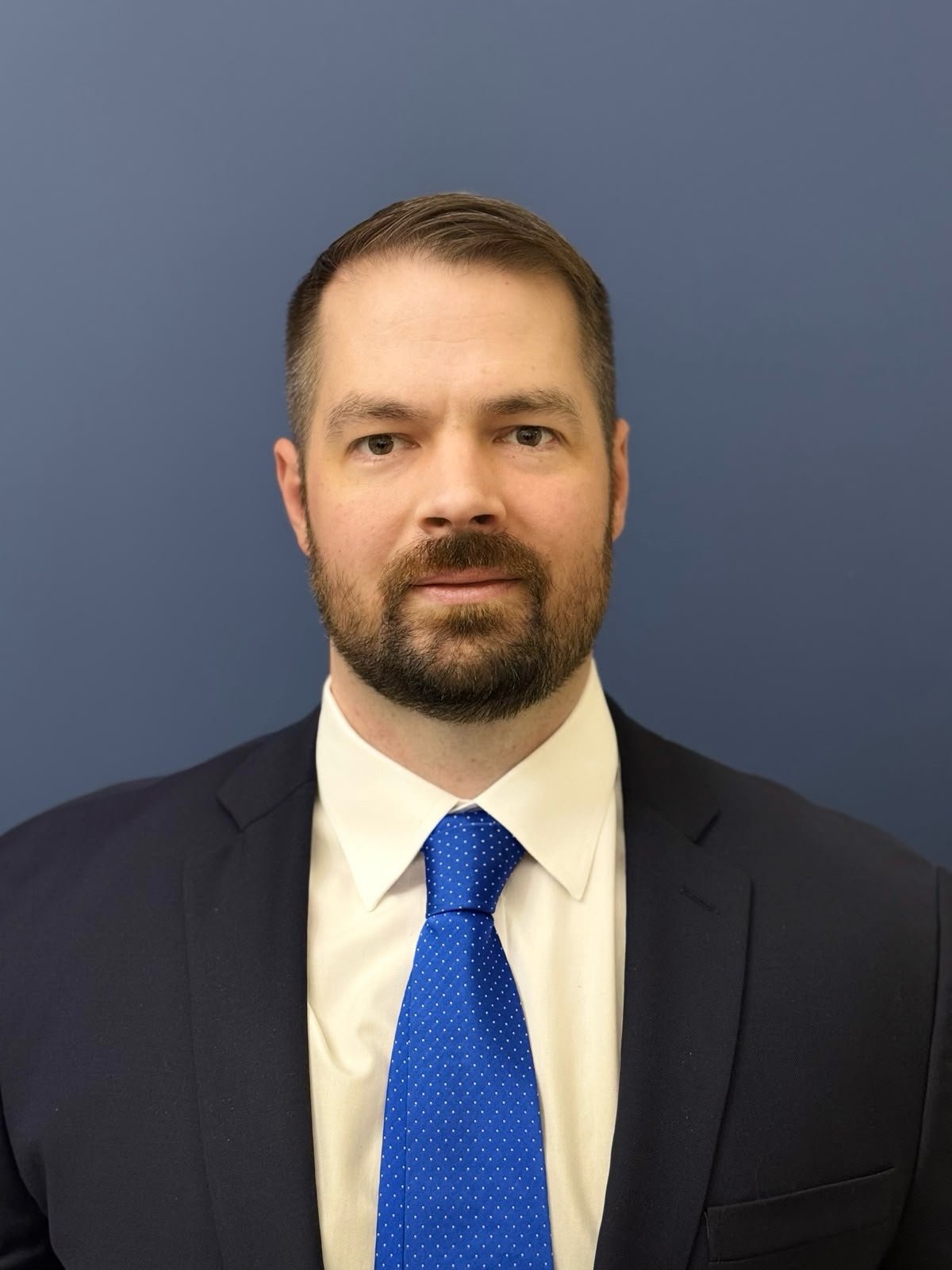
 Rob Lee
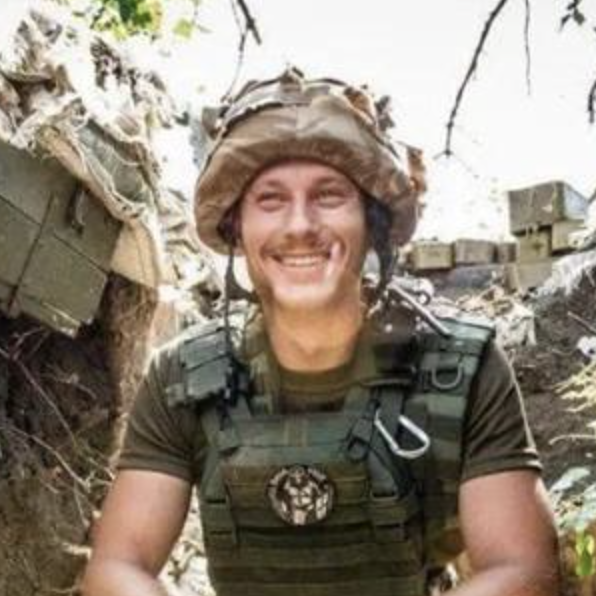 Ievgen Malik
Key takeaways
- 1The April 9th breakout was Mariupol’s bloodiest single night for the marines — around 400 men killed in one failed attempt to punch out of the encirclement. Three days later came the order that opened the path to surrender.
- 2The surrender was negotiated on a bridge — a Russian security-service colonel, a T-72 behind him, and Ievgen speaking for 90 men still alive at the Agla factory. The logic was arithmetic, not despair: staying meant certain death; surrendering meant “there is a chance to survive.”
- 3Defeat did not mean handing over tools of war. Before walking out, the marines broke everything — phones, Archer thermal optics, Harris radios, machine guns. “Everything that could be broken was broken.”
- 4The road into the system ran through Sartana and Olenivka — 830 prisoners — then a blindfolded flight deep into Russia, sold to the prisoners as “an exchange through Russia.” It ended at Ryazhsk prison, where the beatings began on arrival, before any questions were asked.
- 5Captivity was engineered cruelty: daily interrogations, torture implements, random violence as entertainment, screams down the hall, and a relentless hunt for “Western ties” — all fed by a propaganda machine Ievgen calls the nuclear weapon of the 21st century. His verdict: “Captivity is 10 times worse than Mariupol.”
Key quotes
“Captivity is 10 times worse than Mariupol… You got two different type of fears. You can feel the difference.”
Ievgen Malik — on which was worse
“I think approximately 400 guys were killed in the battle during the night.”
Ievgen Malik — on the failed breakout of April 9th
“We broke all our mobile cell phones, we broke all ammunition, Archers, Harris, everything we could break… So everything that could be broken was broken.”
Ievgen Malik — on sabotaging equipment before surrender
“In captivity every day I thought — why I didn’t shoot myself. That was like that. So, every day.”
Ievgen Malik — on the weight of captivity
Hi, Sam Cook, the founder and co-host of the Ukraine Military History Podcast. Welcome to the second in a three part series of our interviews with Ievgen Malik. This interview was conducted by Rob Lee, our co-host of the Ukraine Military History Podcast. And it starts with a very intense moment in the war. On the 9th of April, 2022, Ievgen Malik, a senior sergeant and 400 other Marines
from the 36th Marine Brigade attempted a breakout from where they were surrounded in the Battle of Mariupol and Ievgen Malik tells the entire story of how they went through this, took a huge amount of casualties along the way and how he made the personal decision to surrender himself and the soldiers under his command which started a two and a half year period of Russian captivity. So
This is again the first in a two-part series with Rob Lee conducting this really in detail and excruciating Story which you have any thankfully shares for the world to hear about exactly what is at stake here for Ukrainians Losing their country or surrendering territory to Russia has very real consequences And I think the story of Ievgen and Russian captivity should give all of us an object
lesson, a very personal one, in what the stakes are for Ukraine and why they continue to fight until they get a just and lasting peace. So I hope you enjoy the first of this two-part series with Rob Lee, Ievgen Malik, his story going from the attempted breakout, the decision to go into Russian captivity, and what that initial period in captivity really was like and what that means for all Ukrainians and for us
who are observing this war and the decisions that we could make based on this information. Before we start this episode, I just wanted to make a quick word to mention our sponsors. I'm going to give you a brief introduction for our sponsors and then at the end of the show, we'll do a longer discussion about each sponsor and what we're offering so that you can get right
into the content. So this podcast is funded by the Borderlands Foundation. The Borderlands Foundation is a foundation that I established to make sure Ukraine's heroes are never forgotten. And we have two main centers that are in effect the sponsor of this podcast. The first center is the Ukrainian Military History Institute. It's an English speaking and Ukrainian speaking center,
which is our mission is to translate Ukraine's history from Ukrainian into English for the world to consume and learn from. Ukraine has a lot of allies who've supported it. Almost all of them, the common language of military officers, military historians and professionals is English. So the Ukraine Military History Institute created and sponsors this. And I'll tell you all about our
programs and how you can support the Institute at the end of the episode. The second sponsor for for this podcast is the Ukraine Center for Traumatic Stress. This is also part of the Borderlands Foundation. It's a center dedicated to research and raising awareness and helping to bring in to Ukraine, cutting edge therapies, treatments, protocols, and education related to post-traumatic stress disorder.
The heroes of Ukraine that are fighting this war, whether they're Ukrainians or foreigners who've come in to fight side by side with Ukrainians. They're writing this history, which creates the stories, which creates a strong future country. And those memories have costs, so we're dedicated to helping advance the research, treatment, and breakthrough that all soldiers, veterans can have dealing with and overcoming post-traumatic stress disorder
and mental health that arises from their service. And then finally, our last sponsor is the Borderlands Group. This is a for-profit company that donates the money to fund the Borderlands Foundation and all of our programs. I'm also the founder and president of that organization. And we do military advisory, advisory for defense companies working inside Ukraine and consulting and software development and technical work for both governments
and military defense companies. So with that, that's our sponsors. At the end of the podcast, I'm gonna tell you a lot more about each sponsor if you're looking for ways that you can contribute to the Borderlands Foundation, our two centers, or if you'd like to work with myself, Rob and other contributors for this podcast, I'll talk to you about how you can get in touch with us through the Borderlands group for that.
Hello, everyone, I'm Rob Lee. I'm a senior fellow at the Foreign Policy Research Institute's Eurasia program, and I have Ievgen Malik with me right now. I'm gonna do a podcast about his experiences. Ievgen was a Marine in the 36th Marine Brigade. He fought in Mariupol at the beginning of the war. He then spent two and a half years in captivity and planned on doing probably two separate podcasts on his story.
And this one is gonna mostly focus on his time in captivity. I think it's quite timely because there's so many Ukrainian soldiers who are in captivity right now. So his story about how he was treated is quite important. It's also quite important given the talk about negotiations and about the next step of this war, about what it's like to be in Russian captivity, what it means to be in the Russian occupation.
I think it's quite an important kind of story to be told about kind of what the situation is right now and what it means to many Ukrainians. It's great to have a Ukrainian who's there to explain this in detail. So Ievgen, could you introduce yourself and maybe tell us a little about what you did in the war and when you joined?
Yeah, thank you, Rob. So my name is Ievgen. I'm 32 years old. I joined the Ukrainian army in the year 2018, in July. And since that time I served in the first separate battalion of 36th Marine Brigade, till the very end. made this war in Mariupol direction, 24th February, the year 2022. And yes, I got to the captivity in middle of April and spent there two and a half years. I came back to Ukraine in 14th September, the year 2024.
2024. And since that time, I got the rehabilitation hard, half a year because the injuries were really hard and half a year is the minimal time you need to spend for yourself to recover your health,
at least for the minimal level. We're going to do two different podcasts, one about the battle and And what about captivity? We're talking about captivity right now. So the situation to begin with, on April 14th is the day your unit surrendered.
Yes.
And to give background, you were a sergeant, so you were a squad leader when the war began. But by this time, the battle, you had about 90 people under your commands.
That was at the very end because I got the position I was responsible for. That was a position called Charlie on factory or agro-factory. So I was there since 16 March the year 2022. position we got 30 people, 30 guys marines and soldiers from 56th Infanter Brigade and three guys from National Guard of Ukraine, the 9th regiment from Zaporizhzhia City. But Due to the commands and due to the situation, our brigade surrendered on the 12th of April.
Battalion surrendered on the 13th of April. But not all people wanted to surrender to get to captivity. So they made some, they tried to escape by themselves because we got an order that, well, everyone is free to do what he think is more suitable for him. The majority tried to surrender because before this on 9th April 2022, we got, we tried to break the string in Mariupol and with all our brigade we tried to get to our troops
in Zaporizhzhia, but we failed and we got plenty casualties. I think approximately 400 guys were killed in the battle during the night. And that's why I stayed with my guys on my position. And during this couple of days, soldiers who tried to escape and they defeated in it, they came back, all of them, they were coming back to the factory and they found the only position
which exists at the time that was my position. That's why all these people, they were coming to our position because well, we controlled that small part of territory approximately two square kilometers. And at the end we got 90 people and yes, by due to the papers, due to the order, I was the main, I was the commander of the position, but there were plenty of of officers, we got even commander of our airborne company of our battalion there. So
that was like that. Yes, I was a squad leader, sergeant, and still I am.
So yeah, to give you context, at this point, President Zelensky had already signed an order for people in Mariupol to surrender? Or if you need to to protect lives, you're allowed to surrender, isn't that right?
The order was from Zelensky, as we know for sure,
the order was from Zelensky and Zdolozhny to make everything as possible to save the squad, to save soldiers.
So, and each commander was, each commander did as he thought is better for the squad. Someone decided to give up, to surrender. Someone decided to try to get to our troops. I know the whole company from our battalion which did it, managed and they came back to Ukraine. That was, I think, some kind of of a hierarchical part of this world because there was approximately 180 kilometers zone around Mariupol, which was controlled by Russians totally.
And the company with the battles, they managed to get to Zaporizhzhia and they got, I think, 60 people. and there was two officers who command them, the commander of platoon of first company and commander of first company of our first separate battalion. And they managed to get to the Parisia and that is something unbelievable because I didn't believe that that is possible. But we have to understand that a lot of our guys
who tried to do this, they didn't manage and they are dead.
And to give you context, so your brigade was made, was holding the frontline east of Mariupol when the war began. You fell back, and we'll cover this thing in the podcast.
You fell back, your 36th Marine Brigade fell back
to the Ilyich plant in northwest Mariupol.
Just north, because the Mariupol was some kind of, like, triangle, and we were on the top of it,
so that was not part of Mariupol. even though the city wasn't there, the city was 30% of territory and 60% was factories
and all of this, we were on factory,
the northern part of the city of the whole territory. And so 36th Marine Brigade was in the Illich factory, Azov Brigade was in the Azov-Stal factory to the south, and then as the battle progressed, the Russians cut off those two factories between themselves And then, you know, at this point,
I think the city had been encircled since early March. So resupply, logistics, all these things had become an issue and ammunition had become quite a big issue too. And as you're saying, the after-presidents once gave the order to prioritize kind of saving lives,
your brigade kind of command post, I think what was broke apart, right?
And then the battalion, and then it was based at you,
was you were not getting orders from anyone above you.
And that's the time when you started to,
you negotiated with Russian forces to surrender.
The situation was like, that this Azovstal factory was on the south of the city. And our factory, Illich, was on the north. Between them, there was a city. The city was hold by Russians in the middle of March. the middle of March, well second part of March maximum. 26th March we didn't go to the city at all because that was the one-way ticket. So we were cut from even from Azov regiment. About the
ammunition and provision from the big land there was no even any talk because we didn't have it from the very beginning. We were surrounded on the third march. We were totally surrounded. And yes, as I said, on 11th April, we got command, the last command from our officers, that's it, that the majority want to surrender just to save people. But who does want to,
to, may do any shifting, any decision they like. We tried, we didn't make anything fast. We wanted to just to see what is going on and what kind of chance do we have. We've seen attempts of our Marines to give up to Russians, just Russian soldiers that there there were no officers there, there were no one. And that was soldiers with a weapon, PKM machine gun. And they tried to kill the marines, our marines.
And we understood that we will not do this. On the 13th of April, at the very morning, we catch Russian soldier. because I knew that battalion and brigade doesn't exist anymore. So we made a decision together with all our troops on this position because I couldn't decide like one for all 95 people. That is impossible. That is silly. So when I got, we got the negotiations with the Russians,
there was a colonel, he said that he is a colonel of the security service of the Denysk Republic. So I came back and said that we got a chance to surround, to give up them and they won't do anything with us because their Their interest is to stop this fighting because if they will, there were 100 guys from our side, 100 guys from their side. And for them, well, yes, sure, they would destroy us for sure because they got everything.
They got planes, they got tanks, they got big artillery systems, et cetera. So we got just AK-74 RPG and PKM. So they probably won't even try to assault us. They would just bomb us. So but I rely on that that was a high officer of Russian side. And his interest is to bring us to his command and say, look, I got almost 100 captives. So I rely on this. And yes, they didn't do anything with us. We just surrendered and came to further locations.
And so in the context, there's a Russian soldier you captured the day prior on April 13th. 13th. Yeah. And he has his cell phone and you asked him to call his commander and then you talked to his commander on the phone. The situation was like that was 19 year old guy. He came by white civil car, Neva, small jeep, civilian jeep. And there were two soldiers. There was a little fight, little assault operation. one of them just ran away, escaped.
And this one we captured, he gave up to us. And when I saw him, I said, like, how did you get here? And he said, my commander said that there is no one here. Well, yeah, of course, the commander wanted just to, he wanted this guy to get in our hands because he understood that in these two square kilometers, plenty of Marines because that was the only position, the only sector they did not control in the whole factory.
So that was pretty much dangerous to go there with the platoon, for example, because probably we could kill all of them. So he just sent this guy, he said that, look just take that position, there is no one there. And well, I said he was crying so much. And at that time his wife, I I don't know. Well, you know, if woman loves you, probably she can feel something. She wrote a message to him.
And I've seen that his cell phone works. First of all, we said like, call to your wife and say that you're okay. Everything is cool. Like you are with your guys, with your friends and just to make her calm. That was his first call. The second call was from his commander. He called him and he was asking like, where are you? That was our first, my first negotiations. No one touched me. I didn't know how to do this.
So we decided to make a meeting on the breach. Everyone knew like, where is this breach? A month ago, they tried to assault our position in that sector. So they really knew they got plenty casualties there, more than 30 people. So they knew where this bridge. And I got me and four or five guys with me. And this colonel came with a tank T-72 and approximately 50, the special force sober.
And yes, we got the negotiations and I wanted to, my opinion was that, because I know, I knew at the time that they got plenty, they got more than 10,000 soldiers in Astoma surrounded. And I said to him, like, look, I can make a call and let's just make an exchange today on the frontline. just take us 100 guys and bring us back, you will get 300 or 400 Russian soldiers for us.
Just let me make a call. He looked at me and said, no one goes from Mariupol. Just if we were in Kherson or Kharkiv, we could do this. But Mariupol, he said no. And I didn't know why? Well, in the nearest future I discovered why. Well, we will tell about, we will speak about it. So, you meet up with this colonel, you negotiate with him, and you brought up five guys who provide
cover for you, and then after you talked you went back to the group, and also the context here is that before this your brigade tried to break out one time, they took heavy casualties doing so, and then one of the battalions had already surrendered. At this point, there's no battalion staff. That doesn't exist anymore. There's no brigade staff. All right, so you're on your own. You have a group of about 90 people with you.
You had 90 with you because these are guys who tried to escape and then they couldn't make it out. So they came back. And they came back to our factory and we met each other. others who failed, they stayed in the field.
But as a sergeant, you now are basically in charge of almost a company of people, right? You had that much responsibility and you're the one negotiating on their behalf.
So you talk to this colonel and you return to your group
and then what happened?
Yes. I came back and I said that, guys, there is a chance to survive. That's what I said. There is a chance to survive. If you someone who wants to survive, I will surround. So, firstly, approximately 40 guys said that we will not do this. We will fight, we will die, but we will not give up. I said, yes, guys, I really respect you. This is your choice and give us 30 minutes, we will go out and then you do what you think is better for you.
But probably in 5-10 minutes, this group of people came back because one of my support group, one of them was a guy from that part. and he told them what he has seen, and they changed their decision, and changed their mind, and they came back in probably 5-10 minutes and said that, we'll go with you. And that was the finish, because before that I gave a radio station
to this Colonel and said that give me like 30 minutes I will tell you our decision. Okay. And we will continue our cooperation. So I remember the time 14, 1440 PM we came to the Russian forces and we gave our AK-74 without any bullets, without anything. Before that, we broke all our mobile cell phones, we broke all ammunition, archers, Haris, everything we could break.
Archers are thermal optics and Harris is a US-made radio system. Yes, we broke everything, machine, all the machine guns. So everything that could be broken was broken. That was the story.
And you angered the Russians when you broke all of your equipment, right?
Especially for Archer, I thought that this guy is gonna shoot our nails for that, because really like we were smoking. And he came back with the broken Archer and he said, who did and he was really angry. The Russians at that at least at that period of time they didn't have such a technical stuff so that that was a problem but indeed that inventor well we were inventor they were inventor and they
were really glad that that was the end that they don't have to assault our opposition and they will be, they will survive this day 100%. That's why they were glad. They gave us a cigarettes. We were speaking with them. I even, there was a moment when I even started to argue with the sum of Soborz Cerzhan in some political team, but very quickly they mentioned me that like where I am, what is going on and that I have to be more calm.
So you surrendered at the bridge, right?
That was Northwest, I think, of the Illich factory.
Is that right?
Yes.
Okay. And then once you brought, you brought all about 90 Marines and Ukrainian soldiers with you.
Yes.
And then what happened from there?
Buses came. We got inside. And from this factory, we came to Sartana. That was the first place we got there. Sartana is a small village on the east side of Mariupol and they gathered there all prisoners from Mariupol. That period of time in that position, Nobody touched us, like even a finger. But guys from Britain and USA, I think one American guy was there also. They started beat them up already there.
Well, that is like the position of Russians as we say, everyone is equal, but even among the equal, there is someone who is the most equal. The same is here, Russians, they don't like anyone. They don't like any of their neighbor. But among all of them, there is someone whom they don't like mostly. That is Americans, of course, Americans. And I'm speaking about the Americans, I'm not speaking about Mexicans. They don't care about Mexico.
Most of them don't even know where is it. I'm speaking about United States, Canada, Britain. For them, that's all the same. They call all of you like Anglo-Saxons and consider you like a natural enemy. That's why in the year 2024 they captured all Europeans on the battlefield. But when they got this Australian guy, they just shoot him immediately. They didn't even bring him to Russia because for them, all these English speakers,
native English speakers, they don't want to see them alive. Well, at least these troops, Russian troops for sure. And we considered in that opinion in captivity and prison. So, they take you to Sartana. This is still in Ukraine. Yes, that is Donetsk region.
And you drove through the city. So, you saw the city was entirely destroyed, Mariupol at this point.
Mariupol was destroyed completely, totally. There is a funny story on the very beginning of March, first half of March, we got internet sometimes. And sometimes we got the news, my friend got the cell phone, he read the news, and he started to laugh. I said like, what's going on? And he said, listen, news from Kharkiv. The situation is critical, the most critical in the country, Russians attacked the city by air forces, bombed it 10 times a day.
And we were laughing because Russians bombed Mariupol 10 times while he read this story. They were bombing the city every 15, every 20 minutes. And that was during one and a half months. Just try to guess what was with the city, what was destroyed completely.
Sure. So when you get to Sartana, you said that they didn't... There was no real abuse there except against the British and American marines. These are British and Americans who joined the Ukrainian military and were serving before the war.
Yes, they were like usual professional soldiers. They got their contracts and they were serving... they served the same like me and others no matter the nationality they got they were trying to get the Ukrainian passport also some of them they just served in the majority of them served in the airborne company because the period they signed the contract the commander of airborne company he spoke English
fluently, even better than me. So the majority of them were like ear-borne. And then from Sartana where they take you? To Olenivka. And that was the beginning of our harsh trip, because when we came to Olenivka, well, no, that That was for us, that was the... we didn't know what is it. How is it to be a prisoner in your own country, not even as a prisoner or military prisoner.
So we didn't know any rules, we didn't know what will happen, we didn't know anything. So when we came to Olenivka, there were 830 soldiers, approximately. And when we came there, they started just to beat up us, all of us, each of us. So Bas is coming to the entrance fee and all soldiers had to go out one by one. There was a man, he had to check your documents, any documents you have. And he asked like, who are you? You are troops and you're...
It's like your rank, your position, and then what service you're part of, right?
Yes. And so the higher position you got, the higher rank you got, the more beats you got. The worst was for the guys from national guard. Everything what is connected with the national, in Russians opinion, that is Nazism. So National Guard in Ukraine, that is Nazism. National Guard in Germany, that is Nazism. National Guard in United States, that is Nazism. So everything what got the word national, that is for them, that is awful.
And guys from National Guard, they got really hard times because I've seen I got some friend, of them was my friend and I've seen what happened. Well, for example, if they beat me four times with the baton, police baton, my back and probably five times my legs. Well, for the guys from National Guard that was much harder. They beat them up, I don't know, probably 10 minutes each with the dogs and etc.
So you come up the bus one by one, right? And then there's an officer there who asks your rank, who observes your part, right? And then from there you go to the barracks. Before you get there, that's when the beatings occur.
Yes, so there was a yard between the barracks. and there was a corridor made of guards. And while you are going through this corridor, they are beating you with batons. Well, at that time that was just batons. And Olenivka was not so crucial as other places. That was just the beginning. And we didn't know what was going on. So we came there, they put us into the barrack. And there we got nothing. No water, no medicines.
We got nothing. We were just waiting. They feed us three times a day. Well, breakfast was 300 milligrams of tea and piece of bread. The supper the same and meal was like tea, bread, piece of bread and maybe 200 grams of porridge. Different kind of. That's it. So I spent there four days and then they started to, they made us to fill some blanks. And I read that it was said like, has to be shifted in Taganrog.
Taganrog, that is Rostov region, Russian territory. We decided that it's gonna be an exchange through Russia, but that was a mistake. So...
You thought that was gonna happen. You thought you were gonna be...
That's why I got the group of my friends, from my Marines. We were together in our position, Charlie. We were together in Sartana, in Olenivka. We tried to be together all the time. And together we just wrote all those planks. wrote all those blanks and went to Russian territory. That was on 19th of April, approximately. 19th of April, 2022.
And you said when you got there, you just took all your clothing off?
Yes. So we were totally naked. They checked everything. We couldn't have any any metal, any sticks, anything with us, any fires. So they just check out us. While that was going on, like they beat up all of us. Mostly they beat up guys from mortars, artillery divisions, tank operators, something like that. It's snipers too, you said. Snipers, you'd better don't give up if you're a sniper. Our sniper from our battalion,
they broke his fingers in Olenivka. But that was the last time I've seen him at home. So as I know for snipers, that even worse than for the infantry.
Okay, and you said some of the National Guard guys, they knock, they beat them so they're unconscious, right, at this point?
Yeah, but still these guys, I know my friend was with me till the very end. And there's no water, there's no toilet.
Right. You also mentioned when you were at the factory, because it was cold times, some of the guys were wearing the factory uniforms, right? Because- Yes, that's true.
Actually, yeah, because we came there on the first march, we were in the factory already. already. And because that was cold and we retreat, so we didn't have enough clothes. Some of us didn't have even military shoes. So we found some uniform on this factory that was quite warm and we used it. And some guys gave up wearing this uniform. And when these guards in prison saw this
civil uniform from this factory, they said that like these guys that they stole it from people that probably they killed some civilians and took this uniform and came here. So they were beaten up much more than others. So that was obviously that was ridiculous, you know. The uniform was from the factory, there was thousands of such uniforms and when we came first March the factory was closed already and
there was no any workers there because everyone knew that the war began like four days before the war began so everyone escaped and well yeah but for them, you know, that was just a reason to explain why are they doing this. Even ridiculous explanation was better than if you don't have it at all. So... And Olenievka, this is also where the Azov prisoners were killed later, I think in June.
Yes, Olenievka, that is the prison, that is true, the prison where Azov soldiers were killed. Russians said that that was a high-marth, what is also ridiculous. I've seen videos from Olenivka, I've seen these barracks and I have witnesses, our marines, who can tell that these guys are from Azov, they were just fired in one of barracks by Russians. Because Russians, they hate Azov. They just hate it. They don't want...
If you ask any Russian guard, he would say that they had to be just shoot and forget about their living. That's all.
So how long were you at Olenivka for?
Four days, I think.
Okay. So four days.
At this time, mentally, at this point, it's been about two months since the war began. a month and a half was in Mariupol under constant bombardment. And then now you've spent four days in captivity.
What's, and you said at this point, you still think you're gonna be exchanged, right?
You thought that you'd be exchanged in your future. Everything was obvious in the next location we came. That was, so that was prison number two, Ryazan region. Actually...
You went to Taganrog first, right?
Yeah, but we were there just... We came there to the airport, to the plane, and we came to Ryazhsk by plane. So we came from Dniester to Taganrog by buses. Then Russian SOBR, I think that was SOBR or Oman, that is police SWAT in Russian Federation. Yeah, so SOBR is SWAT team, Oman is kind of like riot police who also do guard duty. Also they got the military police. That's not special force, that's just the
militaries, but they work with us also. So this Russian sober, they got us, they closed our eyes by scotch. Like taper? Yes, yes. And they put us to this plane. Well, yeah, there were some funny stories. We hope that that is, that's gonna be exchanged, that we are flying home. But when they, one of us, one prisoner asked this sober guy to give him a
cigarette, that sober guy said like, what did you say? Are you crazy? You don't understand where are he beat him up and well I understood that this is not an exchange for sure. That we were going somewhere further. And we came to Ryazhsk, I don't know where is this airport because our eyes were closed. They put us in special trucks for prisoners. country got such trucks so we were in these trucks. The Avtozak. Yeah, it was Avtozak.
We were going to the prison, we were going so long and at that time I remember I was scared so much because I just then I realized that I am here in Russian territory, the biggest country in the world. I'm in Russia, they are leading me somewhere, no one just God knows where I am right now. And a couple days before I was shooting these Russians, I was fighting with them. And this is
Russia, this is not Canada, you know, there's a little bit difference. And because Russians are crucial and I was understood that the situation is not just horrible, that is something unbelievable and I don't know why I mentioned the film with Mel Gibson, this shooter...
Lethal weapon.
Yes, there was an episode when some criminals got him, prisoned him and they were beating up him, just giving some questions to him and they beat up him with the shocker as well. I don't know why I mentioned this film, I don't know why, but the captivity was exactly like that. It was truly like in that film, partially. So, So yeah, we came to Ryazhsk.
And so Ryazhsk is in Ryazan region of Russia. You flew there on Il-76 aircraft, most likely. And then you've been told nothing at this point, right? So you know you're in Russia, but no one has told you anything.
No one. Since that time, they did not say any kind of information because we couldn't, we didn't have a right to have any information. didn't know where are we, we didn't know the location, we didn't have to know even the date, even the time of day, so nothing. They tried to do this. But of course, you know, we got thousands and thousands of prisoners, so someone heard something from that place, someone heard something
from another place, from another guy, and we got some information. So we came to this Ryazhsk. And the thing is about this Russian prison, what you have to know. Each time you change the prison, you change the location, you come from another prison to another, they organize that the prison guards organize some kind of meeting for you to make you understand where are you, who is the chief
here and that was pretty, yeah, that was pretty strong. So you had that olenivka, you got off the
bus then before you get to the barracks the guards, you walk kind of through a gauntlet of guards, they hit you with batons and then this happened again this time. Yes, but more crucial because as I said
Russians are crucial. That is the thing you have to...
Cruel.
Yeah, I'm sorry. Yeah, cruel. They are cruel. That's type of nature. I don't know how to say this. In the situation, for example, British or Japan guy will not do anything with you. The Russian soldier, he will beat you. So when we came to this prison, well, first they made us pray. And then that Russian Guards, they took each of us one by one to some place. We didn't know, we just heard some screams and that's it. That's all what you...
You just hear the screams all the time. And when you're on the drive there, in the Optizok, in the prison vehicle, it's your individual kind of container, right? So it's like solitary confinement almost. It's got three, four hour drives.
The prison, you're not totally a thing. You get off the bus. Close eyes. They opened my eyes just inside some room. So from the very beginning, I didn't know even what is this place. I discovered that this is the prison in Ryazhsk much later.
So when you get off the bus, if you describe it to us, so you're blindfolded, right? And then you're made to bend over the entire time, right? So you're walking with your hands behind your back, you're bent over, is that right?
Your hands are in front of you, it's...
Zip tie on it, so yeah, they're bound.
Yeah, you got this zip tie. Your eyes are closed, just two guides, they take you and lead you inside. Then they put you on the knees, take off this stuff. Zip tie. Yeah. And they just make you, you are standing on your knees. They put your head on the floor so you can touch it. And you just hear all the screams that someone is beaten up. And they, different, you know, you hear these different comments, they are crazy about these national
Russian songs. Katusha, Dvachka Smuglyanka, they made you to sing this, they can make you sing a national national song and etc. So that you are doing this till the time another Guards take you and lead to some other place. They lead me to the second... no, that was the first floor. They just bring me out from the room to the corridor and made me take off all the clothes, so I was naked.
After that, what is going on further? First of all, they lead you to the cabinet with the doctor. The doctor has to check out your health. It's just she's making a view, like she looks at you and if she sees that you got some broken bones or something else, she says like, she makes a movement that doesn't touch him. But if you are okay, if you look okay, then she makes a sign that you can work.
Then they bring you to another cabinet. They lead me to the cabinet with the documents. And what you have to know is that since that time we stand and we walk self-bent. All two and a half years. Self-bent.
You bent over.
Yeah. Yep. So, I came there. Because you are self-bent, you don't, again, you don't see anything. They, you have to like, to walk with the closed eyes. That is the order of guards. You can't look at their faces. You can't watch their eyes. That is denied.
Right.
So I came inside the room and I've seen like the table with the documents. There was like passports and military passports, IDs, all of these, credit cards, and some men in blue uniform. That was... They are well known as VSIN. that is a federal institution of prison. It is, yeah, exactly. They got the blue uniform. And military and police squad, they got the black uniform. Or something like Multicom.
The guy, the guard who was leading me, who was with me, he got the black uniform. So I think he was from Sobor or something like that. Or maybe military police. And so the guy inside the room, he asked me, do you see any of your documents? And I said, I got just military passport, with me just to, so I would have official document which represents me, who I am. And I said, yes, I can see. And he said, he asked my rank, I said, Sergeant.
And the guard then, the guard said, He asked me, like, you're a sergeant, are you a squad leader? I said, yes. He said, did you shoot in our troops? Well, at that time, I was still, I didn't understand what is going on. And I was a little bit more brave than I heard that. So I said that I said that I was fighting with the soldiers, like as usual, because I'm a squad leader of Marines.
You give an honest answer.
Yes, obviously I did. And he said like, you're done. Well, that was not so polite as I said right now, of course, in Russian language, that sounds in another way. And he lead me further from the cabinet to the corridor, but I didn't see anything. And then he stopped turning me on the right side. And then I heard that, hey, guys, this one shoot our guys, our crews. And I thought like, what kind of guys?
I put my head up and I've seen the corridor with this special force, approximately 10 soldiers and I'm alone and they all of them are watching me. And I was like, God, and he led me through this corridor. He beat me up, well, my head, my legs, everywhere they could. He put me on the chair in some room and there were Russian prisoners, they were making a job in this prison and the prisoner tried to shave me with the shaving machine to make me bald.
But while he was doing this, these quads, they were beating my face so he couldn't do it properly. But sometimes, but he had to shave me and the special force, they wanted to beat me up and they wanted more. So they make him wait to go out from the room. They put me up and started to beat me. I made some block and they didn't like that. They said, stand still, put your arms down. I did it.
And they just started to beat my face, beat my head, beat my liver.
And this was with like a baton, right?
Police baton or... No, at that time, no baton. They just... That was the very beginning, you know, when they are tired.
Right.
Yes. They started to use the baton. But at that time, they just made it because, you know, the special forces, all of them are sportsmen. So... They're punching you with their fists. Yeah. They just having fun with that. Then they put me to another cabinet. There was some, I think, detective. He started to make questions. Like an interrogator. Interrogator, yeah. With the balaclava, of course, all of them were with the balaclava.
So he started to ask me questions, fast questions, like my rank, my second name, my military name and my position. He showed me the map, asked me a couple of questions. I showed him and he understood, I think he understood that I know the map, that I can understand, explain something on the map. That is pretty important to know the map. And he made some plus and then, and all the time I was answering his questions
And at this time, guards were beating me. There was blood everywhere. And then he showed the guards that, that's it, you can take him. He led me to the corridor to continue all this game. And at that time, some, some, another guard, I think that was an officer, he took me and said that that's enough for him. and he leads me to my room. And he said that, you know what, like, that is, indeed, that is good, that you said that you should.
That you should, he shot at Russians, that you were honest about this. Yes, that you were honest. And that is, the thing is, which you have to understand, in prison, in Russian captivity, you may say lie, But if they will discover at least once, then they will speak, yeah, they are cruel, but that would be much worse after that. So in case you can say truth, at least about yourself, so that is truth, your truth about yourself,
not someone else, but about yourself. About what you did, and just the honesty was the best. You would better to be honest because they respect honesty and they disrespect lies. So be honest. If they want you to sign some document, you will sign. If they want you to tell the truth about yourself, you will tell the truth. The question is the time and the amount of punches you will get.
But at some point you'll break and you will just do whatever they want. They will break you anyway. Don't even dream that... I... you know, the experience is that they will do everything they need from you. and you have no chance. Because this is the story of all this empire. It was built on the prison. We were, I will tell further, in Mordovia, we were in prison, which were built in ancient times for the foreign prisoners in a very small village.
The village was approximately 5,000 people and there were two prisons in that village. And just try to guess what were doing all these people who lived there. They worked in these prisons, their fathers worked in these prisons, grandfathers, and then since the Yekaterina, they were there. So they know what to do. They are the best in this. The story of these jails is even longer than the story of United States. So just try to guess.
They will make you to send any document they want. That's just a technical question.
So they take you to a room, right? That's the room you were staying the rest of your time at this prison, right? And it was you and six other POWs with you, right?
Yeah, in my first room there was six prisoners and that was 20th of April, I suppose. because we didn't know where are we, we didn't understand anything. I just saw a window with this iron bars. We didn't even know that that is a prison because we are military prisoners. What are we doing in the civil prison? But next day when it started, next day we understood was going on. And I understood why soldiers from Mariupol don't go anywhere.
We heard from the very morning like at 9 or 10 a.m. they started to come inside to come to the rooms. They just named one surname and put that man somewhere else no one knows. And we started to hear the screams. And And then we got that, you know, some guys said that, some guy in my room, he said that, don't worry guys, in one month we will be at home. And I said like, which month? Are you kidding? You don't understand what is going on?
In Mariupol were killed tens, tens thousand people. They were killed. By whom? And he said, what do you mean by whom? Like, by Russian Air Force. didn't you see they were bombing this city one and a half months? I said, yes, of course, you will go to that room, to the interrogators. You will say the same things and we will see what is going on, what will happen to you next.
And that was the truth. So, all the interrogation, we were there 10 months in Ryazhsk. All the interrogation was about criminal orders of our command and all the military criminals.
What they were asking you, because they assumed you had received criminal orders and that they assumed that basically there was, you know, a lot of kind of criminal actions occurring and they wanted you to kind of confirm what they thought.
But again, you have to understand how it is going on. You come inside to the room, there is an interrogator, one. And there is one or two guys from Sobor. What are they doing there? They are with the batons, they are with the shockers, and etc. And the interrogator, he asks you like, have you ever heard a command to kill some civilian? Of course, no, because in this factory there were no even civilians. Like that is ridiculous.
What do they do there? One and a half months in the biggest factory, like the city, you don't have any food there, you don't have any water there, you don't have anything there. What are you going to do there? So of course not. And after that you got this sober works. they start beating you up with shocker and et cetera.
And shocker, it's like a teaser, but they also have a baton that has a teaser. At the end of the baton.
Yes, yes, they got different, because look, they got the special ammunition. And ammunition they bought, because this is a governmental ammunition. If you break it, you have to write an explanation, and work with plenty of papers. Why do you need this? If you can just buy it for yourself and use it how you like. So yeah, so from the very beginning that was like that. But then further,
when they got, for example, they were making their source and they choose some people, I think that was probably a third part of all prisoners whom they truly torture. That was something like special. If they want you to sign some document or to tell something they want to hear, so they They bring you to the room and you sit down. They zip tie your hands and zip tie your legs. And then you see the table. On the table there are needles.
That's for your nails. Then you got shocker. The hand shocker.
A taser, I guess we call it.
And then that's some kind of special shocker that has a box where you can control the power. They put some links to your ears.
We call it electrocution. So people are electrocuting you.
Something like that. Then you got a police baton, but also you got some kind of plastic baton. That's all the same. can buy it in some building shop. Very strong thing if you want to make harm to someone. It's like, and you explained to me before, it's like a plastic tube. White plastic tube with probably 5 millimeters. Right, so it's not that large, but when they slap you, hit you with it, it would like have a burning sensation. Yes, that's true.
Look, police baton is fat. I don't know. So when they beat you, yeah, probably they can break some of your bone, but it's not so painful if it's a plastic tube because plastic tube is thin. So the power on your body is much higher than if it would be a police baton. Firstly and secondly because of plastic that makes you to feel a fire pain, something like that. Especially if you don't have any clothes on yourself.
So if it's just your skin, that's horrible, that's awful. And- It's also mentioned before that, they don't wanna break people's bones. They're not trying to- Yes, yes, of course. Because obviously they don't wanna actually create permanent injuries, but- They don't want to work with you to bring some doctors to you, because that's gonna be a problem. That's why they don't, they try to kick your arms and kick your legs mostly,
because bones are pretty strong, but painful is... There's a lot of flesh in your leg. That's why you can beat it a lot without breaking. That is, yeah, they are, being this part of leg, tens, tens times, they just got one place and they start beat you up like tens times. Same point over time. Yes, and that is horrible because, well, just try to imagine, today you got an interrogation, you got 30 punches on your leg.
tomorrow you got to the same interrogation in your leg, it looks like as if it's broken, but it's not. And they start to do the same and you got three, four days like that. That's horrible pain. I didn't know. Well, I read about, you know, Roman legion in ancient times, they got this penalty, the worst penalty is called determination. Decimation. that was the way the Roman legionaries were killed by the sticks. And I thought, why the sticks?
Like, why not knives? Like, there is not a lot of blood. That's just a stick. But after the prison, Russian prison, I understand that the stick is the worst. So.
So when they bring you into interrogation, right? So first off, you never know how long it's gonna last, right?
How long does this typically last? Yes, well, it depends. If they try to, well, if they want something specific from you, they can work with you three hours, no problem.
So three hours, in which the guys the entire time
are basically either beating you with batons with these kind of plastic tubes, electrocuting you, right, in the head, other parts of your body. Yeah, then you got-
You said they also put needles under your fingernails.
Yes, yes, and that is the lightest version that does it from the very beginning like well, that's not so
Comparison to other stuff that that's not so what was the worst?
Stick the plastic the plastic things. Okay, the plastics and shocker well for me shocker But I think probably well, I know the plant Plenty of guys our prisoners. They were okay with the shocker for them that was like normal, they got used. But for me, I don't know why, maybe that's because of psychology, but I hate this show.
But I mean, it's attached to your head, right? So they're electrocuting from up here, is that right?
No, basically that is because, you know, they were beating up us every day in Mordovia and the shocker was every day. and they didn't beat you at that time, period of time. They didn't beat your head, your ears, no. They just, they were beating up.
You said during interrogation, they would put things on your head
and so there'd be electrocution that way too. Yes, but that was, as I said, not to everyone. That was to the special continent. So, guys from National Guard, snipers, et cetera, artillery, smartars. So, I mean, you weren't getting it as bad as these other guys. No, no. No, I was lucky, as I said, I got my team, we were together till the end, and we got to this prison together. So, when they were asking me some questions,
and I was like, I respond, and the last question, who can, who was with you at that time? and who can confirm your words. And I said like, well, five guys here in the neighbor rooms, you can ask them. So. So how critical was that for you just surviving this entire ordeal? You had the guys you've been with the entire time, you knew well and so on. Ryazhsk was a scout camp according to Mordovia. So that was pretty. The next place you were sent to.
Ryazhsk was pretty normal, you know, that was not so bad. And more.
As you were saying, basically, you thought when you're in Mariupol during the battle, you thought that was the worst thing possible.
And then every... Captivity is 10 times worse than Mariupol.
Right. So when you're getting bombed every day by three Russian regiments, Air-Russian regiments, artillery, everything,
that any day in captivity is worse than that. I would say that, you know, that is two different things. You got two different type of fears. you can feel the difference. So when in Mariupol, they tried to kill us, when thing attacks you or air force and you feel this afraid, kind of afraid that your organism tries to explain you that you have to survive, that you have to escape somewhere. And you can make some movements,
you can shift yourself somewhere, you can make some decision. So you are still, even then, you are free. But you are scared, yes, because you can die. Of course, that's normal for people to scare for their lives. But in captivity, that's totally different. You know that you will not, you won't die. They will not let you to die. But the way of life is such that you'd better to die. Something like that.
Right. Today I can say that yes, thanks God I survived. Everything is perfect for me. But in captivity every day I thought like why I didn't shoot myself. That was like that. So every day, well first again, Nersk, that was for me, that was normal. Well, it became comparatively normal. Yes, yes. Because it got much worse. Exactly. So yeah, because at that time they didn't beat us up just for fun. Well, in autumn and
winter, the year 2022, they started to do this Russian words. They, how many, maybe three, four times they beat me up just for fun and that was pretty much cruel. Your legs are becomes two, three times bigger and you got this... you can see the blood under your skin. Right. Yeah, it's not like... that is not the kind of fight in somewhere in a bar with another guy. You cannot protect
yourself. You cannot even block these kicks. You have just to stand and to wait when they will stop it. And moreover, your eyes are closed. So, because this is the command. You don't see the strikes coming. You don't see. Yes. So, if one of them will try to kick you, to punch your liver, there's gonna be You can't protect the cancer. Yeah, you can protect it and you can feel as if Mike Tyson did it.
Right.
Because you didn't see it, you didn't expect it, and you don't need much in your body to make you suffer. That's like this.
So, what was the normal day like in Ryazhsk?
Ryazhsk, yeah. Like from morning to evening? 6 a.m. you have to wake up, you have to clean your room to prepare your bed, then you got the breakfast, tea, piece of bread, Porsche, then you got this morning check like from 9 to from 8 to 10 a.m. approximately they were checking all
the rooms so the guards come into the rooms yeah exactly and what did they do
during this time they were just checking the room they were checking don't we have any iron okay weapons or anything like that yeah okay just basic person Yeah, and sometimes if someone was breaking the rules, they could beat up the room because of it. Then, but that was like occasionally, it's not every time, every day. Then they got, But after this checking up, they started to work interrogators since 11 to 5 or 6 PM.
And during this time you got dinner from 12 to 1 PM. Lunch. Lunch, yes, lunch. You got on this lunch, you got some soup, borscht and tea with bread. Not a lot, so just like soup 300 millimeters, of course water with the potatoes. 150 millimeters milligrams of porridge and 250 milligrams of tea. That's in average. But the thing is that when the Russian prisoner starts to give you food,
he's coming to the corridor, you got for example like 10 rooms there and you got six eight people prisoners in each room. So he I don't know what is the reason probably they can't count or they don't know what is this math, but they couldn't count how many milligrams do you need in average for each plate? So first room got approximately 100 milligrams of porridge and soup. And the last camera, the last room got half a liter. So that's like that.
That is why we got some Ukrainian prisoners who are coming back from Russia, and they look like as if they are already dead. You can't even... So skinny, like in, you know, fascists, like Nazis did this the same 70 years ago. That is the reason. So and yes interrogators, interrogations.
But the interrogation should be one person at a time, right?
So they got, there was four floors in on each floor. we got one, we called it quest room.
Okay. So the room for the interrogations. And so they were working,
like there was four interrogators working together.
And how many prisoners were there per floor?
I know that in the hall,
there was approximately 220, 230 prisoners. Okay, so there's four floors, right?
Yeah. So probably 60, 70, something like that. In average, yeah, something like that.
And your room is right next to the interrogation room, right?
Yes, I've been in the room number 19, and it was the next room after the interrogator room. And that was the period, the end of spring and start of summer, it was hot, and the windows were opened, and we heard everything, like from the very morning to the very end of day, we heard every day during three, four months, we heard the screams, screams, screams. And now every time, because every time the door was open
in our room, I thought that I'm gonna die immediately just because of this. Because it might take you to the door. Yes, yes, we didn't know what do they want and that was so scary, just because you don't know what is going on, what will happen to you. And it could just be a regular check, but you don't know if they're pulling you out, you're gonna be tortured or not. Yes, sure. I remember one situation, funny situation.
The interrogators were working and windows were opened, of course, and we've seen outside some granny was going with her granddaughter. She took her from school, probably. I don't know if the girl was eight years old. And they heard these screams. The grandma stopped, looked at the prison, and she said, they could at least close the windows. Turned around and went on like this. So I think the whole city heard
and the whole city knew what's going on, that they got Ukrainian prisoners there. I mean, because these towns, it's the prison is the main kind of job, I think, for these towns. I think that Ryazhsk is not a village, that is a city, a small city, but a city. And I think they have something more. But in Mordovia, that was the place, the town is the prison. The only thing you can make are land worker, farmer, or work in prison. That's it.
And you go back to the questioning.
So the Russians, they're asking what, a few different priorities, right? These are interrogations. One was about what kind of criminal orders are you done? What else that they were asking about? What kind of organizations are you part of?
There was a lot of, you know, interrogator was, were from different organizations. There was military interrogators. there was a scout interrogation, FSB, plenty of times. And I remember there was some, I think, interrogator from GRU, that's military recu...
Intelligence, yeah.
Yeah. So they were interested in all our contacts with NATO and USA Army. So all military studies, if we got some relatives in Europe or USA, if we got some friends in NATO armies, in the USA army, if we got any type of contacts, they were asking us about our political attitude to Russia and USA. especially they were interested in, I think, they didn't know so much about United States, but I think that they have some trigger
for American Democracy Party. Something like that.
Democratic, okay.
Because for them, they know that Russia is authority state. There is no democracy in Russia. They know this, and for them, that is okay. And they...
You think that they had issue with the Democratic Party of the US because they assume democratic meant democracy and they associate those two things.
I think that the way Americans would like to see democracy in the whole world, the same way Russians would like to see authority regimes in the whole world. And that is not just Putin's opinion, that is opinion, even the last, the lowest soldier in the Russian army. They are fighting for this.
And you were saying also that they checked you for tattoos. You told me that you had deleted your social media before the war, right? So there was no online presence for you.
Yes, because they were checking out all your social media. you have to write on the paper, your Instagram, your Facebook, your any other type of website. But just because I don't know why I deleted everything and I got just Instagram website with the name Shrek and no photos of mine. So I was totally non-social person during that period of time, but guys who got, for example, some Ukrainian national flags on their websites,
or if you got this American flag, that's like, you know, you're an enemy of government, like immediately from since this time. And they, this is the way they made it, they choose these victims, you know, they have to make a statistic. For example, 30% of Mariupol soldiers, Ukrainian soldiers, are criminals and terrorists. They need to make such kind of
statistics. So how should they choose these victims? They have a quota and they've got it basically.
Yeah, yeah. They will see if you got some tattoos, if you got some websites, that is obvious that you are pro-Western, pro-democracy person. They will make you a victim. They will make you to sign documents that you did something. Just because you see that you are their enemy and they will make you... they will get some profit from you.
And you also went before that. The interrogators believe that you guys were committing war crimes. You were killing civilians.
Firstly, yes. That is something unbelievable. When we came firstly, they truly believed that we were... Some of them said that we were eating children even. Even though that we were drinking blood. I don't know. They were so crazy. They were truly ridiculous in that way of thinking. We didn't understand how can they believe in this? That is enormous, even to think about it. But they truly think that it is true.
Do you think that contributed why they treated you so cruelly is that they actually believe the propaganda you're doing?
This is the thing of propaganda. So yes, propaganda, that's nuclear weapon of 21st century. All this worries about propaganda, just they made by this propaganda, they made Russians to believe that Ukraine is, I don't know, what could they say that we want NATO or what else, they got non-governmental interiors governmental interiors and social media people who tell another kind of story.
They tell something even more. For example, Putin can say in official media that Ukraine is enemy of Russia because Ukraine tries to go to NATO and we are fighting with NATO. And someone else who is, for example, some YouTube podcaster who got 2 million followers in Russia. He says something more. He says that Ukrainians tried to create a nuclear weapon to destroy Russia, what is false, of course, because, well, we got 10 years of this war.
If we would like to make a nuclear weapon since 2014, we would cut this weapon already. That is obvious. Like, we don't have it. Why? Because we don't do this, but they truly believe that that is so. And now it's just, for example, I can put such examples like tents for you if you like.
And you also did interrogations, they also use plastic bags, right?
Yes, that was something. Well, for people who got this, who afraids the small rooms, small elevators, for this is claustrophobia. Yeah, exactly.
Being concerned of confined places.
If you got this claustrophobia, well, I know my friend, one of my friend, he got this kind of torture and he got claustrophobia and he is crazy about it.
What did they do to him?
They just tied his hands, legs and put this back on his head and he couldn't breathe. And just because of it, that works more on your brain than on your body, but that is even worse. So he's just, he's almost crying when he hear the plastic bag because that is really hard for such people to survive this just because of this claustrophobia.
I mean, so in the interrogation, you were saying they would beat you with the kind of plastic tubes, batons, they'd use needles under your fingernails, tasers, both like up on your head, also just on your body. And then they'd also kind of use plastic bags so you couldn't breathe. And then you also mentioned they had,
they would bring a water bottle too.
And what was that for?
Well, two ways of using it. First of all, if you lose concussion from the pain.
Consciousness.
Consciousness. If you lose consciousness or because of pain, they will take you back into this world with this water because it's cold.
That's how they wake you back up again.
Yeah. And the second time, well, that's another kind of torture. They put you on the floor. They put some sweater on your face. Oh, and they put water,
So they waterboard you then?
Yeah.
Okay.
Exactly.
I know one officer from our airborne company who survived this kind of torture. And that was, you know, each, everything of it, that is easy to speak about it when you, after all, but that is so hard to feel this when it's going on with you, that is,
Well, truly, needles under the nails, your nails, that is not so horrible as this water, this shockers, electricity and these batons. So just try to imagine how painful is that, how harmful for your psychological, for your psycho is it.
Sure. So... Who is that just other people? Again, to the officers. Okay, because the officers got worse.
Yes, that was FSB who did this. With our officers in major cases. So that was, yes, that was Ryazhsk. But as I said, Ryazhsk was a scout camp comparison to Mordovia.
So you were in Ryazhsk from end of April until February 7, 2023.
Yes.
So 10 months, basically.
Exactly.
Hi, it's Sam Cook back here again. I hope you enjoyed this first in the two-part series of Rob Lee's interview with Ievgen Malik. As always, please understand, please remember that this is posted both on YouTube, where there's a full video interview. If you listen to this on your podcasting app, you can also go back and re-watch this on YouTube. And if you're watching this on YouTube and you'd like to be reminded of all future episodes
that come out, go ahead and download or add us to your podcast app. Find the Ukraine Military History podcast and every time an episode is released, you'll be notified and you can go back and listen to that episode or watch it on YouTube, wherever you prefer to watch it. If you'd like to download a transcript of this episode, you can go to our website, ukrainemilitaryhistory.org. You can find all of our episodes, find all of our show notes,
link to everything that we mentioned in this episode and all past episodes, and you can share this interview with your friends by sending them to our page. You can also sign up for or contact us on the ukrainemilitaryhistory.org website. Sign up to our mailing list to be notified in your email inbox of all future episodes. Thanks again for listening. We look forward to seeing you on the part three of this three-part series with Ievgen Malik.
Thank you for listening to this episode of the Ukraine Military History Podcast. I promised you at the beginning that I'd tell you more about our sponsors if you'd like to find a way to support the Ukraine Military History Podcast, the Borderlands Foundation more broadly, or if you'd like to work with myself and the contributors, the editors, and the guests that come on this show. This podcast is produced by the Borderlands Foundation.
The Borderlands Foundation has two main initiatives. Our mission at the Borderlands Foundation, it was founded right after the war started in 2022, is to make sure that Ukraine's heroes are never forgotten. And there's two things that I'm passionate about helping Ukraine do. Number one is build a strong future for Ukraine, for my family that I'm raising here in Ukraine, through national military history study and education.
I believe that nations, great nations are founded and sustained and grow in strength based on the stories that those nations believe together about their history. And Ukraine has had a very complicated history. It's a very old country. A lot of people don't understand that Ukraine's 500 years older than actually Russia, as Ukraine was around before Russia. Ukraine was founded by Vikings that moved
to this part of the world in the eighth and ninth century and were traders and became rulers of the local Slavic people. So Ukraine, Kievan Rus, was an ancient and the most powerful empire in Europe. And Ukraine's history is very controversial. Through the years, Russia has appropriated it, stolen it, called it their own, and then tried to change Ukrainian history to make it their own, this great rich heritage that Ukraine has.
So our mission at the Ukraine Military History Institute is go back through history and reclaim Ukraine's great military history tradition. because Ukraine's military history tradition encompasses almost all the great military traditions in the world. It started out interfacing and competing with the Vikings as well as Constantinople, absorbed those traditions over the years.
It became part of the Russian military history tradition, the great Polish-Lithuanian Commonwealth, and then the Ottoman-Mongol kind of Crimean Tartar heritage of Genghis Khan's great military tradition all fused, competed, and created this unique military history tradition inside Ukraine, which I call the Ukrainian Cossack military history tradition, which takes from Western
military history, the German, English, American mission command, NATO mission command school, as well as the good things, hopefully, and leaves the bad from the Russian school, deep battle, and a lot of the positive things that have come out of the Russian military history tradition. And our mission is to help with the world's best military history center studying the current war going all the way back into history throughout Ukraine's history,
starting battles from World War II that were fought in Ukraine, you know, World War I, the first Ukrainian independence period from 1917 through the Russian Civil War in 1921, back to the Cossack period. All the way back, Ukraine has a great and unique style of fighting and tradition of fighting. The first written constitution was written by Ukrainian Cossack class, the warrior class wrote down the first declaration of rights in history, in modern
history, which founded the enlightenment, led to the American Declaration of Bill of Rights, the Polish constitution, and a number of other declarations of rights and constitution. Since then we're all inspired first by Ukraine's declaration of the rights with Pep Orlach after the defeat at Poltava at the hands of Peter the Great. So understanding Ukraine's military history
tradition is a passion of ours and every author who comes on this episode who publishes a written work we actually pay those authors. So if you want to donate to support the authors you can donate to get access to anything that's been published in the Ukraine military history membership site which we're going to be releasing soon where people who write about the current war or things
from the past in Ukrainian military history or some military historical case study that can help Ukraine think about how to fight and win and innovate in the current war. All those authors are getting paid by the center. I want to encourage great scholarship by paying Ukrainians to write their own history and other people want to contribute to pay them to build this body of of work and knowledge at the Ukraine Military History Institute.
So when you donate to support this podcast, we have production costs. It helps us pay the offer that we come on and interview about what they've written or what they've done. And then also just pays for all the production costs, the social media, the distribution, and everything that you enjoy about this podcast. So that's the first way you can support the center. The second big way you can support the center is we have
and are building a Heroes of Ukraine Tour, which is gonna be a custom program that we're developing, which takes people who wanna come in and see the battlefields of Ukraine from the current war that have been liberated. We can take you to different battlefield sites. The Battle of Kyiv, which we've studied very well and have a lot of material, people who've studied that and can show that to you. Or if you wanna go out to other sites,
battles that have in territory that's been liberated in Kherson or Zaporizhzhya or other places out in Sumy or Kharkiv province, we can take you around to those sites. This is something we're developing. We want to launch this if and when the full-scale fighting with Russia pauses. We believe this could be a much bigger tour that people can come and come on a tour just by an individual seats and over a couple weeks
meet people from all over the world who want to see Ukraine. But before we do that, public version of the tour where anyone can book any number of seats at scheduled times. If any of you would like to have a tour of the battlefields of Ukraine that have already been liberated and are safe, we don't do war tourism to active parts of the fighting, but we do do tours, historical staff ride battlefield tours for military professionals, government
officials and or business leaders that would like to understand what has happened here. you can contact us about the Heroes of Ukraine Tour. So that's the Ukraine Military History Institute, which pays for and produces this podcast. The next sponsor I'd like to discuss is the Ukraine Center for Traumatic Stress. This is a center that is near and dear to my heart because of my past service in combat. As a soldier, my study of history
and the history of psychological trauma that comes from serving in combat, personal experience of my own overcoming my own struggles with it, is a center dedicated to helping advance the research conversation and funding of breakthrough technologies and treatments for post-traumatic stress disorder, which affects a number of soldiers who've served in Ukraine. And we want to make sure that they recover psychologically to become productive, vibrant
leaders in the future of Ukraine. This is headed by Major General Vladislav Klutchkov, retired the former commander, the first commander of the Moral Psychological Support Forces of Ukraine under the commander chief, President Valeriy Zaluzny. It was a new position that he created right before the full-scale invasion. And General Klutchkov has written his PhD on military psychology of a soldier and is
passionate about advancing the study and the treatment of this disorder for Ukrainian veterans. This is a podcast that we're going to be releasing very soon in Ukrainian, translated into English. For those who are not Ukrainian that want to listen in on the conversation and comment on it on our social media. But the interviews will be conducted in Ukrainian to advance and start the conversation for
Ukrainian veterans, mental health professionals, and government officials who are working on this problem, which we believe is critical to solve for the future of Ukraine. So if you'd like to donate to support that podcast, to help us produce and start that conversation, or if you'd like to inquire about donating to supporting specific veterans going through different treatments, workshops for treatment of PTSD, you're welcome to reach out to us.
The center also has a rehabilitation through golf program where we pay for Ukrainian veterans to play golf and go play in our annual Heroes of Ukraine Freedom Summit Golf Tournament, which will be held next year in Dallas, in the United States in March. And this is a very important program that you can also take a look at sponsoring veterans in their journey to mental health recovery. So that's the Ukraine Center for Traumatic Stress.
And then finally, for those of you who watch this podcast, that you see our co-hosts, some of the guests that come on there, all of our podcasts are filmed in Ukraine. The reason we do this is I believe in talking to Ukrainians and people who will actually come to Ukraine that want to speak about Ukrainian military history, analysis of the current war, defense industry issues, all the things that we need to learn in Ukraine
and our allies in NATO who've supported Ukraine to fight and win the next war against our adversaries, Russia, China, Iran, all of the people that support Vladimir Putin are learning from this war, the lessons that Russia's learning, we need to make sure that we learn the war, the lessons from the war that Ukrainians are learning better and implement those across
the force for our partner forces, Americans, British, all the other European NATO forces, partners out east, Japan, South Korea, Australia, all the countries that are supporting Ukraine, we want to make sure that we create a community that disseminates those lessons. And we get contacted by different groups, sometimes governments, foreign militaries that would like advisory services to help them learn and implement the lessons of this
war for their armed forces. Defense companies reach out and would like to get help developing, testing their product, selling their product inside Ukraine that may be helpful in the battlefield. That's what the Borderlands group does. We advise defense tech companies. We even do forward support engineering for defense tech companies, software development, hiring and staffing for deployed engineering shop for Western Defense companies.
So all those services, if you're looking for advisory services, custom analytical studies by Rob Lee and his team, defense advisory services for defense companies or foreign militaries, we can put together a package for you, give you a proposal and help you with that. So to get in touch with us, just go to the website for theborderlandsgroup.com. Fill out our Contact Us form.
We'll evaluate your requests and get back to you in the appropriate secure communication channel, if that's what you'd like to do. So thank you for watching the sponsor reads here. It's important to me that we provide value to you in every podcast episode, and these are the ways that you can support us. so we can continue to afford to produce and expand and increase the frequency of our content production
for the benefit of Ukraine and its allies fighting this war, winning this war, and the next.