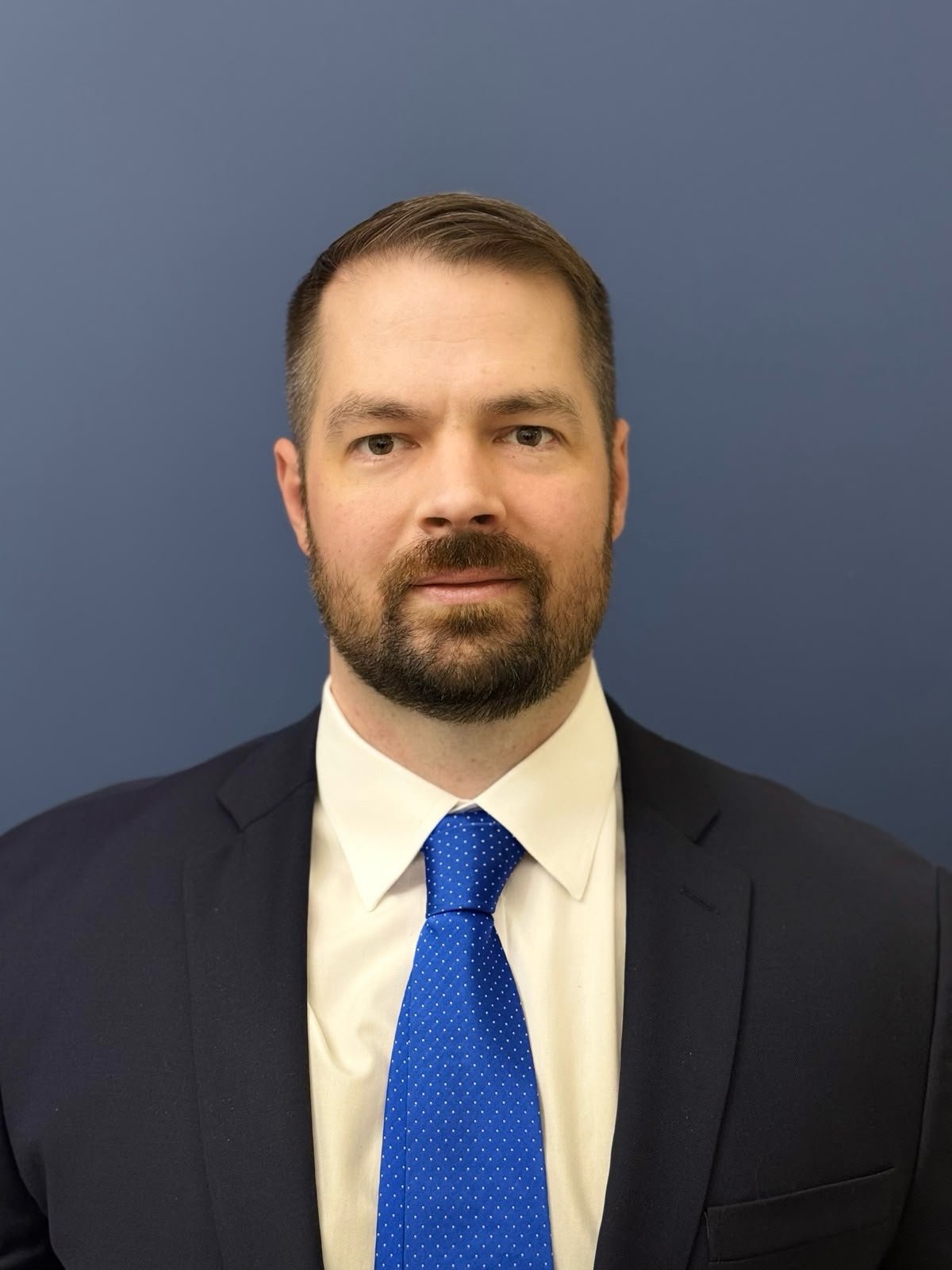
 Rob Lee
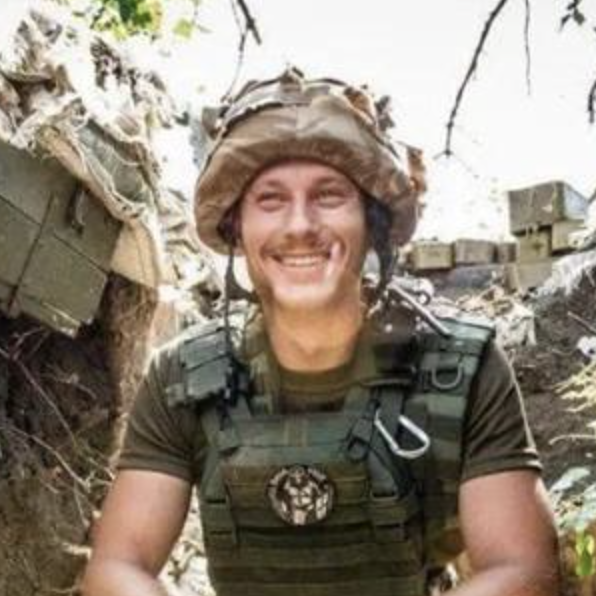 Ievgen Malik
Key takeaways
- 1In February 2023 he was told he was going home — and smiled. An officer answered: “Why are you smiling? You’re going to be beaten hundreds of times before you get home.” The transfer wasn’t to Ukraine. It was to Prison No. 10 in Mordovia — the hardest facility of his captivity.
- 2The regime was engineered to erase personhood: standing from 6 a.m. to 10 p.m., no leaning on a wall or a bed or another person, no walking to the toilet without an order, no speaking, no smiling. In his words — you were allowed to breathe, and that was all.
- 3Violence ran on a schedule: weekly beatings in the showers, dogs, endless interrogations and sleep deprivation, a 30th birthday spent singing a Russian song for a guard — and scars deliberately concealed before visiting inspectors. In his time there, the Red Cross never came.
- 4He reached a breaking point most testimony never reaches: begging his interrogators — “just bring me to Donetsk, just shoot me, but stop this.” What kept men alive was each other — solidarity in whispers, old news traded like treasure, a piece of chocolate.
- 5On Friday, September 13th, 2024, his name was called. He prayed the plane would break down rather than believe it was real. Of the roughly 650 Ukrainian prisoners he counts in Mordovia, only a fraction have come home — and freedom, he says, still feels unreal from a café window.
Key quotes
“This officer said to me: ‘Zheka, why are you smiling?’ I said that I can’t believe that I truly go home… ‘You’re gonna be beaten up hundreds of times before the home.’ And that was true.”
Ievgen Malik — on the transfer he thought was freedom
“You are not allowed to lean on a wall, to lean on a bed… to walk to the toilet without an order. You are allowed to breathe, that’s it.”
Ievgen Malik — on the Mordovia regime
“Give me these papers, I will sign it. Just bring me to Donetsk, just shoot me, but stop this.”
Ievgen Malik — on his breaking point
“Sometimes I’m sitting in a cafe, eating my lunch, drinking coffee, I watch through the window and I cannot believe that here I am, I’m a free person.”
Ievgen Malik — on freedom
Hi, it's Sam Cook, the founder and the co-host of the Ukraine Military History Podcast. Welcome to another episode of the Ukraine Military History Podcast. This is the third in a three part series with Senior Sergeant Ievgen Malik who served in the 36th Marine Brigade. Now, if you didn't listen to the first two episodes, please go back and listen to those. I think it'll be great to listen to those before you dive into this third part. This third episode is the second of a two part series about Ievgen Malik's time in
Russian captivity. So I really would encourage you to at least listen to the first part with Rob Lee where he discusses his experiences and if you want to you can get his entire backstory, his life story and what the Battle of Mariupol was like up until the point of his captivity that I did in two episodes before this. But anyway this episode goes into imagine being told that you're
being released from Russian captivity. It was 7 February 2025. Ievgen and his comrades were told they're being released and the Russian Guard says what are you smiling about you're gonna get beaten hundreds of times before you actually make it out of here and and that was unfortunately the truth for him and his fellow Marines. Now this is after two and a half years of captivity losing
almost all of his body weight that wasn't muscles and whatever muscles he managed to maintain to stay alive and skin and bone I mean literally he was he was down to a very unhealthy weight and getting released from Russian captivity, being beaten on the way out. And again, I'd encourage you as you're watching this video or listening to it to share it with your friends and all of those who are watching this war making decisions related
to this war, because this really crystallizes what's at stake for Ukrainians. When you say, hey, let's just give up some territory, because it's going to make the war stop, imagine the people that are going to be in that territory that's given up to Russia. There are real consequences to Russia and their occupation and the way that they treat Ukrainian prisoners of war and people under occupation.
And sometimes I think we don't understand that until you hear stories that are very personal and you can hear and see the emotion on people's face as they recall these memories like you've you've Guinea does in this interview. So this is the third in a three-part series with Ievgen. It's the second in a two-part series with Rob specifically about Ievgen's captivity. And I think it's going to be one of the most powerful things that you listen to.
And hopefully it will give you much more insights about what this war really means for Ukrainians and gives you a new perspective on what it means to support Ukraine and why that's so important. So part three of our interview series with Ievgen Malik. I look forward to hearing your comments at the end. Before we start this episode, I just wanted to make a quick word to mention our sponsors. I'm gonna give you a brief introduction for our sponsors
and then at the end of the show, we'll do a longer discussion about each sponsor and what we're offering so that you can get right into the content. So this podcast is funded by the Borderlands Foundation. The Borderlands Foundation is a foundation that I established to make sure Ukraine's heroes are never forgotten. And we have two main centers that are in effect
sponsor of this podcast. The first center is the Ukrainian Military History Institute. It's an English-speaking and Ukrainian-speaking center, which is our mission is to translate Ukraine's history from Ukrainian into English for the world to consume and learn from. Ukraine has a lot of allies who've supported it. Almost all of them, the common language of military officers, military
historians and professionals is English. So the Ukraine Military History Institute created and sponsors this. And I'll tell you all about our programs and how you can support the Institute at the end of the episode. The second sponsor for this podcast is the Ukraine Center for Traumatic Stress. This is also part of the Borderlands Foundation. It's a center dedicated to research
and raising awareness and helping to bring in to Ukraine cutting edge therapies, treatments, protocols, and education related to post-traumatic stress disorder. The heroes of Ukraine that are fighting this war, whether they're Ukrainians or foreigners who've come in to fight side by side with Ukrainians, they're writing this history which creates the stories which creates a strong
future country and those memories have costs so we're dedicated to helping advance the research treatment and breakthrough that all soldiers veterans can have dealing with and overcoming post-traumatic stress disorder and mental health that arises from their service. And then finally our last sponsor is the Borderlands Group. This is a for-profit company that donates the money
to fund the Borderlands Foundation, all of our programs. I'm also the founder and president of that organization. And we do military advisory, advisory for defense companies working inside Ukraine and consulting and software development and technical work for both governments and military defense companies. So with that, that's our sponsors. At the end of the podcast, I'm
going to tell you a lot more about each sponsor if you're looking for ways that you can contribute to the Borderlands Foundation, our two centers, or if you'd like to work with myself, Rob, and other contributors for this podcast, I'll talk to you about how you can get in touch with us through the Borderlands group for that. On February, 7th of February of 2023, we came to
this Mordovia, but we didn't know, we truly believed that this is the end, that we are coming home.
Okay, so once again you thought you were going to be sent back to an exchange? Yes, and
And that was like, you know, the life didn't beat me up so hard. I will remember this day for all my life. 7th February we came to Mordovia. I think everyone.
It's the Republic of Mordovia.
Exactly. There is Autonomy...
Yeah, Autonomous Republic, I think.
Yeah, exactly.
Okay, so you're at Ryazhsk. So February 7th you get sent to a different place. And what were you told beforehand? Did you know what was going on? So you said you thought you were going to be exchanged, is that right?
We thought. Because at the time I was on the fourth floor and we heard that every three days, approximately, every three days, one floor was just moved out, shifted somewhere else from the prison. So we heard that the first floor moved out, second floor, third, so we knew that this was going to be our time. And that day, I remember that was approximately 6 a.m., sober game and guards of prison as well.
And they got our clothes and made us to change the clothes to put on our military stuff. And there was one officer in this prison. And he is the only person who didn't lie to me at the time. I spoke to him a lot in interrogations and he told me different things about Ukraine, about Russia and he was the only person who didn't lie to me at all. And Sober said, I remember that Sober said that, ''Curse you, you're going home.''
And I was smiling, I was happy. And this officer said to me, like, ''Zheka, why are you smiling?'' I said that I can't believe that I truly go home. He said, ''What? Home? gonna be beaten up hundreds of times before the home. And that was true.
So this guy, I mean, you mentioned before, we thought that some of the guards were much worse than others. They treated you kind of like human beings. Exactly. So how did this officer treat you, typically? That's all, it's all about the people.
I truly believe that Russian guards who were the worst, that they would be, they would do the same even with the Russian prisoners, if they would let to do this. Because this is the question of people's morality, personal morality.
That's on you.
Yeah, of course, probably you got an order to beat someone. But I know for sure that what they did, Like they could shift our... make prisoners of some room to get out to the corridor and beat them just for fun. That's not about the order. That's not about the government. That's just about you. If you are like so, probably this man who tried to hurt pets in their childhood, you know, something like that. And I know for sure that we made research
and discovered that the most crucial guards are these men who are, you know, short, fat, they got some troubles with their speech or something like that. They are probably, you know, that is complex of Napoleon. They got some problem from their childhood and that's That's why they are like so... All of them are...
They're compensating for something.
Yeah, yeah. They have... The majority of them got some problems with their speech. They're speaking like a little bit enormously. And when we heard such words, because there were rotations every... Each month, they were coming for one month. So each month new guards, new sober team. And when we heard some sober with some speech problems, we knew that this guy, this is going to be a big trouble for us.
And if the guard is like, I don't know, big guy, two meters high, strong, majority cases, they didn't even beat us. So just in case of order. But there were different people in the majority. Well, in the majority that was a sober team. Some of them, they truly didn't like it. They said like, what the hell is going on? Why are we doing like this? This is wrong. This is not... Well, they knew. Some of them said that, said to us that,
yes, we understand. We attacked you. You are defending your territory, your government. So, well, this is the war.
So you'd actually have real conversations with some of the guys.
sure we got a lot of conversations with them, especially in Mordovia, because in Ryazhske that was more discipline there and they were not allowed to speak to us and just interrogators did it and moreover interrogators, well, as I said, for the first time they truly believed that we are killers, massive killers. But in couple of months, when they interrogated each of us, as I said, you will tell the truth about you, all your story.
You think after they tortured you enough, they actually believed you were not actually committing any crime.
Yes, they knew, yes, they found some, they made someone to sign some documents, they sent someone to the jail, and et cetera. But interrogators, exactly interrogators, I think they discovered that the thing is not like the TV shows. I know in this situation, one of my friends, he was... He was blamed that he killed eight civil people and raped some woman. the guy 21 years old. Can you imagine? This is a kid. This is a kid, 21 years old.
But he was blamed. And interrogators, they worked with him. Three days. They were beating up him. But because he said that he didn't do this, of course. But from another prison they got a letter that someone said among our prisoners that he did it. was a situation, there were three Marines there, and one of them was this guy, but he said that I didn't do this. And they beat him up three days, during three days, that
was horrible. He came to the room, I've seen his legs, that was black, red, blue, I don't And he knew that if he will tell that, yes, I did it, if he will take it on him, they will send him to the Netsk Republic and he will be killed because they don't have a murder on this death penalty.
Okay, yeah, moratorium, yeah.
And they knew it, that if it will be so, he will be killed in Donetsk, officially. They got permission for that. And some day, this guy, he said, just stop it, he said, give me these papers, I will sign it. Just bring me to Donetsk, just shoot me, but stop this. And the interrogator said, that no, no, no, no, you don't understand. you sign it, if you did it, if you did it, you sign it. If you don't do this, if you didn't do this, don't sign.
I don't want to meet you there in hell or in heaven and to explain to you something.
So the guy even torturing him still said, did not want him to lie about this.
Yes, yes.
Other interrogators were different though, right?
Yes, because we got different prisons. As I said, Ryarsk was pretty normal. Because yes, that was cruel.
Compared to what you were about to say.
Of course, that was normal in case of these interrogations that they didn't made us to sign everything they want. But Kursk, Volgograd, Taganrog, Mar-2, Altai, Mordovia, Altai, that's a skull. These are other prisons where Ukrainians were kept, where it was much worse. Much worse because I know the guy, as I mentioned, that there were three marines blamed in this killing, like eight civil people.
So, in our prison, and even in Mordovia, they didn't blame this guy, my friend. But I know others, I've seen the video, they made a... They were telling that, yes, they did it, but I know the date, I know the place where were these guys. And I know they didn't even were there, they didn't even know this place, where is it. where was this crime. So this that was a complete lie and still there was a court and
they right now they're in Donetsk and they got 27 years of jail in Donetsk because of like this crime they didn't do. Okay. So if and exactly and that guy who is in the U.S. right now at that time he was in Volgograd and from Volgograd came this letter So they made him to sign it.
Got it, okay. Okay. So you're taking from Adria-Yautsk, you get sent back in Aftazak, right, to the airport?
Not the airport. We moved to this prison in Marba, just in Aftazak. We were riding without any plane. We moved out approximately at 8 a.m. I think, and came there in five hours, six hours, something like that.
And so what happens when you arrive?
We heard the music, first of all.
What kind of music?
Russian music.
Okay.
green days, no one heard this. So we, they said there was an order to go one by one. So we heard just music and I was probably the last one who went out from Aftazak. They made me, they put me a self-band as usual, put the bag on my head and some sober guy lead me some to the to the barrack to the entrance fee.
But you're bent over again. Of course. Your eyes are covered.
Because of bag. The bag. And where are your hands? In front of you? Behind of me.
Okay so they're behind you that you're tied up zip tied. No, without zip ties because that was not a long distance.
Okay. So we were coming, we were walking, walking and then I started to hear screams and I understood that yeah, this is not an exchange. We're not going home. Yeah, we're not at home. And then we came to the barrack, central barrack in Mordovia. That was prison number 10. First step, they put me on the knees, put off the back from my head and I've seen plenty of our prisoners standing on knees completely naked and...
You're on your knees and they're all kneeling, right? On knees, yeah.
Yeah, yeah. So the guards were beating up all of them and one of them told me, take off your clothes. I did it. So we were on our knees and moving from one room to another the same as in Ryazhsk. But I don't know probably even more guards than in Ryazhsk and all of them were with the chokers, with the sticks. We were completely naked. It was winter, Russian winter.
It's February.
Yes, and they were beating up us, beating up everywhere they could. And they beat up us so hard, so harsh that we got our skin cut by this.
It was like coming off, right?
Yes, yes. It was full of blood. That was something horrible. they were beating up each of us approximately 40 minutes, I think.
Which is non-stop beating me up.
Well, that was not like non-stop, that was like, you know, one guard sees you, starts to ask who are you. Mariner, uh-huh, come here. Five minutes he's beating up you. Then you go further, in five minutes there is another guy who sees you, another guard who starts doing the same. They truly believe that this is their mission to beat up each of us. Each of them thought that he has to beat each of us. So for example, there were like 20 guards.
So 20 guys will beat you up, something like that. Some of them has shocker, some of them got these buttons. So it works like that. I know a lot of blood guys were pissing by their blood during one week after that. And they put us into the rooms. And as I said, that was much crueler than Ryazhsk. In Mordovia, you got the rules. You cannot break it. So...
Even before this, you were saying, they're going after your legs, and then when you try to cover one leg, they go after the other leg.
Yes.
You said they're also going after your fingers.
That will be further, so that was not the day. That was like, we came to these rooms and they told us the rules. At six a.m., we have to get up, to wake up, to stand. Whole day you stand still. from 6 a.m. to 10 p.m. You are not allowed to move, you are not allowed to walk, you are not allowed to speak, you are not allowed to smile, you are not allowed to watch into the window, you are not allowed to lean on a wall, to lean on a bed or whatever,
to lean on another person, you are not allowed to walk to the toilet without an order. You are not allowed to drink water without an order. You are not allowed, they don't only think you are allowed to breathe, that's it. That's all yours, breathe.
Your eyes are open though?
During the day, yes, but if the door is opened or someone is speaking to us, then you have to stand self-banned and with closed eyes.
But you have to look directly straight ahead though. You can't look out the window.
Yeah, you can't. So in each room you got camera above the door and there was an officer on duty who was checking the situation in the room and if someone walks or speaks or do something else, the guard team came and they were beating their whole room. They just say, like, move out. You go to the corridor, cell band, and they are beating up you as a punishment. And yes, so the day in Mordovia was probably the same as in Ryazhsk,
because the system is... that's the same prison. So the system is common, like in each prison. But the only thing that this checking out, morning checking out, that was just to beat up us. They didn't ask like anything we need. They were... You just go out and three minutes, three, five minutes they are beating up you with the batons or with the shockers.
So you get up at 6 a.m. You get breakfast. Yeah. And then you are standing the entire time. And then you say it's from 9 to 11 a.m. That's when that's when you come by. Yeah, from 9 to 11 a.m.
We got 37 rooms in our barrack. We got approximately 300 people, little bit less than 300.
It's about eight to a room, right?
Again?
Eight people in each room?
Yeah, in average eight people in each room.
And it was 37 rooms, you said?
Yes, yes. My room was number 35, and they were coming like every day. So they started from the first camera, and it's like, move out. They start to beat prisoners, then they bring them back to their room, then the second room, then the third room, each room, and we are the room number 35. And every single day you hear the screams of people are because of pain. As I said, that was not Rask. They were beating up much harder.
So I heard people were crying, people were pissed because of the pain and etc. So that was every single day. Moreover, you could be beating up because of breaking rules, because someone moved. It's like during the day. And plus, you got interrogations as well. the same. During the day some interrogator could come, I think they got rotations with the same like sober and guards. Each month you got new interrogators. So that is like, for example,
one interrogator came to the prison and he tries to blame you that you did something wrong, some criminal, criminality in Mariupol. For three or four days he tortures you, then he can see that you didn't do this. Okay, great. In one month another interrogator is coming up and he does the same. He does the same. He tortures you three or four days and then he sees that, yeah, okay.
Was the nature of torture the same thing? The same?
Yeah, yeah, the system was the same. The torture system in Mordovia was the same. The problem was with the regime, that you are standing up. Look, there were people 50 years old, 55 years old. They are standing still all the day and you don't have enough water. You don't have enough food. Water was horrible. There was plenty of iron in that water, you know, because of old water system.
Right, the pipes.
Yeah, because of the pipes, exactly. So and all this daily checking up, all these tortures daily, you know, for them that was a play, that was a game. They, I don't know, as I said, like 20% of guys didn't like that. They didn't even want that. There was a situation. There was one, once, one day we went out from the room. They were beating up as usual, but they said, like, stand, stand still. Like, and We stand with closed eyes, of course.
And I could feel that one guard, he started to beat me up with a baton, but so lightly, you know, it was nothing. And he said to me, stand still, I have to beat you on camera. So just a couple of minutes and go inside. So they got the body cameras and they were beating us on cameras. Just as I can see that they made it just to show their administration of prison that they made the joke.
It's required, it's basically a quota they have to do every day for certain amount of time.
Actually, in Ryazhsk they got body cameras all the time with them. And before beating up they were switching off this body camera. But in Mordovia we didn't see this, we didn't hear body cameras. You know, if you switch off or switch on it, it tells something, we didn't hear anything. But this guy said that I got this camera, just wait a little and visit.
So in Ryarsk, they were turning off the body cameras in order to abuse you so no one would see. And then in Mordovia, it was the opposite, where they were required to show to their...
That was for us, that was something unbelievable. We couldn't understand what is going on. And moreover, we got yard, courtyard for our barrack, where we were working like once a week, we got a couple of minutes there due to their schedule. And sometimes, yeah, they were beating up us even there and there were, of course-
Because, so they were required to let you see some of the news and so they show you TV for a little while each day, right?
Not each day, weekly.
Every week. They're required to take you to the courtyard every so often and also let you shower as well. But you said you didn't like on the shower because it beat you when you were showering.
Shower that, look, now you got three minutes. You have to go out from the room. You go inside the shower, take off your clothes, got this shower with the, you got two ways. The water is freezing or the water is hot like in hell. and then you have to put your clothes on and come back to the room for three minutes. And each movement is with this pattern. They are beating you in your back, beating your legs. So what for do I need such shower?
And then even when the courtyard, when they let you out.
Yeah, they didn't do that a lot, but sometimes we heard that, yeah, in the courtyard, they were beating the prisoners and they got video cameras, not just body cameras, but video cameras which shows all the court. And in majority cases, when you are moving to the courtyard through the corridor, in the corridor there are guards and they are beating up you with the batons. Everything is with the punches.
TV, you are moving to TV once a week, you got three minutes watching this LG TV, 2000 years produced and you got news from the Dniester Republic news for the year 17-18.
2017-18. So it wasn't even new news, it was propaganda news from you know,
Six, seven years old news and we were watching like, why are you showing up this? Because I think that, well, because we were not allowed to, they told us each day they were telling that we have captured Zaporizhzhia already, we have captured Kharkiv already, we have kept, one of them told that they are trying to capture Lviv already.
Wow, really?
Yes. So that was funny, we knew that if we are here, years, then you didn't capture anything. And that's why they didn't show us any news, because what would they show? That they lost Kherson, that they lost Kharkiv, Balakleya, and etc. They didn't want to show us such things, so they showed us this old news. And that was funny, because we understood everything, like what is going on. we were laughing at them.
You wanted to capture Kyiv in three days. We are standing here more than two years and you are showing us this news six, seven years later because we thought probably that we have already captured the Danes, that's why they are so aggressive to us.
So you said every month they change out the guards. Right, so the guys who are there every month changes and you know, you're saying, you gave me a percentage here where you said there's a certain number who are very cruel, or a certain number who had to do this but didn't agree with it. And then I guess the rest of the group, what was the percentage there?
So as I said before, 20%, that was equal. 20% were like normal people who understood what is going on and they didn't like that. They didn't want to be part of this idiotical system. And another 20% they truly love this. They were beating us and laughing. You know, like, if you remember this cartoon, The Lion King, and there was Giyens, this, the dogs for...
Oh, hyenas.
Hyenas, yeah. You remember that laugh. That was the same. I couldn't imagine, like, it was like, the feeling that there is some demon inside of this man. They beat you up, put you back to their room. And when they were leaving the corridor, this laugh was the same, like Yenna laugh, like from the hell, I don't know. I don't know how to explain that. That was something unbelievable. We were watching each other in the room.
We couldn't believe that this is true, like as if they are demons. And another 50%, that were people, whites, they didn't care. No, they care more about their salary and they didn't care about other people, et cetera. But that was for the beginning and till the end of the rotation, mostly they took this bad side. So first week he's normal, second week he starts to beat up you because of the... because you are like breaking rules.
Third week they start to beat everyone and fourth week, the last week, they are beating up everyone like crazy and as if they are truly like... as if something wrong with... we knew that the voice is the same. This guy is, he's moving out tomorrow. So this is the guy who came here one month ago. But one month ago he was totally different. He was calm, he was normal, he was speaking to us,
he was asking like who are we, what is our age, from which cities we got here. And the last week is like he's not asking anything, he is calling us like that we are all homophobes and etc. and beating and beating up. They're using homophobic slurs for you. That's all, you know, what is wrong with Russians? I think that the majority of them truly are homophobes, but they
cannot consider themselves like that. And that's why they are so aggressive, because if you listen them. Everything is about the homophobes. Everything is about some sexual activity. Even if they threat you, they will say that they will fuck you. Each threat is about sexual violence or sexual rape. Exactly. Russians are all about... And the thing is that they They say it to men and they say it to women.
By the way, women, military force, like women, Ukrainian, they were in captivity in these prisons as well. And guess what? Everything is the same. They were beating up these women every day and they were torturing them all the time. That wasn't the same.
You also said that there are civilians from Mariupol who have also taken with them.
Not just Mariupol. In my camera was a civil guy from Kyrstown region. He has never been to Mariupol at all. When Russians occupied...
And he was not in the military.
No, he wasn't even in list of militarists who are required as a mobilized person. So he wasn't... He has never been to army in his life. He was 40 years old, approximately. But he was detained and he's being tortured just like everyone else. The situation is like that. One Russian occupied Kherson region. They just caught some civil people, men, of course, and put them to the jail as if they're Ukrainian agencies or something like that.
And firstly, yes, they tortured him because, well, interrogators truly believe that, well, this is some kind of agent that they have to work with him. But in couple of months, they got that, yeah, that this is simple civil guy. He doesn't know what is AK-74, you know? So they don't have to work with him. But as I said before, this daily beating up, Every day they were beaten the same as military. And we got among 300 prisoners, military prisoners,
we got approximately 50, 60 civil guys who are not military.
It's still a four-story building, right?
Again?
The barracks you're staying in, it's four stories?
Yeah, the barrack is one floor, but there is a part of barrack on their, I don't know, on some side, you got the second floor. For as we got it, there were Russian prisoners there who were making a job. They feed us and they worked on kitchen and they were cleaning up the corridor and etc.
Yeah, you said the Russian prisoners are too. So it's Ukrainian prisoners and then just Russian regular prisoners
Civil prisoners.
And what was their response? Were they also like, were cleaning up, right?
Just working, cleaning up and preparing some food and etc. Because Russian guards do not work, of course.
And I mean, one of the things you've been talking about is interesting is how the Russian system kind of works, right? Where they rotate guards every month, probably because they don't want them to become too close to the people.
Yes, this is the thing because they don't want them to become too close to the people. And they don't want them to become too close to the people.
I mean, it's one of the things you've been talking about is interesting is how the Russian system kind of works, right? Where they rotate guards every month, probably because they don't want them to become too close to the people.
Yes, this is the thing, because we got some Russian guards. They were, yeah, rotation each month, so no more than one month. But they, during almost two years in Mar-D'-Bas, they were coming to, they were visiting us two, three times. And we heard that it could be seen that secondly, when they come like second or third time, they are more calm and they have got even some prisoners. They know in face, they know their names
and they are like, hey buddy, how are you? So just not to do, so the system works against it. No brotherhood among prisoners and guards. So that's why they are changing guards each month and each time these guards, they are coming and newcomers for them, we are killers, we are Nazis, fascists, that's, Every day they called us fascists. I don't know why I don't have any tattoo. I don't have, well, what is wrong with these guys?
Like, why are they thinking like that? But all that was all about fascist Nazism. You helped Hitler, well, probably personally I, 70, 80 years ago. Yes, I don't know why, what is wrong with them? how did they came to such kind of opinion? Well, all about the TV. If you switch on Russian news, you will find a lot of interesting things.
And you said you also overhear the Russian guards talking to themselves about sometimes that they disagree with what was happening, they thought it was very wrong. I mean, obviously the 20% was very cruel, sadistic, and then some were not.
As I said, approximately 20% of these guards, majority of them, I think that was militaries or this police squad, because you know Russia got their own guard.
Right.
Yes, so the majority of them, probably 20%, they didn't like it at all. They like, we heard different speech, we didn't heard different opinions, and some of them, well, for example, if they start from the first room to beat up us, these guys, for example, two guards, were coming to our side, to the end of the corridor, because they didn't want even to stand there at this period of time. And they were speaking to each other,
and they were saying, like, the hell is going on? Like, why are we doing this? Yeah, they are captured, they are here in prison, they are, the type of regime is torture already. Why should we do this like daily? What is the sense to kill them all? They didn't understand that and they didn't want to do this. But that was just 20%. As I said, another 20% they were so glad to do it. And the majority
just went along. And the majority, yes, just a job. They got an order. Let's see, you said, oh, they also use dogs on you.
Yes.
So can you explain how they use dogs?
Daily checking out, as I said, they're coming to beat up us. Someone got-
So from nine to 11 every morning, they're doing this.
Yeah, someone got the baton, someone got plastic baton, someone got shocker, someone got the dog. Due to the horror, there has to be one guard with the dog. As it is common in prison, I think, in the US the same, in Ukraine the same. So one of them is with the dog. And again, monthly rotation, different guards, different dogs, different attitude. And there were time, period of time that, yeah, we got these crazy guards with the dogs. And I...
So instead of, during that period when you get pulled out of your room, you get beaten.
Yeah.
You might be a guy who just has a dog biting you and stuff.
Yeah, and he...
It's like a German shepherd, you said, right?
Yeah, yeah. The situation was I was... That was July 23. July the year 2023. We came out. again self-bent with closed eyes and my hands were behind my back. And I felt that someone, because I didn't see, I felt that someone got my arm and started pulling me. And I didn't know, I thought this is a guard, he just took my arm and started just pulling me, but he didn't tell anything.
Because your eyes are closed.
Yes.
And you're looking down, you're bent over, your arm is behind you.
Yes, exactly.
So you have no idea what's happening.
No idea. So I didn't know. I thought like this is the guard. But he didn't say anything. And I was like, what the hell does he want? And I just opened my eyes and watched left side. And I've seen this German shepherd just biting my arm. I start to scream. I tried to escape, but on the right side there was a wall. And this guard, he saw that I opened my eyes, he saw that I, well, I discovered all this situation. He started to laugh and he was like,
come on, bite him, bite. So the German shepherd bite my leg, my arm, my leg after it. Well, the shepherd bite everyone. And because of, well, you know, try to imagine, first of all, there are people who are afraid of dogs.
Well, naturally.
I understand the dog that is dangerous, but I have normal, I love dogs. There are people who don't, they hate them, they are afraid exactly dogs. And for them that is psycho attack, more psycho attack. I know one guy in my room, he was, when he heard this dog, he was like crazy about it. He didn't, he wasn't afraid of shocker or or plastic tube, or et cetera. He was afraid of dog. I was afraid of shocker. Someone was afraid of something else.
So it's more about psycho. Firstly, and secondly, because of this dog shepherd, German shepherd, you know, he's biting you. You got this blood, you got this injuries, and you don't have any medicine. When I told you about the shower.
You're not showering. You have no medicine to take care of it, and it's a dog that's biting you and biting everyone. So there's a risk of infection.
Yes, and this is the common situation, especially in Mordovia, that people are, they sawed alive, you know, they got these injuries like my hand and they are bleeding each day. Even now they are standing there and they are bleeding. you know, that is normal because Russians, well, you got, we got there three doctors. One doctor is like, okay, he tries to at least to give some medicines or bandage to another. They don't care about it.
Moreover, one of them, if you ask some medicines, he will give you some electricity from shocker. That is like his... That is the way he works. Moreover, if you ask for a doctor, the guard, they will bring... The doctor will come, but after he go out, they will move all your guys from the room to the corridor and they will beat up you for this because you asked the doctor. As they said, like, due to their will, they would just kill us.
And that's it. And we are such horrible people that we are asking for a doctor. Like, you are in captivity, you are not allowed just even to speak, not forget about doctor and etc. So we got actually problems even with the bandage.
You told me about, I think he was the company commander for the Airborne Company, that at some point he got knocked unconscious.
Yeah, yeah. There was one guy, one of my friend, and he said that there was a situation when, again, they were beating up us, and the guy, he's a strong guy. He's Airborne guy, of course, and tall, and you know, he's the brave guy everyone can cry but not him he is pretty strong but but there was a situation when he some guard punched him in his head and he lost his
like with baton or just with the hands? I don't remember exactly, it was more than two years ago
so he just lost his consciousness guys took him inside the room he woke up and firstly he didn't understand what is going on, he didn't recognize guys, but when he recognized the place and he remind himself that he is like he is in Russian captivity, he reminds himself what he survived and what is going on and that he will survive even longer. He almost got crazy, like that was so hard to realize what is going on and that was hard for all of us.
One of my friends in the room, you know, every day after the breakfast we were standing and waiting this 9 a.m. the beginning of this beating up and my friend said that, it's like I can't imagine that that is true, that that is the reality is we survived, we live. I truly thought that we are dead and we are not in captivity. In fact we were killed in Mariupol and now we're not in hell but in... Purgatory? Yeah. Okay. So I thought this is something
like that. I couldn't believe that this is the reality. Like every day you're torturing, every day you were beating up. And as I said, for them that was a game. They were pretty creative about it. For example, there were guys, Sobor, they discovered such game. You go out from the room and they beat 13 times each of you, 13 Sometimes, for example, your leg, your back, your ass, something like that.
Your task is, for example, not even a sound and do not fall. If you at least lean on the wall, you lost. If you made a sound, you lost. If you lost, everything starts from the very beginning.
So this is a game that the Russian guards are playing while being...
Yeah. there was a situation I was standing straight up and with the closed eyes my hands were in front of me and The guard made made me to sing a song Russian song I don't remember me so when I 30 let No matter, but I was singing it and he was beating my fingers with the shocker and that was you know that that was so crazy when I came back from this activity to Ukraine I got to the doctor
and she's she got this stick and she said like close your eyes and put your hands in front of when I did it I scared like you know it that right yes that's the memory this yes and I didn't even that was the first time I got cast. I never understood what is it like this PTSD or etc. I thought that this like maybe weak people can feel this, but not me. I'm strong, everything is good.
But that was the first time after the captivity that I felt that and I understood that it exists, that's a big trouble you know so and they got plenty of you know they were asking like who are you mariner did you shoot yes they took your right hand and start beating up with shocker they put the taser into your exactly yes and there for a long like for a minute for example that was really long that was
not just one punch but for a long time in your right hand and so when you will you come back to Ukraine will you shoot again something like that so a lot of different types of torturing. So you were there from February 7th 2023 until you
are released last fall September it was 20, 2024? 14th September. Okay. So you're there for a year and a half? Well even more I think. Yeah a little more than a year and a half. Yeah. So every day at 6 a.m standing all day doing nothing then two hours well you'll get beaten at some point taking to an interrogator, torture the interrogator, and then basically standing the rest of the day until 10 p.m.
Again, there was a situation. This such regime was till the end of the year 2023, the worst year of my life. So from the very beginning till the very end, that was like so horrible. So, but at the end of this, that year, they got a visit from, I think that was someone from a Bootsman office in Russian Federation. So they didn't, we have never seen Red Church there, never, never anyone from United Nations, never, no one came.
cross. Yeah, you never see them. Yes, two and a half years. I didn't even hear that someone,
like maybe you seen them or speaking to them. But we've seen these people like from this Russian Ombudsman office and yeah, they were checking out this prison, our prison during three days. Well, can you imagine like the door is open in your room and this man from the Bootsman office, he is asking you like, hello guys, he's the representative himself and how are you, what is going on, is it okay? And behind him there are like 30 guards with these
and what would you say? Perfect. Yeah. Super. Can you just, he could, if he want, to ask prisoners to show their legs, to show their bones, to show their bodies, and he would see all these punches, he will see all these injuries.
Cause you're covered in your uniform.
Of course.
And they're hitting you everywhere. It's not covered. Exactly, exactly.
Yeah, because that's why Russians avoid the face. They do not punch the face. They can punch your head, but not your face. That's denied. So yes, basically they are making this view, picture that everything is okay, but it's not okay.
So why don't you tell us what happened when you got released?
Well, first of all, I woke up on 13th, Friday 13th.
Friday 13th. Okay. Lucky day. Yeah, but I got the dream as I said before this war started
I got the dream and before I released I got the dream and the dream was really cool. I liked that I said to my friend in my room. He's still there and I said to him, you know, I had I've seen such a beautiful dream I don't want even to tell about it to tell the details because I'm afraid that something is going to happen. And I'm afraid I don't want to break it. So, approximately at 11 a.m. they came, they beat up probably 10-12 rooms, that's it.
and they came, they opened the room and they called my surname. They said Malik, said yes, Ievgen Valerievich. They said, go out. And with your stuff, with your stuff, that means stuff of your bed. So that means you are moving on. It's not just you are moving from another room to, from one room to another. That means that you are moving out from the prison. So I knew that, well, probably, probably we will go to some other place.
They shaved us, they made some photos and made us to put on our clothes, our stuff. our staff and they put us to after Zag as well. And we were going.
You've been told nothing though?
Nothing, no, no. You are not allowed to know anything during this captivity. You are not allowed to, I remember there was a situation, there was a plastic cups in there for tea, for water. and they were, you know, we got, for example, eight people in camera in room and they gave us four, three or four cups with tea during our meal, but after it they put back all plates and cups as
well and one cup has to stay in room, that is the room, to drink water for all of us. And guys tried to write something on the backside of the cup, some information. For example, we are in Voronezh, or the Easter will be on the 5th May. And we were counting days, we knew that today, for example, 4th May, and now we've got the information, someone discovered from someone, I don't know,
from some wars that the Easter this year will be on the 5th of May so we know how when we should celebrate it, congrats to each other and etc. And when when guards discovered they found these cups they saw that the information is written. They've seen some nicknames and etc. and they were beating up us two weeks for that, all of our barrack. So yes, we were not allowed to know anything and we were going by Avtozak, then they
put us into the plane and I, till the very end, I truly believed that this is is not an exchange, we're going to another prison. And because I thought of this, because of this meetings in each prison, I thought, God, make this plane just to break down, but make this just finished.
You were hoping for the point of crash.
Yes, because that is better to, you know, to switch off all of it than this meeting in prison, because that is truly like horrible thing.
You said that some prisoners tried to commit suicide too, right?
Yes, a lot of tried. Some of them were, they managed, and a lot of prisoners, they got mind like, they got problems with their mind because of this captivity. And...
You told me that one of your friends has not spoken ever since he got here, right?
He's not my friend. He was in this jail, in prison number 10, Mordovia. When he came back with me, he didn't speak. Well, actually, he didn't speak in Mordovia. In Riazhevsk, he spoke, like, a little bit, But in Mordovia when we... Because I said, as I said, Mordovia is much more worse than Ryazhsk.
You're not allowed to speak except interrogation.
Yes, yes. And that's why he didn't speak at all. He didn't speak even to the guys in the room, to another prisoners, he didn't speak to the guards, even if they beat him up. He just didn't speak at all. And when he came back, he came back with me, he didn't recognize his mother, He didn't recognize his relatives, his friends, and just, as I remember, in one month of therapy in a special hospital, he started to speak a little bit.
And the situation with him, he's a mariner as well, and his situation was even worse than mine. As I said, my situation was horrible, But there are plenty of people that got much worse, even much worse. So that's why I'm like more, for me, that is easier even to speak about it.
You were saying in Mordovia, it was a very obviously terrible experience, but the one at least somewhat kind of upside is that when you went to bed to the night, you would sleep eight hours.
Probably a skull or somewhere else, I don't remember for sure, but there is a prison where you are beaten up twice a day, not once, but twice a day. And when you go to sleep from 10 p.m. to 6 a.m., you have to get up every hour. Just you sleep till 23 p.m. till 11 p.m., then you wake up and you stand one hour, then you sleep till 1 a.m., then you wake up and stand one hour. One hour you sleep, one hour you stand.
So they spent years getting one hour of sleep at a time.
Yes, I've seen a guy and it could be seen by his eyes that that's true because he was much worse than me. His situation was much worse. And actually, yeah, there are plenty places that are much more worse than even the Mordovia. For example, Taganrog. I wasn't saying God, I wasn't in Taganrog. but there were plenty of our prisoners who were killed during the meeting. So they were, Russians beat them up so much that the guys just, they're dead.
And we got plenty every month. We got our prisoners from Russia, send it, they are dead, just bodies, you know? They are killed and you can see, you can see that they were tortured. Yeah.
So you get on the plane, right? You initially hope it crashes, can you assume you're going to the prison, you land, then what do you see at that point?
We land twice. If I'm not wrong, two. On the third time, that was the last one. They made us go out the plane, and I remember there was one guy, mariner as well. he said that I can't walk, like I can, I have, he had a broken kneecap. And they were like, sure that, they said, when did you get that? He said like, well, probably 10 months ago. Because that was another guard, that was military police, I know for sure.
Yeah, so when you landed, military police picked you up and they were gonna exchange you.
Exactly, yes, and they were like leading, they lead him and they said like, when did you got this? And he said, well, approximately 10 months ago, and one of them said, what else? So nothing, no one did anything. He said, no. And he said, like, I remember he said, what the hell, how is it possible? And then they put us, they checked all our surnames, put us into the bath. And one into the bath, and one of them said that, okay, guys, just hang on.
you are going home. That was on Saturday, early morning, approximately 5-6 a.m. And they gave us some food, this military box, I forgot...
In Marie, yeah, a military ration.
Exactly, yeah. One for two people. So that was pretty good for us, after such provision during two and a half years, that was a lot. That was the first time I've seen a small chocolate piece and I tasted it, it was pretty good.
You actually told me an anecdote before about one of the guards, I found it interesting about that.
there was a situation when I was in Madva, I was there and as I said each month's rotation new squad is coming and one of the guards, when they are coming first day they try to give some questions to us to find out about us, who are we, VH and etc. One day some guard he asked me, how old are you? And I said, in one week it will be 32. And I said it, I don't even
know why, I forgot that, you know, I forgot that, like, we are not allowed to know the date and etc. But I heard that that day they didn't beat anyone. Like they were just, you know, checking up, making this checking out and speaking with us. So I thought they are calm today. So maybe I said in one week I will be 22. He said, okay, in one week on the 22nd of November I got the birthday.
Checkout, normal checkout, we went out from the room and I felt that the hand on my shoulder, he straightened me up, turned around.
You're bent over as always.
As always, yes. That's always, you go out, you are walking self-bent. That's your position forever in the captivity. So I felt that arm on the shoulder, he straightened me out, turned me around and said, open your eyes. I opened and he said, do you have a birthday today? And I said, yes, I have. He said, open your eyes. I opened my eyes and I've seen this sober guy, big guy with white shoulders, black uniform, this ninja. And he got this...
In Balaklava too, right?
Of course, all of them always in Balaklava. And he hold the chocolate candy in his head like, congratulations. And I was shocked because, you know, I was like, seriously. And he gave me this candy and said that you have to leave the rubbish here, but they can't get it inside the room. So I said thank you, of course we came inside and we had this candy, 10 of us, we tried a little, little bit of this candy and yeah, that was the story.
Yeah, interesting anecdote. So you're tasting MRE, you're on the bus, at this point do you actually think you're going home or are you still not sure?
I was praying five hours long. I had this food they gave, and then I just, I was praying because I knew that before there were tries to make an exchange, they failed and they bring all prisoners back but to another prison, so you got, you were going to exchange but you got the meeting in the prison. So I knew that even if it's true, that we're going to for an exchange, that doesn't mean that we will get it. So I was praying like an hour,
I think five hours I was praying.
And I drove you into Belarus, right? So the exchange ultimately was across the Belarusian-Ukrainian border.
Exactly. We got to Chernihiv region, that got border with Russia and with Belarus as well. So the bus with us came to Russia, we took Belorussia and these military police they said that okay guys that's it for you that's it this is Belorussia and they said like you know that was like during all these years they called us homophobes homophobes everyone is homophobes but they're calling you homophobic slurs
Yes, sure, sure, not such polite version. So, of course, that was in the Russian way. So, Zelensky is a homophobe, Biden is a homophobe, we are homophobes, each Ukrainian soldier is a homophobe, each American is a homophobe, everyone is a homophobe. Due to their version, everything is like that. But at that moment they said like, okay man, this is the end for you. You're done, you're going home and just hope we will not see each other
on the battlefield anymore, that's it. They went out, we got to the Berala, Russia. Then some old man got into our bus in civil form, civil suit. He told something, some good words about Lukashenko. Well, I think that was some KGB agent in Belarus, and they gave us some food also. And after that, we moved to Chernihiv region. And I've seen these Russian prisoners moving from Ukraine to the Russian side as well.
He's just mostly young guys.
Yeah, conscripts, I think. Because we discovered, we didn't know why on August 24, they were angry on us. They were beating us for the last time. We didn't know what is going on. But when I came back, I recognized that that is because of Kursk, because we are there and we are beating them in the Russian land. They were crazy about it, but they didn't tell us that we got this. So no one knew about it.
And because in Kursk, our military got a lot of conscripts, Russian conscripts. And because of that, they could change us because yes, Russian Federation, they tried to get conscripts back to Russia because of their mothers, because this is a social problem. But at the same time, they don't do this according to contracts.
Yes. And this is the thing that you have to understand. When Russians say, well, we cannot exchange prisoners because Ukrainian side doesn't want. They say it. But when Ukrainian side got conscripts, Russian conscripts, they got this exchange in one week or two, three weeks maximum. So who doesn't want it?
And also part of it is that the Russian military now, if you sign a contract, you're not supposed to retreat. They do execute soldiers and they basically don't want to even exchange for people now because you're not supposed to surrender if you're a contract soldier. But conscripts, so conscripts are not supposed to be deployed into Ukraine. They're not supposed to be deployed into wars.
They're allowed to be deployed in Russia proper on the border. And so it's partly a characteristic operation. the first couple of days, Ukraine took like, I think five or 600 POWs, most of them on conscripts. And that, as you said, like only a month later, they were already exchanging you for these conscripts. So I mean, one of the benefits of that operation.
Exactly, yeah. That's all true. If you sign a contract, if you are not conscript, but regular contract military in Russia, then you have to understand that you're fighting or you are dead. If you are in captivity, you are dead already. So for them, that question is not a problem at all.
You also told me that, so there are Russian prisoners at the prisons with you. And you said they also were often treated, maybe not the same as you, but they're also beaten impartially because you think they're trying to force them to decide contrast. Yeah, different situations.
But as I know, because of this war, they tried to find some soldiers, some recruits, and that is one of the way Russia got recruits. So they tortured their prisons to make them to sign the contract as if they are volunteers.
Right.
Yes, that works like that.
So you got exchanged, and I think you said there are 650 people in your prison, right?
Yeah. craniums. And so after you got exchanged, what was the, I guess, rehabilitation process
like? What happened after this?
Well, first of all, we got to the hospital in Dnipro one week, approximately. That was the time when all of our relatives came and friends, then we came to Nemirov, 20 days in Nemirov. And that's it, but we were working mostly with the SBU there with the recons and et cetera. We gave all the information we have and I spoke to their representatives and as I can see, SBU knows everything. Names, surnames.
So even before you get the details, they already knew all this.
Yeah, they were just checking. So yeah, they know, they called me, they told me the name and surname of head chief of this prison number 10 and everything they knows. Then after that, I got to Kyiv to the private hospital with the help of volunteers that was free for me, that was a don't use. I got rehabilitation that was pretty cool, another 20 days. After that, I came home and I got two months like two month vocation.
Actually, I didn't want even to, I didn't want to go to any other hospital or even to a camp, anything else. I just wanted to go home. That's all. Yeah, that's it. After that, I quit with the army.
Because you're tired because if you've been at captivity, that's one of the conditions.
Yeah, due to the law, every Ukrainian military has a right to quit with the army. And that is one thing that, for example, in Russia, you don't have such a right.
How have you been since then? So you've been out for about six months now, right? Free man again. What is it like, I guess, adjusting back to society, about life? I don't know, what have you learned about the experience?
The experiences that, well, Ukraine started this, well, this conflict between Ukraine and Russia was because Ukraine wants to be a democracy type of government, wants to be a part of Europe and Western society. The opposite side, Russia, which tells that authority way is better. Well, and as I can see now, unfortunately, some people think that, yes, the democracy way of, the democracy type of government is not the best one probably.
I don't like a lot of things as well. I don't like some kind of propaganda, democracy propaganda as well. I think you know what I mean. But the authority way is not better for sure because I used to be there on that side and that was the worst years of my life, the worst. And before tell this, before tell that, for example, Putin is very good guy, you have to go to Russia and try to survive there for a couple of years.
And after that, you will come back home and you will say, is he good or he is a devil? This is the thing. And also you have to understand that, well for me I discovered, sometimes I'm sitting in a cafe, for example, eating my lunch, drinking coffee, I watch through the window and I cannot believe that here I am, I'm a free person. I'm free to do anything I want and no one will try to kill me or to beat me up or to torture and
People don't understand this because the modern world is like this for us. This is something wild This is something what used to be before but we are not like we're not so This is wrong. This is the mistake. There are people who are so they they like this and there are some regions in this world where you can get this, when you can get to the prison, not because you're guilty, but just because someone can put you there.
And all of these goods you got every day, you think this is normal. No, this is not normal. This is something... This is something we... This is a good side of our society. something what others do not have. And this is the thing people don't understand. Like, every day you go to your work and you think that you've got some problems. No, you don't have any problems, believe me. You will get problems in Russian captivity when you get there.
And you will get everyone got, if we won't stop this Russian army, everyone will be there. Because as I said, they don't like Ukrainians, but Ukraine is not a problem for them. For them, German is much, much bigger trouble. I remember the man, this Soloviev, I think, he got a strong, really strong propaganda channel. And I remember when Russians got Kura-Khava city, He bring a table name of the city, Kura Hava, in his studio.
And he said, well, this is Kura Hava, but don't worry, I will bring the name table of the cities, Kyiv, Warsaw, Berlin, and et cetera. So it's not about, this is not about Ukraine and Russia. It's about Russia and all the European and other countries.
How many of your friends are still in captivity?
There were 650 guys in prisoners in our prison. If we count with me, well, probably 20 prisoners got back from this prison.
So more than 600. Still there?
Still there. Russians don't want to. the exact same way. And everything is the same as I spoke to my friends as one of my friend we used to serve in one company. He was in the second platoon and he came from Mordovia. He came probably one month ago. I asked like, how is it going on? He said the same, everything is the same.
Okay. And it's only, it's almost been three years now for those guys too. The war was obviously over three years at this point. Well, thanks. It's obviously incredibly tough story to tell, but it's good to hear this from you, good to hear the details of what actually happened. And I think, as you said, important thing to keep in mind when we talk about negotiations, about how this war might end, of what was happening to not just soldiers
who were in captivity, but also even civilians who were taken and put in prisons as well.
A lot of civilians, and you know what? That not just civilians, the same as civilians, they took, they kidnapped a lot of kids from Mariupol, Kherson, Militopol, Pirdyansk, and no one knows what is going on with them. The civilians, I can tell you, the same as the military prisoners. They are in these prisons, and they are beaten up every day. the same as me and other guys. So what is going on with the kids? Who knows? Who can tell us?
Okay. Thank you very much. Thank you. Hi, it's Sam Cook, the founder and co-host of the Ukraine
Military History Podcast. And thank you for listening to another episode of our podcast, sharing the stories of Ukraine's heroes for the world to make sure that we're able to fight and and win this war and the future wars against Russia and those who are fighting against freedom. So for all of you who are listening to this podcast, if you're watching it online on YouTube, please know that you can also subscribe to our podcast
on podcast apps so that you can be notified of future episodes as they're released right there on your phone. For those of you who are listening to this on your podcast app, Please know that you can also watch a full HD video version of this podcast with our guest and see the moments that you missed, see the body language, understand the emotions as you consume this content.
Because we understand that for those of you who really want to understand what's happening, the best way to do that is to watch the videos as people share their stories from this war and tap into the raw emotions that you heard as you're listening to this podcast. For those of you who'd like to get more, to learn more about the Ukraine Military History
Institute, please go to our website, www.ukrainemilitaryhistory.org, where you can see all of our episodes. You can download show notes to our episode. Anything that we mention in this episode or any other episode, we're going to link to it in those show notes. There's summaries of the podcast. There's complete PDF transcripts of every podcast that you can download.
You can share these pages with your friends so that they can also see all of the great resources on the website. We're also publishing papers and military history publications, translations, things that we mentioned in the podcast, you will be able to download on the website. Thanks again for listening to the Ukraine Military History Podcast. This is a production of the Ukraine Military History Institute by the Borderlands Foundation
where we're making sure that Ukraine's heroes are never forgotten. You can also go to our Foundation website borderlands-foundation.org where you can learn all about the Ukraine Military History Institute, the Ukraine Center for Traumatic Stress, which helps veterans recover from the psychological impact of war, and then finally the Ukraine Freedom Summit, which is an annual event that we host to help Ukraine's veterans, Ukraine's
heroes share their stories with the world and let them connect with people around the world who are supporting Ukraine. Thanks again for listening and we'll see you on the next episode. Finally, if you'd like to support our podcast, please share this with your friends on social media. Please subscribe to us on all of your social media platforms, comments on the episodes
that you love and also leave us a review on podcast episodes so that other people can find our show. Thanks again for listening to and supporting the Ukraine Military History Podcast where we make sure that Ukraine's heroes are never forgotten. So thank you for listening to this episode of the Ukraine Military History Podcast. I promised you at the beginning that I'd tell you more about our sponsors if you'd like
to find a way to support the Ukraine Military History Podcast, the Borderlands Foundation more broadly, or if you'd like to work with myself and the contributors, the editors, and the guests that come on this show. So this podcast is produced by the Borderlands Foundation. The Borderlands Foundation has two main initiatives. Our mission at the Borderlands Foundation, it was founded right after the war started
in 2022, is to make sure that Ukraine's heroes are never forgotten. And there's two things that I'm passionate about helping Ukraine do. Number one is build a strong future for Ukraine, for my family that I'm raising here in Ukraine through national military history study and education. I believe that nations, great nations are founded and sustained and grow in strength based on the stories that those nations believe together about their history.
Ukraine has had a very complicated history. It's a very old country. of people don't understand that Ukraine's 500 years older than actually Russia as Ukraine was around before Russia. Ukraine was founded by Vikings that moved to this part of the world in the eighth and ninth century and were traders and became rulers of the local Slavic people. So Ukraine, Kievan Rus, was an ancient and the most powerful empire in Europe. And
Ukraine's history is very controversial through the years Russia has appropriated it, stolen it, called it their own, and then tried to change Ukrainian history to make it their own, this great rich heritage that Ukraine has. So our mission at the Ukraine Military History Institute is go back through history and reclaim Ukraine's great military history tradition because Ukraine's
military history tradition encompasses almost all the great military traditions in the world. It started out interfacing and competing with the Vikings, as well as Constantinople, absorbed those traditions over the years. It became part of the Russian military history tradition, the great Polish-Lithuanian Commonwealth, and then the Ottoman-Mongol kind of Crimean
Tartar heritage of Genghis Khan's great military tradition. All fused, competed, and created this unique military history tradition inside Ukraine, which I call the Ukrainian Cossack military history tradition, which takes from Western military history, the German, English, American mission command, NATO mission command school, as well as the good things hopefully
and leaves the bad from the Russian school, deep battle, and a lot of the positive things that have come out of the Russian military history tradition. And our mission is to help with the world's best military history center studying the the current war going all the way back into history throughout Ukraine's history, starting battles from World War II that were fought in Ukraine, World War I, the first Ukrainian
independence period from 1917 through the Russian Civil War in 1921, back to the Cossack period. All the way back, Ukraine has a great and unique style of fighting and tradition of fighting. Constitution was written by Ukrainian Cossack class, the warrior class, wrote down the first Declaration of Rights in history, in modern history, which founded the Enlightenment,
led to the American Declaration of Bill of Rights, the Polish Constitution, and a number of other declarations of rights and constitutions. Since then, we're all inspired first by Ukraine's declaration of the rights with Pep Orlach after the defeat at Potava at the hands of Peter the great. So understanding Ukraine's military history tradition is a passion of ours and every author
who comes on this episode who publishes a written work we actually paying those authors. So if you want to donate to support the authors you can donate to get access to anything that's been published in the Ukraine military history membership site which we're going to be releasing soon where people who write about the current war or things from the past in Ukrainian military history
or some military historical case study that can help Ukraine think about how to fight and win and innovate in the current war, all those authors are getting paid by the center. I want to encourage great scholarship by paying Ukrainians to write their own history and other people want to contribute to pay them to build this body of work and knowledge at the Ukraine Military History Institute.
So when you donate to support this podcast, we have production costs. It helps us pay the offer that we come on and interview about what they've written or what they've done. And then also just pays for all the production costs, the social media, the distribution, and everything that you enjoy about this podcast. So that's the first way you can support the
Center. The second big way you can support the Center is we have an owner building a Heroes of Ukraine tour, which is going to be a custom program that we're developing, which takes people who want want to come in and see the battlefields of Ukraine from the current war that have been liberated, we can take you to different battlefield sites. The Battle of Kyiv, which we've studied very well and have a lot of material, people who've
studied that and can show that to you. Or if you want to go out to other sites, battles that have in territory that's been liberated in Kherson or or Zaporizhzhia, or other places out in Sumy or Kharkiv province, we can take you around to those sites. This is something we're developing. We want to launch this if and when the full-scale fighting with Russia pauses. We believe this could be a much bigger tour that people can come
and come on a tour just by an individual seat and over a couple weeks meet people from all over the world who want to see Ukraine. But before we do that, public version of the tour where anyone can book any number of seats at scheduled times. If any of you would like to have a tour of the battlefields of Ukraine that have already been liberated and are safe, we don't do war tourism
to active parts of the fighting, but we do do tours, historical staff ride battlefield tours for military professionals, government officials, and or business leaders that would like to to understand what has happened here, you can contact us about the Heroes of Ukraine Tour. So that's the Ukraine Military History Institute, which pays for and produces this podcast. The next sponsor I'd like to discuss is the Ukraine Center for Traumatic Stress.
This is a center that is near and dear to my heart because of my past service in combat. As a soldier, my study of history and the history of psychological trauma that comes from serving in combat, personal experience of my own, overcoming my own struggles with it, is a center dedicated to helping advance the research conversation and funding of breakthrough technologies and treatments for post-traumatic stress disorder,
which affects a number of soldiers who've served in Ukraine. And we want to make sure that they recover psychologically to become productive, vibrant leaders in the future of Ukraine. This is headed by Major General Vladislav Klutchkov, retired the former commander, the first commander of the Moral Psychological Support Forces of Ukraine, under the Commander Chief, President Valeriy Zaluzny. It was a new position that he created
right before the full-scale invasion. And General Klutchkov has written his PhD on military psychology of a soldier, and is passionate about advancing the study and the treatment of this disorder for Ukrainian veterans. This is a podcast that we're going to be releasing very soon in Ukrainian, translated into English. For those who are not Ukrainian that want to listen in on the conversation and comment on it on our social media.
But the interviews will be conducted in Ukrainian to advance and start the conversation for Ukrainian veterans, mental health professionals, and government officials who are working on this problem, which we believe is critical to solve for the future of Ukraine. So if you'd like to donate to support that podcast, to help us produce and start that conversation, or if you'd like to inquire about donating to supporting specific veterans
going through different treatments, workshops for treatment of PTSD, you're welcome to reach out to us. The center also has a rehabilitation through golf program where we pay for Ukrainian veterans to play golf and go play in our annual Heroes of Ukraine Freedom Summit Golf Tournament, which will be held next year in Dallas, in the United States in March. And this is a very important program that you can also take a look at sponsoring veterans
in their journey to mental health recovery. So that's the Ukraine Center for Traumatic Stress. And then finally, for those of you who watch this podcast, that you see our co-hosts, some of the guests that come on there, all of our podcasts are filmed in Ukraine. The reason we do this is I believe in talking to Ukrainians and people who will actually come to Ukraine that want to speak about Ukrainian military history,
analysis of the current war, defense industry issues, all the things that we need to learn in Ukraine and our allies in NATO who've supported Ukraine to fight and win the next war against our adversaries, Russia, China, Iran, all of the people that support Vladimir Putin are learning from this war, the lessons that Russia's learning, we need to make sure that we learn the war,
the lessons from the war that Ukrainians are learning better and implement those across the force for our partner forces, Americans, British, all the other European NATO forces, partners out East, Japan, South Korea, Australia, all the countries that are supporting Ukraine. We want to make sure that we create a community that disseminates those lessons. And we get contacted by different groups, sometimes governments, foreign militaries
that would like advisory services to help them learn and implement the lessons of this war for their armed forces. Defense companies reach out and would like to get help developing, testing their product, selling their product inside Ukraine that may be helpful in the battlefield. That's what the Borderlands Group does. We advise defense tech companies. We even do forward support engineering for defense tech companies, software development,
hiring and staffing for deployed engineering shop for Western defense companies. So all those services, if you're looking for advisory services, custom analytical studies by Rob Lee and his team, defense advisory services for defense companies or foreign militaries, we can put together a package for you, give you a proposal and help you with that. So to get in touch with us, just go to the website for the borderlandsgroup.com.
Fill out our contact us form We'll evaluate your requests and get back to you in the appropriate secure communication channel if that's what you'd like to do So thank you for watching the sponsor reads here. It's important To me that we provide value to you in every podcast episode and these are the ways that you can support us so we can continue to afford to produce and expand and increase the frequency of our
content production for the benefit of Ukraine and its allies fighting this war, winning this war, and the next.