“No one told us what does it mean and how to create this. I mean no one knew it. You have this nice two English words — kill zone — fine. Sounds great. But how to implement?”
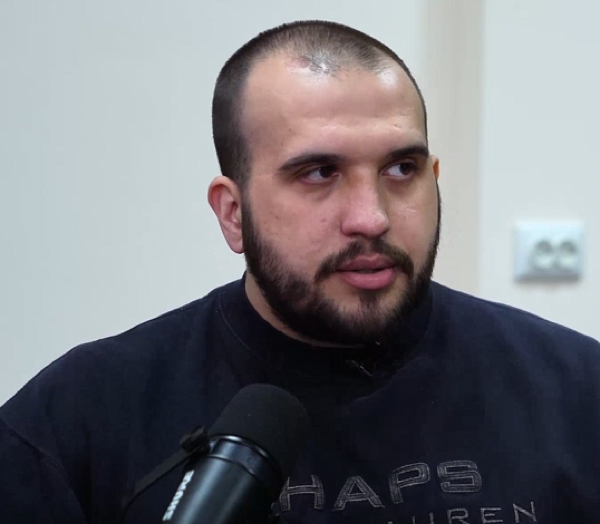 Dmytro Putiata
“You cannot rely only on drones, at least right now. Right now, we have a lot of capabilities and threats. So you need to understand how to use them properly and effectively.”
Dmytro Putiata
“I think a breakthrough is not particularly likely this year for Russia. I think they tried it. The best chance for this was last year — it didn’t succeed.”
 Rob Lee
“We will see maneuvers again. It’s going to happen. But please do not expect that it’s going to be like Robotyne 2.0. We will see things that weren’t done by anyone else before.”
Dmytro Putiata

Hi, it's Sam Cook, and welcome back to another episode of the Ukraine, uh, Military History podcast. This is part two, uh, of a two-part conversation. The first episode was a couple episodes back, our first release of the analytical series o- on the current war, which is The First Draft of History by Rob Lee and his colleague, Dmytro Pudiata. So this, uh, conversation, uh, continues where they left off, where they- they talked about the big reforms that Ukraine has made to stabilize the line, why 2026 is looking better and better, if you can go back and listen to that w- whole episode. But this episode also goes into, um, what exactly is the frontline evolving into, because this is constantly changing. What is the kill zone? How big is that kill zone now? It's- it's been expanding, uh, from just a couple kilometers to five, 10, 15, even 20 kilometers now on the front lines. And how, uh, is Russia and Ukraine adapting, uh, to this new battlefield reality, and what are the prognosis, uh, for 2026? They also look back at, uh, one of the last big scares on the frontline for Ukraine, a major breakthrough at Dobropillia and how Ukraine dealt with that, and what lessons they learned from this. So this is the second, uh, in a two-part series, again, of the current analytical situation filmed as of, uh, May, 2026. This First Draft of History from our top Ukraine war analysts, Rob Lee and Dmytro, who both obviously are here in Kiev, go to the front lines regularly. They'll be doing future episodes like this. Rob's actually going out to the front line and will be back, uh, to record some more episodes in, uh, June of 2026 about the current situation. So I look forward to you, uh, soaking in the second part of this series, uh, understanding The First Draft of History with our top, uh, Ukraine military history war analysts, Rob Lee and Dmytro. Before we start this episode, I just wanted to make a quick word to mention our sponsors. I'm gonna give you a brief introduction for our sponsors, and then at the end of the show, we'll do a longer discussion about each sponsor and what we're offering so that you can get right into the content. So this podcast is funded by the Borderlands Foundation. The Borderlands Foundation is a foundation that I established to make sure Ukraine's heroes are never forgotten, and we have two main centers that are, uh, in effect, the sponsor for this podcast. The first center is the Ukraine Military History Institute. It's an -speaking, uh, and , uh, speaking, uh, center, which is our mission is to translate Ukraine's history from , uh, into for the world, uh, to consume and learn from. Ukraine has a lot of allies who've supported it. Almost all of them, the common language of military officers, military historians and professionals is , so the Ukraine Military History Institute created and sponsors this. And I'll tell you all about our programs and how you can support the institute at the end of the episode. The second sponsor for this podcast is the Ukraine Center for Traumatic Stress. This is also part of the Borderlands Foundation. It's a center dedicated to research and raising awareness and, uh, helping to bring in to Ukraine, uh, cutting edge, uh, therapies, treatments, uh, protocols and education related to post-traumatic stress disorder. Uh, the heroes of Ukraine that are fighting this war, whether they're Ukrainians or foreigners who've come in to fight side by side with Ukrainians, they're writing this history, which creates the stories, which creates a strong future country, and those memories have costs, so we're dedicated to helping advance the research, treatment, and, uh, and, uh, breakthrough, uh, that all soldiers, veterans can have dealing with and overcoming post-traumatic stress disorder and mental health that arises from their service. And then finally, our last sponsor is the Borderlands Group. This is a, uh, for-profit company that donates the money to fund the Borderlands Foundation, all of our programs. I'm also the founder and president of that organization, and we do military advisory, advisory for, uh, defense companies working inside Ukraine, and consulting in software development and technical work, uh, for both governments and, uh, military defense companies. So with that, that's our sponsors. At the end of the podcast, I'm gonna tell you a lot more about each sponsor. If you're- if you're looking for ways that you can contribute to the Borderlands Foundation, our two centers, or if you'd like to work with myself, Rob, and other contributors for this podcast, I'll talk to you about how you can get in touch with us through the Borderlands Group for that.
I will come back to this Ukraine drone line, if you don't mind.
Sure.
You mentioned that we- we're gonna build... we had this idea to build-
Mm-hmm.
... kill zone, zero to 15 kilometers.
Mm-hmm.
Makes sense.
Yeah.
No doubts. But the point is that, well, I was a part of the brigades. I was part of this initiative.
Mm-hmm.
But the thing is that no one told us what does it mean and how to create this.
Right.
I mean, no one knew it. I mean, okay, you have this nice two words.
Mm-hmm.
Kill zone. Fine. Sounds great. Mm-hmm. It seems like that you can, okay, you're gonna destroy artillery here.
Mm-hmm.
Surprise their logistics. Sounds logical.
Mm-hmm.
Fine. But how to do this? How to implement?
Mm-hmm.
What kind of drones to use? What- what is the better way to use it?
Right.
And the point is that we still don't have it. Uh, the point is that those unmanned systems brigade, they're fighting their own wars.
Mm-hmm.
Uh, based on experience of their brigade, regiment or whatever, battalion commander.
Right.
It's a big issue. While Russians tried to create something, unfortunately, we didn't, at least for the last year. And, uh, what Russians forgot, and maybe one of the reasons they failed near Kupiansk, is that they divided the areas of s- responsibility, which is absolutely righteous way of doing, uh, but only for reconnaissance and striking.
Mm-hmm.
What they missed is area's responsibility of detection and interception. ... because you need to combine 24- warfare, riders, interceptor crews, w- which, uh, and software. Mm-hmm. Which is, well, right now they have it, but still, uh, last year they didn't have it. And in that case, you, you may say, "Okay, I am able to do strikes and I am able to protect our forces." Mm-hmm. They didn't do it, which shows that w- we are able to do it right now. I mean, at least due to the some kind of structure. Right. 'Cause it's developing. But the point is that even if it's developing, which is absolutely understandable, you still need to have something and then you need to probate, use it and see, "Okay, this was wrong, this was good." Mm-hmm. "This thing was absolutely right from our side. We need to scale it." As soon as Russians are doing this, this year I think we will see drawn line version 2.0- Mm-hmm. ... uh, where they will in- include this interceptor system and, um, maybe to divide this air res- res- responsibility a little bit in different way. And the point is that even due to the structure of brigade, uh, we have, like, uh, drone company i- in a lot of cases. Drone company per battalion, and, and a separate, uh, UAV battalion per brigade. Mm-hmm. It allows, uh, you to strike qui- quite deep. Mm-hmm. I mean, you don't need to have SBS f- forces or anything like that. You just need to have proper financial support and human resources inside of this manure brigades, because if your manure ba-battalion has UGV platoon, US, UAV company, uh, also inter- interceptor crews, it means that your battalion is autonomous and does not require help even from, uh, this UAV battalion and the brigade command. While your b- uh, uh, UAV battalion and the brigade command should focus on deeper strikes with, like, Ukraine darts, with American Hornet, with Ukraine D3, D4- Mm-hmm. ... kind of drones and other type of drones. But instead of that we have something on paper and we asking for the support for this, Uh, on UN systems force brigades, which is a little bit weird and not really, in my humble opinion, right way of doing. (clears throat) And, and this is one of the, (clears throat) again, this is one of the key kind of considerations, and it's really important also for foreign militaries who want to learn from this. More about- Yeah, absolutely. ... you know, what, what structural changes make sense? And I think it's important to keep in mind why, why, why explain to, to people outside, I'm like, UN Systems Forces is a branch. I, I think it makes sense to Ukraine in some respects. I, I'm, I'm- In some respect. Might be much, much, much lower, but yeah. I, I have a mixed view. I think, I think it made sense in that y- you need somewhere to develop kind of drone capabilities, you need to make a priority, you need a hub for R&D, other things, right? Um, as a separate branch that has, like, operational level concerns, I don't know it's, it's as beneficial in that respect. And there's a lot of redundancy you see between... in Ukraine w- where you have, you know, you have a lot of units doing DeepStrike, a lot of units doing naval drones and, and there's a lot of things where the competition is not always as helpful. Yes. I think it'd be more efficient elsewhere. Um, but, I do think it makes some sense in that, (clears throat) you know, for Western militaries, you know, US military is obviously a very strong air component, it has a lot of other capabilities that are unique. Drones should be part of this, but they should be, it should be seen as here is a thing that augments, complements existing capabilities, right? It's not something that, like, this is going to change everything right away. I don't think we, we need to look at it that way. I don't think we should procure drones for the sake of procuring drones. We procure them when it, when it makes our units more lethal, more effective, more flexible, right? Um, and, and, and how it looks for the US military is gonna be different from the Ukraine military. M- many of Ukraine's adapt... structural adaptations have happened since 2023. So when Ukraine's been on the defense basically this entire time, strategically on the defense, obviously they've had some, some offensive operations. So many brigades are, you know, uh, uh, and the drone kind of, you know, era had been basically on defense. Adaptations have been for a defensive military. And, um, (clears throat) you know, a lot of arm- armed forces is really focused on, you know... I mean, the, the plans are, are, are well known, but basically killing as many Russians as possible, inflicting, um, you know, unsustainable losses until Russia just cannot, you know, continue the war essentially, right? That's not always tied to maneuver, though. Whereas- Yeah. ... the US military, everything is fires, fires by itself is never... The purpose is always fires plus maneuver. How does it enable maneuver? And a lot of , you know, units and operations, it's more about we're going to try to kill as many Russians as possible, and there may not be any maneuver component to it, which again, a- as part of the strategy of this war, that makes sense, but it would not necessarily make sense for the other militaries. But also, in some cases, some units got moved to one direction for bureaucratic reasons, for political reasons. There's always internal jockeying between different- Yeah. ... different kind of branches of the military that, you know, one wants to be stronger than another one. And so they create redundant capabilities and, you know, for DeepStrike, again, like, you have, you have HOR, you have SBU, you have UN Missiles Forces all doing DeepStrike. Um, there's multiple units in UN Missiles Force doing DeepStrike. Pro- And Middle Strike. And Middle Strike. Um, sorry, SO is also doing DeepStrike. Yeah, by the way. Um, I'm sure, I'm sure we'll find new things doing DeepStrike later 'cause everyone wants to be involved in it, right? 'Cause again, and it makes sense, everyone wants to have a role in, you know, uh, undermining Russia's potential to wage the war. But it would be much more efficient probably if we have one organization dedicated to this mission. I fully agree with you, because right now everyone is doing what he thinks is right. What is, sorry, what is... looks sexy- Mm-hmm. ... 'cause ƒ(?) refining, burning, it looks nice. Yeah. But no one asking about the efficiency and how it was implemented. So I think that a big lesson for NATO and outside NATO countries is to, first of all, to learn as much as possible what Ukraine and Russia are doing and then to think how to implement something from that war into their armies. Because this war- ... showed and taught us that you can fight, uh, not just with, uh, 200 grands, uh, HIMARS missile. Right. You can have much more cheaper drones and they will do the same. (clears throat) And, uh, it requires kinda to think a lot about how you're gonna fight in the future. And, uh, through this, yeah, I- I- I got this idea that drones definitely should be part of the ecosystem. Mm-hmm. Not something like a separate one. And it's like, you know, if you have, um, modern aviation, not like , Soviet, post-Soviet or whatever- Right. ... uh, it should be also some capabilities for aviation where they do, they do combined strikes against the targets where those deep str- so-called deep strike drones for us will be the part of this system, which will be combined with missiles- Mm-hmm. ... ballistic missiles, cruise missile, and will hit one target m- more effectively, and that will destroy and not just target, for example. Mm-hmm. So this is one of the key things for Western, Western just other countries to understand how to use drones- Mm-hmm. ... as part of their ecosystem together alongside with artillery, tanks and et cetera, because drones are not absolute. Right. We have this... Unfortunately, we have j- just two totally different, but, mm, let's say undiplomatically wrong, uh, views where drones will destroy and do everything and- Mm-hmm. ... where drones just like for not developed countries where we're gonna fight in different way. I absolutely agree with the fact that other countries, other nations will find indifferent way. Mm-hmm. Sure. But the point here is that you cannot, in my opinion, right now, ignore drones, detection, and protection from it. Yeah, absolutely. And we're, we're seeing this in Lebanon now with the Israeli Defense Forces, you know- Yeah. ... having difficulty with, with Hezbollah. And Hezbollah FPV teams are, you know, they're like- Not even close to what- They're operating at a 2023- ... Ukraine and Russia. ... level of , kind of FPV teams probably. Yeah. Right? So far, far less sophisticated, you know, in terms of quality, quantity, training, experience. And it, it... They're, I mean, it's demonstrating that the IDF is having problems, in that they're having problems, it... I, yeah, I think it's pretty safe to say a lot of NATO militaries would have the same problems too. Yeah. And we see this in training exercises when, when Ukraine, teams go and, you know, operate with NATO countries. Um, (clears throat) all right. I wanna get back on schedule kind of 'cause we've gone on a bunch of tangents. Okay. But I wa- I wanna make two points though. One is when we talk about structural changes, I think they're irrelevant. I think it's really important to keep in mind too is that if, you know... Both sides are creating counter UAS teams. And by counter UAS teams, this is the wrong terminology. I'm not just saying teams that destroy, uh, intercept UAVs, but teams that hunt down u- uh, opposing UAV teams, right? Okay. And so Rubicon was doing this, right? And Ukrainians try... has, has companies doing this too. But right now, the, the focus is to put given, you know, UAS capabilities, so it's kind of drone on drone. But in many cases, artillery is actually maybe the most effective or one of the most effective things, as well as gli- you know, aviation, right, to, to knock out these positions. Because drones are effective but many drones struggle to really penetrate blindages, bunkers, so on. You need something heavier. And there is a g- there is a, a, a question of whether or not if you wanna create a unit, like a company and a brigade, right, just for countering UAV teams, like hunting UAV teams, it probably needs to be a combination of like ISR, some kind of strike, right? FPV, maybe bomber, and then maybe like one or two Howitzers, right? Yeah. And the combination effects is the ideal way of really countering UAV teams. Um, but that is a structural change that I think, I think will co- will come slowly, but, like, i- it is interesting how to think through this. Yeah, it's like combine arms, good morning. Mm-hmm. Ni- nothing happened, just the drone appeared as, as a extra tool. Mm-hmm As like extra opportunity and excess threat. But yeah, I fully agree. It's like, you know, when I was a battle captain, uh, during last summer, I ha- I had to counter Howitzers. Mm-hmm. And the problem is that if you use only drones against Howitzer, even if- Yeah. ... it's like a simple one to two- Mm-hmm. ... uh, well, good morning, but they're able to shoot down. They're able to jam it. Mm-hmm. They're able to create a protection. Mm-hmm. And, uh, the point is that I had to use artillery quite a lot. (clears throat) And, uh, only together with artillery, it was the most efficient way to destroy- Mm-hmm. ... or successfully suppress artillery. Mm-hmm. Not just drones and not just artillery. For me, they... We usually use like from six to eight rounds, which is not a lot. Yeah. But with the help of ISR- Sure. ... we show all the, mm, shells that kind of detonated ne- near the target, they correct, um, ca- they did mess- Mm-hmm. ... as artillery man do it. And, uh, we literally used drones, different type of drones, high explosive cumulative, uh, ammo- Right. ... just to de- to destroy the ba- cr- critical system of, of the artillery piece. And the same with drone operators. Y- they can have nets, they can have electronic warfare, they can shoot down. Mm-hmm. They can intercept your fiber drone with another drone or whatever. You cannot rely only on drones at least right now- Right. ... or just only on artillery. Right now, we have a lot of assets and capabilities and threats. Mm-hmm. So you, you need to understand how to use them properly and effectively. Right. (clears throat) I agree. And, um, okay, I'm, I'm gonna go back to, go back to what we were doing before a little bit to try and keep us on, on track kind of 'cause we, we went on tangents. Good, good tangents, but like- Yeah, okay. So (clears throat), all right. Let's go back to 2025, right? (clears throat) So (clears throat) I think Doropilia in August is a, is an important case study on what, what's gonna happen this year when we look at what happened last year in Doropilia, right? (clears throat) And so August 2025, maybe the most serious moment on the battlefield last year, I think. (clears throat) Um, the Russians had a really deep infiltration. It was east of Doropilia. ... um, where, you know, they made it, I think in some cases, 18 kilometers or more past the front line. And in some cases, they're just walking for, like, three or four days, just walking kind of, you know, the whole time. They... Some groups, I think the, the deepest they got was to Petrivka, this little village right north of the road between Kramatorsk and Doropillya. Some soldiers also got within three kilometers of Doropillya itself, so they got, they got pretty close to the city. Um, and it was, you know, a really significant moment. It got a lot of attention 'cause Deep State did this update where they, you know, showed, like, the bunny ears where it was, like, a really significant change, um, and created a big kind of media effect and so on. And, you know, I went, I went down to the area like a week or two afterwards, kind of, kind of, you know, tried to find out what happened. Um, basically, I think what happened that summer is kind of emblematic of challenges Ukraine had in 2025. So, there was a new brigade that was, that had been in this direction for some time, and that brigade had been pushed back kind of pretty consistently in this time, and it was difficult for Ukraine's defenses to kind of hold because this is the weak point line. And one of the issues that happened in 2024 to 2025, Ukraine built a new, a bunch of new brigades. Um, when they got deployed for different reasons, they had issues of, of their initial combat experience. Sometimes the commanders were guys who had come from, like, ............................ or other places that, that did not have combat experience. Um, they did not have the drone component because it was not part of the TO&E, right? So they deployed, but a lot of, a lot of brigades, you know, maybe half the drones they get are from, you know, nonprofits, charities, so on. These new brigades had none of that support because they, they just didn't have the background. And when they deployed, they, they lacked a lot of the drone component. Um, some of them had some big AWOL issues before this, and when they deployed initially, they had some real big issues of, of coordinating, of fighting, of, of how to do this. They got thrown into the fight, I think, way too early sometimes. Uh, in other cases, as a brigade was forming, they'd form one battalion. That battalion would then be attached to some other brigade 'cause it, 'cause you needed to kind of respond to what was going on in 2024. And so the, the formation of the brigades was, was often quite kind of flawed, and they had some big issues. Um, and so what happened to .......................... I think is kind of emblematic of some of these challenges, so that, that one of the brigades was, was struggling. They kept getting pushed back. Um, Ukraine pulled another brigade to replace it. That brigade had fought most of the war piecemeal, so, so as different battalions, and the battalions had done very well. Like, they're respected kind of battalions, but they had not operated cohesively as a brigade. Oh, okay. And, and one of the issues, and this is also an issue of what happened in 2024, is that quite often when Russians would advance in one direction, Ukraine would pull up a battalion or company from brigade, send it to a different part of the front line, and attach it to a different brigade. And this created all sorts of problems because this brigade would kind of abuse that, that battalion because it's not their own. They wanted to kind of save their own battalions. Uh, and of course, they'd go in a different part of the front line. They don't know the people. They don't know how to coordinate very well, where piecemeal deployments are just generally kind of a problem. And so this brigade, where the deep infiltration happened or, or part of it happened, um, you know, basically what I had heard was that when they came back to fight as a cohesive brigade, they had some real challenges 'cause they, they'd just not done this. They'd always fought kind of as separate battalions, and then fighting together as a brigade, they had some real challenges initially or coordination issues. There's also some big adjacent unit problems, right? And this has also been a consistent issue where brigades don't always talk to each other properly. You know, there isn't necessarily coordination between each other. Um, and the last one, which is, you know, an issue, I think, that's been a problem for, for a while, is that when there are issues, brigades won't always acknowledge what's happening, right? So, if they lose a position, um, commanders at different levels will get relieved if they lose positions, and so... Or, and in some cases, they'll be ordered to counterattack to retake a position. They lost it because they don't have enough people, and then counterattacking is just not gonna succeed. And so sometimes commanders have gotten into the habit of not acknowledging losing a position because either they don't want, they don't want to get relieved, or they don't want to kind of turn down a, a, a counterattack order they know is not gonna succeed. Um, and so this has become a problem where, you know, two units, adjacent units wanna lose a position. That adjacent unit will get attacked from the side where they thought they had friendlies, and they'll be like, "What, what's going on here?" And that, that's kind of an issue they're having before. And some of the advance to 2024, like some of the towns that they kind of advanced in, this is one of the problems that happened. But basically, you had these internal issues, um, and, and I think this might have been, you know, a contributing factor to some extent during this thing too. And so anyway, infiltration happens. Um, ultimately, I think the Russians were surprised. I think they, they got further than they, they thought they would. They didn't have a force to exploit it. Um, they did get a lot of guys through. I think, from what I was told, it was like maybe 200, 250, 300 guys, you know, a week or later were, were, were in this- Okay, whoa, whoa, that's a lot. ... yeah, in this area. They didn't bring up armor, though. They didn't, they weren't able to bring up capabilities, and they'd kind of moved beyond the range of which UAVs could support them, right? Mm-hmm. And so then when Ukraine kind of responded, um, they, so Ukraine brigades who responded brought up armor, so 93rd Mechanized Brigade, they had to pull the reconnaissance battalion. They also pulled up a lot of UGVs and used UGVs in a kind of offensive way. Um, but a lot- Tanks? But a lot, a lot of the counterattack was tanks- Yeah. ... because again, it was, it was, you know, 20 kilometers from what the m- the front line had been. Yep. And so ... You know, okay, Russia did infiltrate Mavic teams with them, but they were not bringing up FPV teams the same way, Molniya teams, so on. And so tanks could operate again effectively, and they did a good job, right? And tanks can, can still be quite effective when you set conditions. Uh, 93rd Brigade also used UGVs in offensive ways. They'd bring up UGVs with, with mor- uh, with machine guns. Mm-hmm. And basically, they, because they couldn't pull their own battalions off the front lines to respond, send a UGV into a village first. And then if you, if any Russians shoot at the UGV, you can then kill them with UAVs. It's kind of a, kind of like a movement to contact, essentially. Uh, some of the UGVs were used to kind of try and burn down tree lines where they thought Russians were, so they could, like, like, kind of drop gasoline, light it on fire with a tracer. Okay, interesting. Yeah, that'll burn. In- interesting kind of new tactics. Um, but, you know, the response was, so Ukr- Ukraine redeployed 1st Azov Corps, so the corps took over responsibly for the sector. Um, they redeployed a bunch of UN missions forces units that were there, special operations units, some assault units, so on. And so, you know, Ukraine was able to stabilize it and then basically to push back Russia across this kind of area, right? I think it was important because i- it showed the problems that Ukraine had faced before. It showed that, you know, Ukraine was still able to hold it once they reinforce. And then after this kind of infiltration occurred, this, th- this became Russia's big plan for 2025, right? So they pulled all the naval infantry brigades, a- almost all of them from Sumy, from Kherson. They, they focused in that one direction. Naval infantry brigades also had, like, you know, in some cases, 90% of their equipment- Yeah. ... still remaining. So way, way above the wha- what was normally sh- normally the case. Um, and they redeployed a bunch of Rubicon units too, right? So Rubicon, it was like Rubicon, I think Dnipro was there, Rubicon Center, Rubicon seven, eight, I think Rubicon distance mining was there, PBO. So basically Rubicon reinforced sector two. And so basically Russia made this big priority, um, on ... and again, we, we know the, the, the operational goal was to, to encircle ............................, right? So from, come from Lyman, then come from Doropillya, and try and connect in Bohdanivka. And so th- you know, this is the big, big for the success. And center group of forces also had a significant amount of assets app- you know, a- applied. So it was also Eighth Combined Arms Army was part of center group forces, even though it's typically, you know, part of southern dis- military district. Uh, 68th Army Corps was also attached to it as well. See this really big priority of, of FPV teams, of Rubicon, of naval infantry, right? So on, um, and yet it didn't succeed. And I think this is one of the more m- important kind of things to, to, to talk about for 2026. And it didn't succeed for a few different reasons. One of the reasons is that when the naval infantry got redeployed, um, 51st Combined Arms Army lied to the naval infantry and told, uh, uh, telling them where the frontline was. Classic. Yeah. Very classic kind of, uh, problem that military still has. So there's a village called Rubizhne northeast of Doropillya. And during this kind of deep infiltration, the Russians got near Ru- Rubizhne, but, but didn't, didn't hold it. And of course, when, when the naval infantry guys redeployed in like September, October, um, the, the bunny ears had been cut off by Ukraine units. And so they, you still had a pocket there, but it was kind of cut off. The frontline really was kind of down by Novotarask area. And so the, the naval infantry guys were told Rubizhne was held by 51st Combined Arms Army. The real frontline was like, maybe 10 kilometers away. Mm-hmm. Okay. And so the fir- the first mechanized assault, uh, they were told completely kind of wrong direction. And they, and, and the first assault was, was defeated, you know, quite easily by, by UAVs and so on. Um, but the, the, the lying was a big contributing factor here, where they, they didn't know the frontline was, uh, they were deployed and, and the navy actually lost a lot of people in this initial assault, right? Which they, they couldn't afford to kind of lose. And so that was a big kind of contributing factor, but I think in general is just, you know, when, when Ukraine deployed its own reinforcements, its own assistance forces, units of its best drone units, its, its other kind of capabilities and Russia did the same, it demonstrated that Ukraine can still hold, right? This was not sufficient for Russia to overcome those defenses. And the, the, the kind of their approach of last year of r- you know, reinforce the Rubicon, you know, deploy our best naval units, this combination did not lead to success. And I think that's a really important thing to keep in mind for 2026 that, you know, I think a breakthrough is, is not particularly likely this year for Russia. I think they tried it, I think the best chance for this was like, you know, last year. It didn't succeed. And there are some, you know, qual- some different reasons why the situation, I think, is better for Ukraine now. And so that's why I think, you know, maybe a breakthrough is, is less likely. And Doropillya is a useful case study in examining kind of what went wrong for Ukraine. Some of those things have been, I think, fixed or improved upon, and then some of the issues I think are still there. Uh, yeah. You know, like, when Russians captured Avdiivka- Mm-hmm. ... in 2024, I noticed how they, at the kind of strategic level, how they changed their approach. They were quite e- uh, quite easily to take their forces from one direction and to move them to another. They had this, uh, you know, like, adaptability to the situation. Mm-hmm. That they didn't have before. And, uh, it seems like, at least from my perspective, when they managed to break through this Doropillya direction, they didn't plan it initially to make it. Mm-hmm. It seems like is that, um, they have this, you know, like, tactics of infiltration. Mm-hmm. And, uh, if it goes, it goes. M- it seems like they've ... this is how I see it, is that f- maybe for this critical, maybe one week, maybe five days, maybe 10 days, maybe f- for this critical period of time, they even didn't believe that it happened. Right. So it, it seems like that it took them too much time to redeploy those kinda free fresh forces- Mm-hmm. ... fully equipped with manpower and- Mm-hmm. ... vehicles, to deploy them from, uh, Kurs- Sumy and, uh, as I said, from Kherson direction to Doropillya. They literally lost this time opportunity. Mm-hmm. And I think it's one of the reasons they fail. And you mentioned that they are lying, well, yeah, quite a lot. This, you know, like, they, they have this, um, kinda way of approaching where they kind of say, "Okay, we already captured those villages, for example." Mm-hmm. But they did not. And they are, uh, telling their superior commands that, "Yeah, we op- we, we hold position in these villages." Mm-hmm. So superior command saying, "Okay, if you hold these villages, you need to advance from these villages to that direction, to that direction." Yeah. "Is it okay?" "Yeah, sure." And then division, uh, commander is thinking, "Okay, if I need to advance from these villages, but I'm not there, maybe, uh, firstly I literally need to do it-" Right. "... to capture that." Then they go trying to capture it, and they're failing and dying. Mm-hmm. And the problem is that it seems like this superior command, they do not really understand what kind of forces right now they, uh, they operate. And the quality of these forces is, in a lot of cases, in terms of infantry, is not as it used to be years ago. I mean, same as, same as with Ukraine, that's kind of unfortunate natural way of... ... of doing during the wartime, so you have this degradation. But it seems like that, uh, the perception of the war from generals, it's far from the reality. They do not really understand how it's going right now on the ground. Right. That's why they, they tell them, "Okay, you need to capture this," some, I don't know, tree line till, till 31st of May. Mm-hmm. You need to do it. Right. So, uh, battalion regiment commander, he understands, okay, it's, it's not do- doable but I was forced. And they're trying to do that and they suffer a lot of losses because of that. Yeah. They don't have proper planning, they don't have reconnaissance, they don't have concentration of fire. Right. That's why they... it seems like they are not able to break through. And, and that's, you know, uh, it's lying is a problem in both militaries. Yeah. I think it's a bigger problem in the military, but it is a problem in military too. Um, but, you know, in these cases, so th- you know, this is one example of, of how lying create a big problem, and after that happened, 51st Combat Arms Army commander was relieved. So there, there was like an FSB investigation about what happened, they, they fired him. Um, but ultimately, it comes from the top, right? This is Putin consistently gives the military unreasonable objections, right? Yeah. I mean, obviously from the beginning, but even now, it's, it's they get demands that are just unreasonable, and then generals down below the command, they basically have to execute those orders. They'll say, "Yes, like we'll do this," and then as, as the orders go down the command, right, they g- they have a timeline. If you don't meet that timeline, you'll get replaced, and so you incentivize guys to lie, as you said. They take, they take villages on credit. They say, "Oh, we took this village." They didn't take it. Or incentivizes the kind of flag showing things where either drone drops a flag to show they took something or they send guys forward who are gonna be killed just to plant a flag. Yep. Have, have, have a Mavic show up and then the guys who get killed, they don't hold anything. Um, and so th- they're, they're unnecessarily losing people, but also in order to overcome Ukraine's defenses, you have to do proper planning, right? And it's, it's true on both sides, where both sides, if you want to do an offensive that succeeds, you have to take time, do a deliberate plan, find a weak point online, degrade the defenses there for a period of time, and then have... I, I do do rehearsals, do some kind of cohesive training and do, you have to have very good execution. And w- you know, Ukraine, there's, there's criticisms of assault units that sometimes they do, they do counterattacks before those conditions are there and, and they lose people because they have not set conditions for, for using man- a- armor. Um, Russians do that all, all time too. And again, in the case, case of the infantry, some of these assaults, the infantry weren't even doing suppression. I mean, it were just, you know, really significant failures, um, and, and it, I think it was a big, you know, command kind of issue for them. But I think this is still a, a really significant vulnerability for Russia where their adjacent unit coordination also is quite bad. So in Kupiansk, you had two regiments. One was in the city, one was north of the city. Those two regiments were not talking to each other, and so when Ukraine did its counterattack, uh, the regiment that was getting pushed back north of the city did not tell the guys in the city anything was happening. Mm-hmm. And then suddenly, the guys in the city started getting killed and they're like, "What's happening?" We didn't, we didn't see this coming. Um, but it is a vulnerability where Ukraine can do offensive operations and if they, if they attack between the seam of two units, the two units are probably not talking very well. They're probably lying to each other and the, and, and it creates kind of r- r- real kind of vulnerabilities. So, um, I think it's a really significant thing, but I think ... So like talking all about 2025, right? We come back and try and kind of put it back to where we are now. So Russia's approach, right, infiltration, development, development of Rubicon kind of improved, you know, drone employment kind of, um, you know, the drone line initiative, um, um, like really kind of understanding that drones are a kind of key part of this war. Um, that led to a faster rate of advance in 2025 than 2024, right? And I, I forget the numbers exactly, but they advanced at a faster rate. Um, did not achieve a breakthrough. But, you know, they are taking kind of more territory as you go. Um, so we get to this winter, right, and, and, and again, like last November, October, Russia, they, they got into Pokrovsk, right? They had the battle for Pokrovsk, Myrhorod, right? They've taken both cities essentially at this point. Um, we get to 2026, right? So seasonal dimension, Russia typically advances slower in the winter than they do in summertime, and so now we're, we're approaching summer. Um, you know, the season- seasonal changes, weather changes should kind of provide a greater advantage to offensive operations than the winter does. But, I do think the reasons why I think I'm, I'm more optimistic now than, and than last year this time, and why I think Russia is gonna advance, uh, have more difficulty advancing this year than last year, is that there's, there's a number of things that are different, right? So Ukraine has, has adapted to infiltration, right? So brigades know how to deal with infiltration. Uh, they've repurposed reconnaissance units, they've repurposed SOF and so on to kind of focus on counter-infiltration, right? Infantry know that you're going to have guys behind you, you can still hold your position as long as you're being resupplied properly. Ukraine has developed logistic system for UGVs, UAVs that can sustain infantry even with infiltration. Um, Ukraine has also learned to d- deal with Rubicon, right? So they learned to deal with, you know, strikes behind the front line, deal with the kill zone, you've got to walk a certain amount, how to do logistics, so on. They've, they've, they figured it out. They figured out how to maintain your UAV capabilities even as you're getting targeted, right? So Russians are getting targeted with CAVs, artillery, so on. Um, so for all those reasons, I think Russia's approach, you know, it, it, it, their approach in 2025 was an improvement over 2024, but did not lead to success or not, not like significant success. Um, now the question is, what is, what is Russia going to do this year? Because if they keep applying the same approach, you're going to see diminishing returns most likely, right? And I think they have to adapt in some way. And as you said before, right, 155th Naval Infantry Division, determined infiltration is not achieving the results they need. They need to go back to using armor, but for armor you need to set conditions for using armor. Yep. It's not impossible, um, although it is a big question, can Russia do it at this point, right? Given issues with, with lying, with, you know, unrealistic political objectives, with an inability to coordinate, adjacent unit problems, kind of command and control issues. ... can they actually set conditions to, you know, sufficiently degrade, suppress Ukraine UAV positions on a certain part of the frontline to enable maneuver, right? And also, par- part of maneuver, too, involves you really need interceptor teams, uh, that are effective, and- and you have to use interceptors as kind of, like, offensive counter-air. I fully agree. Same with other type of drone operators, or at least other kind of capabilities to launch drones. Right now, with technologies, you are able to launch drones from Kyiv- Mm-hmm. ... and you will- you will take part in this maneuver offensive. Just, I don't know, you know, like, you put a box, you open the box, and FPVs are- started flying. Mm-hmm. It's doable. We will see a lot of things like that, I think quite soon, so yeah, I'm- I'm also quite optimistic. We will se- see, uh, as we said, like, multiple times, a lot of, uh, good presence- Mm-hmm. ... for- for us, for Western society, yeah, and, uh, we will show that maneuvers are possible during this deadlock drone warfare situation. Right. So yeah, I- I think there's- uh, there are two kind of main factors that influence the battlefield, right? There is the relative manpower situation, and then the kind of relative, like, drone employment, maybe, situation, right? So from manpower, this has been Ukraine's big challenge for- for a while, right? We know that brigades are undermanned. Um, they're well below kind of table organization strength. Um, there's not enou- you know, infantry, there's not enough, you know, p- people in different positions. Um, when- when Fedorov took over as Minister of Defense, uh, he mentioned publicly that there was, like, 200,000 people who were AWOL in the military, like, two million people who were avoiding mobilization. Um, this remains the big challenge of, you know, th- there's a significant number of people going AWOL every month. We know this. Uh, mobilization, the numbers have increased since they were a year ago, but obviously, a significant number of people go- go AWOL and desert from the training centers right away. Um, other people desert 'cause they get exhausted and they- they don't get rotated. Um, I would say, though, I think what we've seen recently, though, is that there's bu- there's been a slight positive development in the manpower situation up front, where brigades are still undermanned, but I think they've increased their numbers slightly, right? And it's the first time we've seen improvement in a long time in the war for the manpower side for- for Ukraine. And I think on the side, so Russia still has a lot of people, and the- and the- and the plan for this year is, like, I think they'll recruit, like, 409,000 people. I think that's what horror kind of said. Yeah. Uh, and last t- three years, they exceeded their quotas, right? They- they- they recruited more than 400,000. I think last year was, like, I think it was around the same number and they- they- they- they met the- Close to that, quite s- quite close to that. ... and- and- and they- and they met th- they met their quota in the beginning of December, right? So they- they- they- they succeeded. Um, thus far this year, they're having issues, though, right? Yeah. And so they're- they're not- they're not exceeding the number so far. Um, obviously, we know a lot of people volunteer 'cause the- 'cause of significant financial benefits, right, which is, like, money that a lot of people can never see otherwise in small towns. Um, many people also get coerced into serving, so either prisoners get kind of coerced into serving or people... P- police are giving quotas of a certain number of people they wanna get, you know, contracts per month. They're incentivized financially to do this, but they can also go to people and just kind of just say like, "Okay, like, uh, y- we're gonna put you in jail for something. We're gonna make up a charge, or you can sign a contract." And they kind of coerce them to serve. Um, so that's still a kind of key component. They wanna, I think they wanna recruit, like, 20,000 foreigners as well. They're probably not gonna meet that quota this year. Um, th- they're probably having more problems, I think, recruiting foreigners now. Um, but Russia traditionally has met their numbers. I think thus far, they're struggling to meet their number, but I think what's (clears throat), when you talk about the relative situation, I think this year, they're probably gonna have more difficulty recruiting the numbers they had previous years. Um, they can still do offensive operations. They're still gonna get more people than- than Ukraine will, I think, (clears throat) but Russia depends on a kind of significant manpower advantage to really a- advance, right? And if that advan- advantage decreases, then the rate of advance is probably gonna decrease as well. They could probably do offenses in fewer direction at a time, less likely to achieve a breakthrough, and probably create some oth- other kind of issues. Do- do you think that's kind of roughly the right kind of way of looking at it? Yeah, I agree, because if this recruitment system i- i- uh, sorry, this recruitment campaign they have right now continues in the same pace they have right now, till the end of the ve- the year, they will have a gap, like, from 15% till 17%. Mm-hmm. So it's gonna be, like, the first years that they didn't manage to recruit the needed amount of people, and this recruitment is needed also to fulfill gaps that, uh, was kinda provided by the losses- Mm-hmm. ... during the fights, and you also need to create and reform new units for that. So I think they will face these issues. We already mentioned today that, um, they have a problem with r- recruiting students. Mm-hmm. Apart from that, they have problems right now with recruiting, yes. And- a- and for students, it's- it's a one-year contract to join armed forces. Yeah, a- a- allegedly one year 'cause everyone else- Yeah, I mean, yeah, kind of one year, but it sounds quite not bad- Yeah. ... because you're gonna be a millionaire. I mean- It's a very lucrative financially. Yeah, I mean, with rubles, but still mi- millionaire. Yeah. And, uh- But the- the idea is people who are in university, take one year out of university, come back. Now, everyone else who gets, who signs a contract, you are in the military until the war ends, basically. Um- I think so. ... they say this is a dif- a different deal for these guys. They probably have a good reason not to believe this is the case, but some of them have signed up, but as you said, the numbers are far below what they are hoping for, and in particular, they need to get talent. They need to get the, you know, technologically savvy Russians, young Russians to serve in these units. If they don't get it, they're just not gonna have the same innovation level, right? It's just not gonna be possible. Yeah, as Ukr- as Ukrainians- Yeah. ... have, but, yeah. Um, (clears throat)- You were talking about n- units being formed. What units did they try and form last year? And what units are they trying to form this year and how do they, how did that go? Well, for the last year, you know, they kinda tried to mostly reform- Mm-hmm. ... existing units from brigades or from regiments into divisions in kinda, in 80%, 85, they failed to do that- Mm-hmm. ... because of huge losses. Despite the fact that managed, they managed to fulfill the quota of recruitment but they still didn't manage to, uh, to do these reforms. Uh, is typically to, to elevate a brigade to a division, right? Yeah. That's the most part. Yeah. Also, uh, three arm- their three cores they wanted to make armies. Yeah, from, mostly from Leningrad military district to make them combine arms. Mm-hmm. Uh, which also requires quite a lot of resources and unfortunately for us, Russians are not doing the same mistakes that we do. Mm-hmm. They, they had a chance, okay, we planned to do this, so we need to do this, but no, they face the problem with any amount of personal, so they said, "Okay, we're not able to do this. We're not doing this." Ukraine, unfortunately, seems like they would do on the country, okay, we plan to create five minute brigades. We need to do that. And no one cares about that those minute brigades have like 20、30% of personal and needed equipment. Right。 Fine, we will create a brigade. Russians didn't do it unfortunately. For this year, they have, uh, a little bit small appetite in terms of reforming but from, personally for me, it was very interesting to see, uh, that they're gonna rechain the, the most elite VDV division, or in general division, the 76th. Mm-hmm. That is, that is the part of Leningrad military district, think it's gonna be assault, uh, corps. Mm-hmm。 No army corps, oh, sorry, sorry, yeah, air, air, air assault corps. Air, air assault corps, uh, all those regiments that right now in divisions will be transformed into the, into brigades. Mm-hmm. Uh, brigade will consist of like three battalions, UAV battalion. Mm-hmm。 I mean, also UAV companies per battalions。 Right。 They're gonna also create, um, reconnaissance, uh, brigade- Mm-hmm。 ... artillery brigade- Mm-hmm。 ... uh, also will form a UAV regiment so it's gonna be quite, if they manage to do this- Mm-hmm。 ... it's gonna be quite efficient and strong unit. (clears throat) So i- it's interesting that both naval infantry and VDV are being scaled, right? So the naval infantry last year they scaled 55th, uh, sorry, uh, 155th and 336 brigades- Right。 ... into the 155th and 122nd, sorry, 120- Yeah, 120。 ... 120th, oh, 120th divisions. Now that is not divisions, right? They are actually just, they have one regiment essentially- Yeah。 ... with, with thanks so I think, I think they're probably like four to five thousand, you know, strong. Uh, yeah, I mean despite the fact that it's only one regiment but this regiment, for example, in 55 division is like 4K personal- Yep。 ... which is more than average regiment- Mm-hmm。 ... but still it's definitely not a division。 Right。 It's one regiment so the question is what was the point of doing this? Right。 I don't really understand。 But in this year they want to scale 61st- Yes。 ... and 8th into divisions too, right? Uh, the 40th。 40th, okay。 40th and this, uh, 61st division。 Yep。 Yeah, I mean, maybe they will, they will be able to do that. Maybe it's gonna be again one regiment division。 Right。 I don't know, it's... But it's interesting so naval infantry is being scaled and then VDV also, so VDV now, um, they already scaled, you know, brigades into divisions, right? So they, they have- Yeah。 ... two, they have two brigades still, right? It was 11th and 83rd, uh, because, um, was it 31st became 104th division。 Yes。 Um, so that already happened and then, (clears throat) um, you know, they're, they're, they're, they're continuing to scale all their components to it. Right now the VD, VDV has a 20th, uh, unman systems forces battalion as organic to VDV and you said they're trying to scale up as well and create their own kind of capability。 I think it's going to be a brigade, VDV brigade in the future- Most likely, yeah。 ... and, and, uh, they are scaling this, uh, the 36 separate, uh, assault regiment is going to be another VDV division- Mm-hmm。 ... which I, I know it's, I think it's, it's pointless. It's like way too much. Yeah。 It has so much VDV components that not able to transport via helicopters- Right。 ... or planes, so it's, but just a brand, you know? Well, I mean, I guess it's a question of eliteness, right? Then- Sure。 ... then again, it, it is a question of to what extent is VDV naval infantry more elite than regular units at this point. There's some question there, I think it's, it's probably an element of it to it but, um, it is interesting to see though because they are very key way of viewing the military what the military views of future warfare, like what's useful, what should we be scaling, so on, what capabilities do we need. So, you know, naval infantry obviously they're spread out across the, the, the country, um, so every, every fleet has naval infantry component. Um, and so they're scaling those VDV is also the kind of quick reaction force, you know- Yep。 ... strategic force of the, the military so I think that's quite notable. Um, so (clears throat) I'll, I'll, I'll get back to e- the UAS side. (clears throat) So, uh, give me a sec, let me look through my notes. Um, (clears throat) so anyway, manpower side we kind of covered, right? The second I think key faction on the battlefield is really just UAS and drone kind of employment, right? You know, and as a relative thing it's hard, it, there's tactical, operational, strategic, so on。Um, (clears throat) one of the reasons why I'm, I'm more optimistic now (clears throat) is that I think Ukraine has, has, has not just kind of maintained but kind of increased the upper hand on UAS, right? And so middle strike is probably the best example。I think deep strike, the quantities are increasing for Ukraine, right? So Russia's had this advantage at the beginning of the war, Ukraine is increasingly kind of, you know, k- kind of pushing in there too. In some cases maybe e- e- almost quantitatively launching more drones, deep strike drones in some months. Um, we know there's some missiles that are, that are being, you know, developed like some are missiles. There are also some kind of like foreign missiles or, you know, drone missiles so on. Um, I think that part's developing quite well. Middle strike is maybe the most kind of important development I think in this, in this realm, right? Because, you know, Russia... ... so they- they've been using Geran drones for operational strikes too, right? So they- they- and- and so some of them are strikes done by the general staff, some are operational strikes done by the group (...) Uh, also tactical. (clears throat) yes. They- they also use ground types of drones against- (clears throat) No, they do. ... uh, control parade of possessions. Yeah. They do ... And so they've had that advantage for a while, right? And- and- and it supplements the glide bomb so that's alwa- always been an advantage too that Ukr- Ukraine never has had a- a full kind of solution for that. Um, (clears throat) and then, of course, you know, w- when, uh, with Molniya, with BM35, (clears throat) this became another issue when- when they- when they started putting Starlink on them, right? And this created this really big challenge in January when, with Molniya, you had this very cheap operational drone kind of capability and Russia started going after the- the main road from Pavlohrad to Petropavlovsk, um, they started knocking out, you know- you know, just regular trucks, um, but this became a really big threat in January, uh, if Russia can, you know, scale operational depth strikes, it's gonna be a big problem for logistics. Um, now of course Starlink was cut off, and this is one of the big kind of developments, but I think these are kind of two of the reasons for kind of relative optimism compared to last year is that, (clears throat) um, Ukraine is now a- a quite cable middle strike capability right now, whereas any- and you- and you kind of divide it into different kind of groups. I think Fedorov, he tweeted and he kind of- he- I think he termed middle strike anything from like 30 to 150 kilometers past the front line. Mm, okay, fine. I thi- I think- I think- That's acceptable ... that was the number. I might be wrong. Okay. I- I kind of would say middle strike is, um, maybe anything more than 30 kilometers past the front line and- and- I see so. ... and- and- and I would kind of include all the occupied areas, right? I'd say all this is kind of operational depth, you know, middle strike capability, right? Maybe that's wrong. I- I- I would include Crimea too. Again, maybe that's not true, but, like I- that's my view. (clears throat) Um, but what I would say is, you know, development of FP2s, um, is kind of these kind of big kamikaze drones, like 100-kilogram warheads, uh, other things like Bulava, RAM II X, you know, the Hornet, um, other kind of, you know, middle strike drones, some of these have, you know, small warheads that can hit a truck but nothing bigger than that. But the- the quantities are increasing quite significantly, the quality is- is increasing too, and right now Russia doesn't have a good answer to this, right? (clears throat) And, you know, we saw the last five months a significant number of U- air defense systems have hi- been hit by FP2s or Bulava or so on, uh, you know, at- at quite significant ranges. Um, but not just that, we're seeing hits on command posts, on warehouses, on logistics depots, on ... um, I don't know what that is. I maybe will correct here. Okay. But I'm not sure that it was that we are striking a lot of command posts right now. Mm-hmm. Uh, because, that's my opinion. Mm-hmm. I have no facts, uh, but the problem is that command posts- posts, even battalion level- Mm-hmm. ... they are deep underground. You... and honestly with this quality of warhead for our drones, e- even F- for FP or- Mm? ... German one, whatever kind of drones, seems like it's not really possible to penetrate this. Okay. Maybe that's why we are destroying so much air defense systems- Mm-hmm. ... as it won't be able to cover this area- Okay. ... and it means that we'll be able to use, uh, our aviation more because you n- Mm. ... if you want to destroy regiment command post- Right. ... you need to use, uh, mm, British or French, uh, cruise missile- missiles. Right. A couple of them at least. And then you, okay, this one is destroyed, seriously damaged or it- it cannot operate anymore. Mm. Maybe that's, uh, the things why we are destroying so much- Mm. ... uh, air defense system because, as I said, uh, it's not 2022 where Russians place their HQs in restaurants and- Right. ... uh, two-storey, three-storey buildings. It's right now deeply underground and it's quite hard to penetrate with, at least with drones. Mm. (clears throat) Yeah. So w- what do you think the implications are of- of the middle strike campaign? Like what- what effect do you think it's gonna have on the battlefield itself? I can assume there's gonna be a huge effect. Mm-hmm. Um, yeah, we may say that will adapt to that but the question is when and with what kind of price. Mm. And what they will lose, uh, if they adapt? Mm. Because you cannot adapt literally to everything. For example, I mentioned air defense f- systems, so also, for example, radar system, like for example, P18 radar. Right, right. So e- it's able to cover some- some kind of area- Mm. ... like, I don't know, like maybe 60 kilometers, so it has some kind of tasks. Mm. If you destroy it or target it... So they have two variants, to continue staying in this area plus-minus a couple of kilometers- Right. ... and being destroyed again or to- to move deep. If you move deep you're already losing and missing something. Same with air defense. Mm-hmm. In terms of, uh, ammunition depots, uh, fu- fuel depots, um, warehouses in- in general, all the stuff that we are striking right now, same here. They used to place, uh, all of that at a distance of 60, 80 kilometers, which is not reachable for HIMARS. Right now it's like 120. Mm. I think we will make... we will force them to- to place them at least 200 kilometers from the front line, and in some cases they're already moving, uh, those warehouses to Russia- Right. ... where they think they have better protection. All of this, um, helps us to w- kinda win some kind of time- Mm-hmm. ... f- uh, for better preparation and, uh, their logistic suffers. I mean, their trucks are suffering and their, uh, for example, ammunition depots are suffering. Mm. Uh, it means that you're unable to do supplement, rotation. It requires much more time, i- it requires much more fuel and fuel also is being struck, targeted. Right. So this will create much broader problem for them, uh, because sustainability of your defense, uh, of the f- of the army, of any army, it's not just about- ... whether you're killing enemy soldiers. Mm-hmm. Uh, maybe you are able to stop the f- uh, the enemies advance, but the best thing is to combine, and they are finally combining. Yep. So, I think we'll see much more with that. Yeah, I mean, I think the, the effects again, it's- it's- it's... I like to compare it to, like, a year ago, right? A year ago, Ukr- Ukraine has always had pretty good intelligence on where targets are. Yeah, with the help of Western allies, yes. Yes. Um, and- and yes, the- the, you know, other reasons for optimism is that Western support for Ukraine has gotten better, right? 'Cause in the beginning it was, we had to create, create new structures entirely, the- the trust is not there. Maybe there's still trust issues based on what some, some, you know, foreign politicians say in Ukraine. Uh, yeah. There still is that issue, but, um, (clears throat) the- the connections between Western militaries, intelligence agencies and ones has improved dramatically, like, the- the targeting process become more sophisticated, the relationships have become more mature. And so, a lot of the things has improved a lot. Um, I think for, (clears throat) um, (clears throat) for middle strike and compared to a year ago, right, Russia could... Lo- logistics were easier to- to operate a year ago. Just significantly easier. Yeah. Absolutely. You can move trucks much closer to the front line. You can't do that easily now. Approximately 20, 20 kilometers, you are fine in a lot of cases. (clears throat) Yeah. And so, um, (clears throat) that's not safe anymore. So, th- so, th- I mean, again, they're- they're gonna adapt, they always do adapt, but the adaptations will make them less effective, less efficient, right? And so, um, they're already moving fuel back further from the front line, right? Logistics again moved back further from the front line. Yeah. You have to use more trucks or smaller trucks or ATVs instead, right? You need to cover also them. (clears throat) Right. So, all those things become a bigger issue. As you said, you need EW counter UAS teams, you need air defense teams. These are all guys who cannot be assault men and other things, right? To s- to kind of supply this. Um, all that's going to become more difficult, and (clears throat) this is going to make offensive operations more difficult for U- for Russia. Um, but also, look, I mean, it gives, it gives better prospects for Ukraine to do offensive operations because you can try to isolate areas by doing operational strikes. You can degrade logistics in a part of the front line, and then try and kind of isolate, you know, brigades on the front line and say, "Okay, we're gonna, we're gonna make logistics very difficult for this one or two brigades," and that could set, yeah, could set conditions for successful offensive operations. Again, not saying Ukraine is going to drive to Crimea or something like that, but, um, you know, when you look back at what happened Kopanskoye-Huliapole, uh, the operations were successful. They could have, they could have gone far better though, right? There were- Yeah. ... opportunities for improvement and, uh, you know, again, another reason for optimism is that (clears throat) it demonstrates that lines are not that strong. There are vulnerabilities there. Uh, sort of, they don't have defense line as it used to be like during, uh, summer counter-offensive in 2023. They have, like, three different lines. Right. But now it's like a thin line and nothing is behind, mostly, mostly. Right. Well, you- you have the initial line of infantry, but the infantry don't have much in the way of anti-tank weapons. Um, and again, th- th- their entire concept is we have to go forward. We- we have a timeline we have to advance forward, right, based on political, kind of, you know, objectives. Mm-hmm. And so, they're entirely focused on offensive. And so, the initial line are guys who are, who are using this as a jump off position to go further, and you have, you have positions behind them, but that's, like, dugouts to support offensive operations, not defensive. And basically, the defenses are held by UAV teams, right? It's Maverick teams, FPV teams. It's the assumption of that Ukraine tries to do offensive, we can stop it with FPVs, Molniya, Mavericks, right, what have you. Um, if you target those teams, if you knock out logistics of those teams, if you suppress those teams, right, then actually the lines are not that strong. (clears throat) Um, you can actually use armor again. You can push them back. Now, it requires planning, preparation. It requires, you know, forces, and you obviously, Ukraine brigades are under manned. Obviously, you have, uh, various problems. But the opportunity is there, and again, I think that, wh- I mean, the- the Huliaipole operation, so- so obviously, Ukraine didn't take back Huliaipole. I'm, I'm saying the area that was north of Huliaipole, like, Ternova and so on. Um, but they, it could have gone better, and they could have really, really achieved a- a- a- a real breakthrough instead of, like, a kind of deep breach, right? And so, um, h- you know, how do you predict what's going to happen this year? It's hard to say, of course, but, um, I would not be s- as you said, surprised that Ukraine pushes back Russia in some directions. We might see a case where Russia is advancing in one direction, Ukraine is advancing in a different direction, um, you know, but I- I- I think the- the conditions are there. I think the issue of lying internal in the military is a, a strong vulnerability that can be exploited. I think the development of middle strike is increasing, increasing problems for Russia. Um, (clears throat) I think, um, (clears throat) you know, at the end of the year, (clears throat) and look, there- there are still real risks, there are still risks that Russians are going to climb towards Slovyansk-Kramatorsk, right? They- they're approaching the high ground. Once they have the high ground, you know, it becomes easier to use UAS, it becomes, it becomes easier to, kind of, chlo- move in that direction. That's still a bi- a big concern. It's still a big concern, you know, that forces are not far from Zaporizhia, they're not far from Kharkiv. Okay, they're not advancing on Kharkiv, really, but they're not far from it, and these are still, you know, problems that, you know, when the war ends at the front line is, is close to important cities, this is a big challenge and problem for Ukraine. Uh, and of course, we know that if Russia advances closer to Kramatorsk-Sloviansk, they'll see more FPVs, more artillery strikes, more CABs, all these kind of things, and civilians, civilian casualties will increase, civilians will have to be g- you know, leave, they get forced out. So, these are the kind of still role, important kind of, kind of considerations this year, um, (clears throat) but I would say my view is I think, you know, there's reasons to believe the situation is better this year than it was last year (clears throat) and that there's reason to believe that Russia will have more difficulties advancing this year than last year. That's- that's my- my perspective. Um, it's hard to predict things more than a few months in advance 'cause things change-
Mm-hmm, sure, sure.
... quite dramatically. Um, but, you know, a couple other reasons why I'm, I'm somewhat optimistic. One is the innovation advantage. I think Ukraine has it, and I don't think Ukraine's gonna lose it. I think, you know, th- w- Ukraine defense companies, many of them are very new companies. They've existed for a year or two, or three years maybe, the drone companies. They're becoming more mature, right? So initially it's like we have some very smart IT experts who don't have a background in business or defense-
Mm-hmm.
... trying to create a product, trying to get funding, trying to get the ecosystem, right? That ecosystem is more sophisticated now. There's w- there's Western funds coming here.
Yeah.
Um, Western governments are, have, are, are doing better support too, because they're doing targeted support, right? So funding a unit-
Mm-hmm.
... funding a company, funding a capability. That targeted support, I think, is becoming very, very effective, and I think a lot of Western co- countries are doing a very good job in that respect. I think Western countries have a better understanding of Ukraine and, like, the, the, the strengths and-
Yeah, how it works here-
... yes.
... because it's not what, like, you do, wha- wha- what you have. And, uh, I just hope that, uh, they will support not just some kind of units-
Mm-hmm.
... maybe some kind of corps.
Mm-hmm.
Because, uh, army corps should have ability to do maneuvers-
Yeah.
... to defend itself, not just one-
Mm-hmm.
... kind of brigade, regiment, or battalion.
Mm-hmm.
So I hope it, it's gonna happen. So the short conclusion of that is that you need to have a goal, proper planning-
Mm-hmm.
... reconnaissance, and responsibility. I mean, one guy who will be responsible for the operation.
Right.
Not the, the main guy, but-
Right.
... just maybe some kind of colonel or some brigade general or-
Mm-hmm.
... something like that. And then you, we know how to deal with drones. It's not just about interception. Um, and I believe that we'll s- we mentioned it today multiple times that we will see maneuvers again.
Mm-hmm.
It's gonna happen. O- uh, but please do not expect that it's, uh, gonna be like Robotino t- 2.0. Nope. It's a much smaller way.
Mm-hmm.
But we will see those stuffs that it wasn't, it wasn't done by anyone else before.
Yeah.
We will see, like, usage of different kind of technologies.
Well, and then again, you know, there's, there's a bunch of other topics I wanna get into, but we've been talking for, for a while. So th-
Yeah, sure.
... but, um, and we'll, we'll save it for another day. But the, the assault forces concept, it is new, right, of how to use drones, how do you fight in a drone environment, how do you do offensive operations in a drone environment, counter UAS, offensive UAS. But the, the, the system is, is, is being tinkered with, and people are figuring how to do this. And units are innovating, and I think there's a better chance of seeing units achieve a breakthrough than units, because the tinkering is happening more on the side. I think the, the development's happening more, despite the manpower problems. Um, I also think that Western defense companies have finally realized Ukraine is, is the incubator for everything, right? If the, if you wanna test a weapon in combat kinda environment, you can only do it in Russ- in, in, in Ukraine, right?
Yep.
Uh, if you wanna test a UAV in a real EW environment, a peer conflict, you can only do it in, like, the Donestk region.
Right.
In par- in pa- in particular, like-
Mostly. Mostly there, yeah.
And e- even, like, some parts of the front line are, are, are far worse than others too. And so EW works in, or, or a UAV that works in Zaporizhia may not work in Pokrovsk and, and elsewhere, right?
Mm-hmm. Yeah, because of frequencies and different kind of-
(clears throat) Right.
... stuff. Yeah.
So I think that we're seeing is Western defense companies who are bringing over, uh, important technology, not necessarily the system itself but, like, a component of technology-
Yeah.
... that can be integrated into drones or other developments. And the combination of and Western innovation I think is a really potent combination that Russia cannot compete with. Um, and, you know, we've, you've got companies that are more mature. The innovation is still, is still there. Uh, they're f- being funded properly. As long as they're being funded properly, I think the innovation will just continue at a pace. I don't think Russia's system could kind of, uh, can kind of, like, compensate in this respect. And so there, you know, there will be more adaptation cycles in this war. I just think that Ukraine is gonna retain this kinda innovation advantage as we go forward. Um, and look, you know, I think w- when we get to the end of the year, um, capabilities in middle strike and deep strike keep expanding. I- I think what it, it's gonna mean is that if, if Russia's struggling to protect things in Crimea, right, like, their, their military facilities, their other things, uh, at some point, right, Russia may lose leverage, right? In an eventu- in an eventual, like, peace deal, whatever, okay, th- the, the, the frontline may move further into territory. But if Russia can't protect Crimea, then does it really, you know, end the war in a stronger position? 'Cause in the beginning of the war, Ukraine could not do anything to Crimea.
Yeah.
And now, you know, Crimea, r- r- ru- r- ru- you know, is, is repeatedly being struck by targets. Black Sea Fleet headquarters is already struck.
On nightly basis.
Exactly. I mean, the, the Black Sea Fleet is in Novorossiysk. It's not in Sevastopol. Um, and so anyway, I think there's, uh, I think, I think Russia risks, you know, overextending itself and getting into a position where, uh, you know, again, th- there's a, there's a lot of conversation about have we reached a turning point in the war, what does this turning point mean, et cetera. I'm, I'm not gonna go that far. I will say that there are reasons to believe the situation is better now than it was a year ago, and there, there are reasons for cautious optimism about certain developments. And I think some of these things will, Ukraine will maintain this advantage. And so I think going into the rest of the year, I think there's, you know, there's some, some reasons for, for optimism.
Yeah, that's a very decent conclusion on what we have right now on the frontline.
(clears throat) Um, but we'll come back. We'll, we'll, we'll talk about some of these things in greater depth later.
Yeah.
And, uh, and yeah. And then, you know, um, we'll, we're, we're gonna continue doing longer conversations about military history top- topics, military, modern warfare topics, technolo- technology, a variety of other things as well.
Yep. We will try to do that at least.
All right. Great talk.
Thank you.
All right. Talk to you later.
See you.
So thank you for listening to this episode of the Ukraine Military History podcast. I promised you at the beginning that I'd tell you more about our sponsors. If you'd like to find a way to support the Ukraine Military History podcast, the Borderlands Foundation more broadly, or if you'd like to work with myself... ... and the contributors, the editors, and the guests, uh, that come on this show. So, this podcast is produced by the Borderlands Foundation. The Borderlands Foundation has two main initiatives. Our mission at the Borderlands Foundation, uh, it was founded right after the war started in 2022, is to make sure that Ukraine's heroes are never forgotten. And there's two things that I'm passionate about helping Ukraine do. Number one is build a strong future for Ukraine, for my family that I'm raising here in Ukraine, uh, through national, uh, military history study and education. I believe that nations, great nations, are founded and sustained and grow in strength based on the stories that those nations believe together about their history, and Ukraine has had a very complicated history. Uh, it's a very old country. A lot of people don't understand that Ukraine's 500 years older than actually Russia, a- as, uh, Ukraine was around before Russia. Ukraine, uh, was founded by Vikings that moved to this part of the world in the, uh, eighth and ninth century, and were traders and, and became, uh, you know, rulers of the local Slavic people. So, Ukraine, Kyiv and Rus', was w- was an ancient and the most powerful empire in Europe, and Ukraine's history is very controversial. Through the years, Russia has appropriated it, stolen it, called it their own, and then tried to change history to make it their own, this great rich heritage that Ukraine has. So, our mission at the Ukraine Military History Institute is go back through history and reclaim Ukraine's great military history tradition, because Ukraine's military history tradition, uh, encompasses, uh, almost all the great military traditions in the world. It started out interfacing and competing with the Vikings as well as Constantinople, absorbed those traditions over the years, it became part of the military history tradition, the great Polish-Lithuanian Commonwealth, and then the Ottoman, Mongol, kind of Crimean Tartar, uh, heritage of Genghis Khan's great military tradition all fused, competed, and created this unique military history tradition inside Ukraine, which I call the Cossack military history tradition, which takes from Western military history, the German, uh, , uh, American mission command, NATO mission command school, uh, as well as, uh, the good things hopefully and leaves the bad from the school, deep battle, and a lot of the positive things that have come out of the military history tradition. And our mission is to help with the world's best military history center studying the current war, going all the way back into history throughout Ukraine's history, uh, starting with battles from World War II that were fought in Ukraine, uh, you know, World War I, the, the , the first independence period from 1917 through the Civil War in 1921, back to the, the Cossack period, uh, all the way back. Uh, Ukraine has a great and unique style of fighting and tradition, uh, of fighting. The first written constitution was written by Cossack class, the warrior class. Wrote down the first declaration of rights in history, in modern history, which founded the enlightenment led to the American, uh, Declaration of Bill of Rights, the Polish Constitution, and a number of other declarations of rights and constitutions since then were all inspired first by Ukraine's declaration of, of the rights, uh, with Pep Orlok after the defeat at Poltava, uh, at the hands of Peter the Great. So, understanding Ukraine's military history tradition is a passion of ours, and every author who comes on this, uh, episode, who publishes, uh, a written work, we actually paying those authors. So if you want to donate to support the authors, you can donate, uh, to get access to anything that's been published in the Ukraine Military History membership site, which we're gonna be releasing soon, where people who write about the current war or things from the past, uh, in military history, um, or, or some military historical case study that can help Ukraine think about how to fight and win and innovate in the current war, all those authors are getting paid by the center. I want to encourage great, uh, scholarship by, by paying Ukrainians to write their own history and other people who want to contribute to pay them to, uh, build this body of work and knowledge, uh, at the Ukraine Military History Institute. So when you donate to support this podcast, we have production costs. It helps us pay the author that we come on and interview about what they've written or what they've done, uh, and then also just pays for all the c- uh, production costs, the social media, the distribution, and everything that you enjoy about this podcast. So that's the first way you can support the center. The second big way you can support the center is we have a, and, and are building a Heroes of Ukraine tour, uh, which is gonna be a, uh, custom program that we're developing, uh, which takes people who want to come in and see the battlefields of Ukraine from the current war that have been liberated, we can take you to different battlefield sites, uh, the Battle of Kiev, uh, which we've studied very well and have a lot of material who, people who've studied that and can show that to you. Or if you want to go out to other sites, uh, battles that have, i- in territory that's been liberated in Kherson or, or Zaporizhia, uh, or other places, uh, uh, out in Sumy or, or, uh, Kharkiv province, uh, we can take you around to those sites. This is something we're developing. We want to launch this if and when, uh, the, the full-scale fighting, uh, with Russia pauses. We, we believe this could be a, a much bigger tour that people can come and come on a, a tour just buying individual seats and over a couple of weeks meet people from all over the world who want to see Ukraine. But before we do that public version of the tour where anyone can book any number of seats at scheduled times, if any of you would like to have a tour of the battlefields of Ukraine that have already been liberated and are safe... Uh, we don't do war tourism to active parts of the fighting, but we do do tours, historical staff ride battlefield tours for military professionals, government officials, and/or business leaders that would like to understand what has happened here. You can contact us about the Heroes of Ukraine Tour. So that's the Ukraine Military History Institute, which pays for and produces this podcast. The next sponsor I'd like to discuss is the Ukraine Center for Traumatic Stress. This is a center that is near and dear to my heart because of my past service in, in combat as a soldier, my study of history and the history of psychological, uh, trauma that comes from serving in combat, personal experience of my own, overcoming my own struggles with it. Uh, is, is a center dedicated to helping advance the research conversation and, uh, funding of breakthrough, uh, technologies and treatments for, uh, post-traumatic stress disorder, uh, which af- affects a number of soldiers who've served in Ukraine, uh, and, and we wanna make sure that they recover psychologically to become productive, vibrant leaders in, in the future of Ukraine. This is headed by Major General Vladyslav Klochkov, retired, the former commander, the first commander of the Moral-Psychological Support Forces of Ukraine under the commander in chief, President Volodymyr Zelensky. It was a new position that he created right before the full-scale invasion. And General Klochkov has written his PhD on, uh, military psychology of, of a f- of a soldier and is passionate about, um, advancing the, the, the study and the treatment of, of this disorder for veterans. This is a podcast that we're gonna be releasing very soon in , translated into for those who are not that wanna listen in on the conversation and comment on it, uh, on our social media. Uh, but the interviews will be conducted in to advance and start the conversation for veterans, mental health professionals, and government officials who are working on this problem, which we believe, uh, is, is critical, uh, to, to solve, uh, for the future of Ukraine. So if you'd like to donate to support that podcast to help us produce and start that conversation, or if you'd like to inquire about donating to supporting specific veterans going through, uh, different treatments, workshops, uh, for, uh, treatment of PTSD, uh, you're welcome to reach out to us. The, the center also has a rehabilitation through golf program where we pay for veterans to play golf and go play in our annual, uh, Heroes of Ukraine Freedom Summit golf tournament, uh, which will be held next year in Dallas in the United States in March. And this is a very, uh, important program that you can also take a look at sponsoring veterans in their journey to mental health recovering. So that's the Ukraine Center for Traumatic Stress. And then finally, uh, for those of you who watch this podcast, they, that you see our co-hosts, some of the guests that come on there, um, all of our podcasts are filmed in Ukraine. The reason we do this is I, I believe in talking to Ukrainians, uh, and people who w- will actually come to Ukraine that wanna speak about military history, analysis of the current war, uh, defense industry issues, um, all the things that we need to learn in, uh, Ukraine and our allies in NATO who've supported Ukraine, uh, to fight and win the next war against our adversaries. Russia, China, Iran. All of the people that support, uh, Vladimir Putin, um, are learning from this war the lessons that Russia's learning. We need to make sure that we learn the, the war, the lessons from the war that Ukrainians are learning better and implement those across the force for our partner forces, Americans, British, all the other European NATO forces, uh, partners out east, uh, Japan, South Korea, Australia. All the c- all the countries that are supporting Ukraine, we wanna make sure that we create a community that, that disseminates those lessons. And we get contacted by different groups, sometimes governments, foreign militaries that would like advisory services to help them learn and implement the lessons of this war for their armed forces. Defense companies r- reach out and would like to get help developing, testing their product, selling their product inside Ukraine, uh, that, that may be helpful on the battlefield. Uh, that's what the Borderlands Group does. We advise defense tech companies. We even do forward support engineering for defense tech companies, software development, hardware, uh, you know, hiring and staffing a forward deployed engineering shop for Western defense companies. Uh, so all those services, if you're looking for advisory services, custom, uh, analytical studies by Rob Lee and his team, uh, defense advisory services, uh, for defense companies or foreign militaries, we can put together a package for you, give you a proposal and, and help you, uh, with that. So to get in touch with us, just go to the website for the borderlandsgroup.com. Uh, fill out our contact us form. Uh, we'll evaluate your request and get back to you in the appropriate secure communication channel if that's what you'd like to do. So thank you for watching (laughs) the sponsor reads here. Uh, it's important, uh, to, to me that we provide value to you in every podcast episode, and these are the ways that you can support us so we can con- continue to afford to produce and expand and increase the frequency of our content production for the benefit of Ukraine and its allies fighting this war, winning this war, and the next.
Get an email when a new episode drops. No spam, unsubscribe anytime.
 Ukraine Military History Institute