 Ukraine Military History Institute
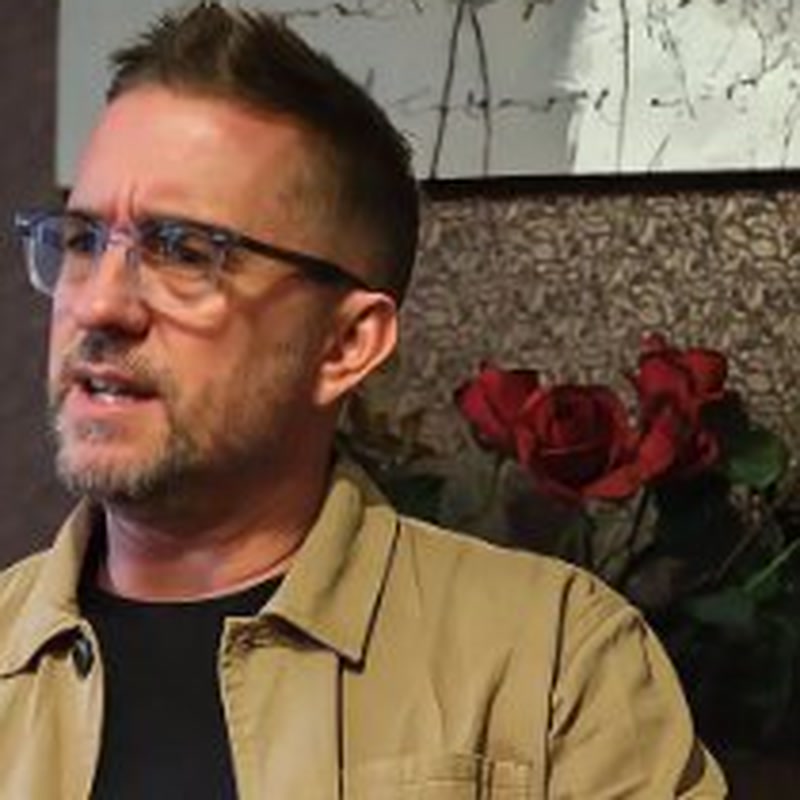
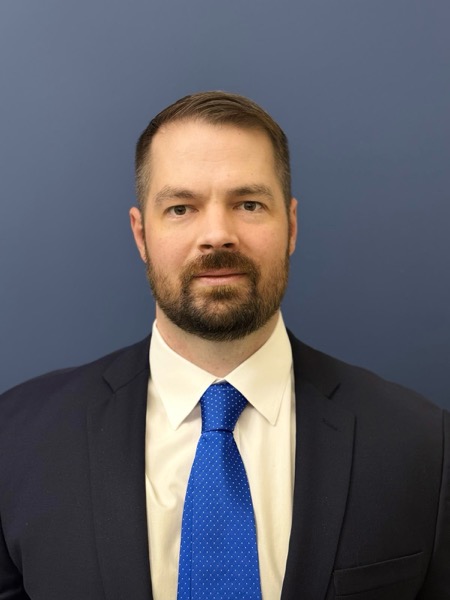 Rob Lee
 Samuel P.N. Cook host
Operational security has to be earned before a unit can enforce it, according to Jackie, the senior American military advisor to Third Army Corps. Asked by Rob Lee, a senior fellow at the Foreign Policy Research Institute, whether keeping Operation Vivaldi off public maps mattered, Jackie answered: "It was absolutely vital to conceal our operations from the enemy and our friends."
Lee had put the question as a live dispute. "There's been a debate on Twitter elsewhere about was secrecy important," Lee said, because DeepState "didn't update its map." And "some people think it was unnecessary. Some people think it was very necessary."
Lee then asked whether geolocations posted on Twitter actually affect the Russian military, and how. "They don't know what's going on," Jackie said. "So, you know, commanders at different levels will be seeking any source possible in order to inform them about what's going on." The reason is reporting. "Russians don't believe in a truthful reality," in Jackie's words, "especially if you're in the Russian army and especially if you're deployed to Ukraine."
Hear Rob Lee on what open sources saw of Vivaldi at 16:11.
What Lee saw from the outside
Lee was watching. "I remember there were a couple of videos geolocated in May. And I tweeted about this publicly, so I can acknowledge it." Then came the first videos, some already geolocated, "and that's when I think the geolocation stopped essentially." Geolocations continued to be done by "some of the pro Ukraine guys," and some of them "were in pretty advanced areas, which gave me a sense," Lee said. Beyond that, Lee "only knew like fragments."
Lee asked people in Third Corps for information. The answer each time: "no, I can't give any information." Lee's conclusion: "And so there was very good operational security."
Lee does not think the secrecy was for show. "I think things from OSINT can bleed into the war itself." Assessments of what gets geolocated on Twitter "do make into both the Ukrainian military and Russian military," Lee said, and "there is this, you know, very fast cycle. Any information advantage you can get is important."
Lee's account of the open-source signals before the 2022 invasion is in Rob Lee on the OSINT that exposed Russia's 2022 buildup.
Hear Rob Lee on this, at 16:11From “Operation Vivaldi From The Inside”What the Russians read
Jackie's picture of the other side starts with Rubicon, the drone unit Jackie calls "the big bad" and uses as a stand-in for Russian drone competence. Eight months earlier, Jackie said, "they had a food fight at their command." Since then its teams have been checking the DeepState map to decide where to go each day, because "local intel they have available is horrendously bad."
How far do Russian units rely on open sources? "I think they're 50-50," Jackie said, and it depends who you are talking to: one of the army commanders facing the corps is "100% Russian military."
Russia shut down Telegram and other platforms inside Russia so that they were not available to Russian soldiers, in Jackie's account. Has that helped Russia on the battlefield? "No." Has it helped Third Army Corps? "Of course. It definitely helps us." What it mostly does, Jackie said, "is it helps Russia maintain control of their insane army."
Why it has to be earned
Jackie's benchmark is American. For the US military's most critical operations, "You're not going to know until 10 years later for the actual key exploits that we used for that operation." Jackie's "whole mission at the unit is to push us into U.S. Army territory for performance."
Lee recalled a deployment that went "River City," when all internet and phone connection was cut "for like a month and a half, I think," and nobody could call their families. "We absolutely do this," Lee said. "And I think actually just the Ukraine experience here is important for the U.S. military."
A Ukrainian brigade commander cannot simply order it, Jackie argues. "The key enabler for our ability to use operational security at all has been a long time of conducting great operations without corruption, with results." In other words: "So basically, we earned our operational security."
Picture a brigade commander who watches a podcast, decides operational security is important and orders it, but needs "11,000 artillery shells from France" and "17 armored vehicles from somewhere" for the operation. "Nobody believes you, right?" With no reputation for success, "who is going to believe you?"
The price of silence
Sam Cook described what secrecy costs. "So if you enforce operational security, you lose the narrative," including the claim that "Ukraine's actually retaking more territory than Russia has gained this year on balance." What Ukraine gains, Cook thinks, matters far more: if Russia is not acknowledging a setback "and they don't get it from the Ukrainian side, then it's easy to cover up," and then "the catastrophic results of not reporting the truth start to compound and metastasize until it could become an operational problem."
Jackie understands why Ukraine shared so much for the first four years: it was "really critical for Ukraine to be able to gain the trust of partners." Jackie compares it to The Hunger Games, where popularity, clicks and likes decide the course of the game. The cost shows in Operation Spiderweb: "We'll tell you exactly how we did it. It's like, why? Why would we do that?"
Lee thinks another good example is a Ukrainian drone unit that stayed "completely unknown" for its first three years and "only kind of opened up publicly" because it needed funding and more personnel. Its argument was that "we don't want Russian generals to understand how effective our bomber drones are." Russia now uses heavy bomber drones, Lee said, "but they're several years behind Ukraine in this respect." And "by staying quiet, I think absolutely the Russians were slow to respond to it."
Lee's question gets an answer from both sides of the line. From outside, the corps left even a close watcher with fragments. From inside, Jackie says the silence worked only because Third Corps had already earned the trust to ask for shells without explaining why.