 Ukraine Military History Institute
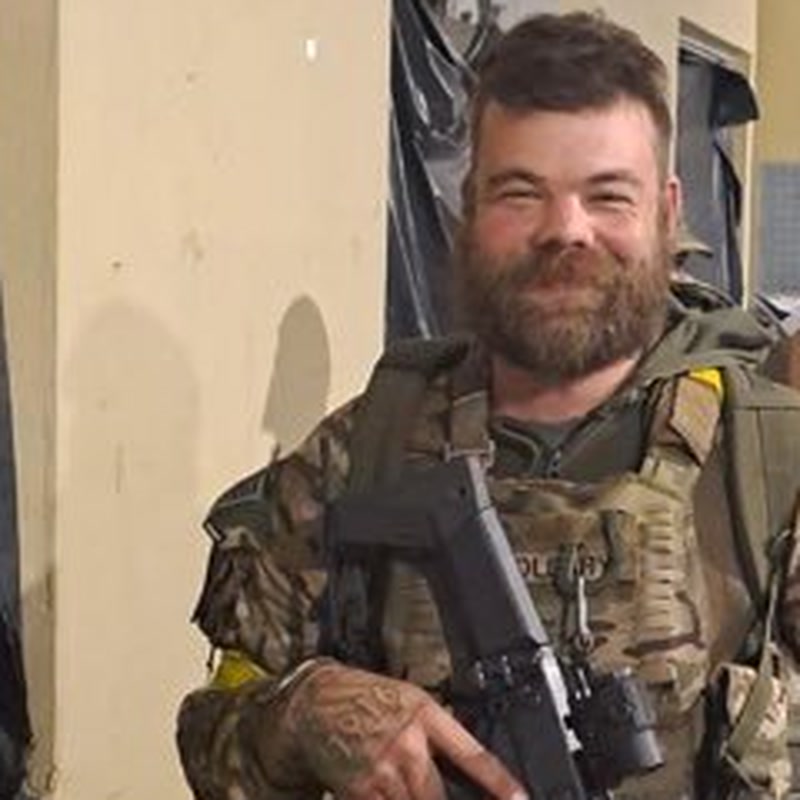
 Rob Lee
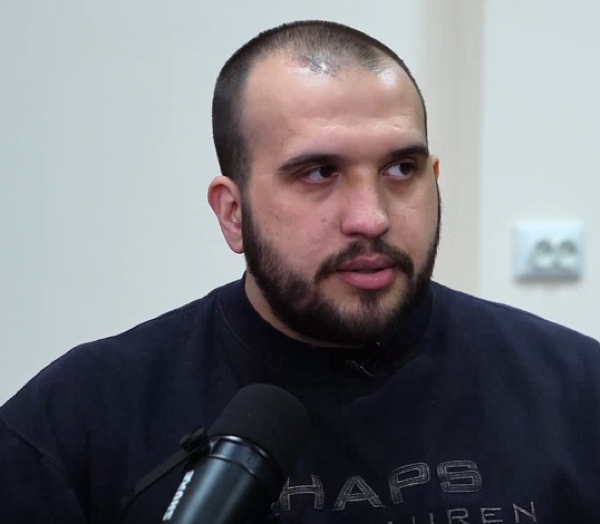 Dmytro Putiata
 Samuel P.N. Cook host
Hunting enemy drone teams takes ISR, FPV or bomber drones and maybe one or two howitzers together, Rob Lee argues, because many drones struggle to penetrate the blindages and bunkers the crews dig into. Dmytro Putiata, who had to counter enemy howitzers as a battle captain, says his artillery usually fired six to eight rounds before drones finished the job.
Rob Lee is a senior fellow at the Foreign Policy Research Institute and a US Marine veteran. Dmytro Putiata is a veteran sergeant of Ukraine's Unmanned Systems Forces. Speaking in May 2026, they reached the same answer from two directions, Lee from force structure and Putiata from running the fight:
- Find: ISR drones locate the crew and, once firing starts, show where the shells land.
- Suppress: artillery, in Putiata's case six to eight rounds, corrected by the ISR picture.
- Finish: drones with high explosive and cumulative munitions destroy the critical systems.
What is a drone-hunting team?
Lee's structural point is that both sides are creating what he first calls counter-UAS teams, then corrects himself: it is the wrong terminology. He does not mean teams that destroy or intercept drones in the air. He means teams that hunt down the opposing drone teams.
He names Rubicon as one unit that was doing this, and says Ukraine has companies doing it too. The distinction changes the target. Intercepting a drone removes one airframe. Finding the crew removes the capability that keeps launching them.
Hear Rob Lee on this, at 14:11From “The Kill Zone: Drone Warfare & Brigade Autonomy”Why isn't drone against drone enough?
At the moment, Lee says, the focus is on putting drone capabilities against drone teams, so it is kind of drone on drone. His argument is that this is often not the best tool. In many cases artillery is actually maybe the most effective, or one of the most effective, things for knocking these positions out, as well as aviation.
The reason is physical. Drones are effective, but many drones struggle to really penetrate blindages and bunkers. The crews being hunted are dug in. You need something heavier.
What would a drone-hunting company contain?
If a brigade wanted a company just for hunting drone teams, Lee thinks it probably needs to be a combination of:
- ISR, to find the team;
- some kind of strike, FPV and maybe bomber drones;
- maybe one or two howitzers, for the heavier effect drones cannot deliver.
The combination of effects, he says, is the ideal way of really countering drone teams. He does not expect it soon. It is a structural change that he thinks will come slowly, even if it is interesting to think through.
How did Putiata kill howitzers with six to eight rounds?
Putiata's evidence comes from last summer, when he served as a battle captain and had to counter enemy howitzers. Drones alone did not do it. A gun crew is not passive: against drones they are able to shoot them down, able to jam them and able to create protection around the gun.
What worked, he says, was the two together. He had to use artillery quite a lot, and only together with artillery was it the most efficient way to destroy or successfully suppress enemy artillery. Not just drones, and not just artillery.
The sequence is specific:
- The guns usually fired six to eight rounds, which, he notes, is not a lot.
- ISR drones showed where the shells detonated near the target, so the gunners could correct, as artillerymen do.
- Then different types of drones, with high explosive and cumulative munitions, went in to destroy the critical systems of the artillery piece.
The artillery did the suppression; the drones delivered the precise final blow.
Hear Dmytro Putiata walk through killing a howitzer at 16:00.
Why does a drone crew defend itself like a gun crew?
Putiata then applies the same logic to drone operators, which is where Lee started. They have their own layers of defence. They can have nets, they can have electronic warfare, they can shoot incoming drones down, and they can intercept your fibre-optic drone with another drone.
His conclusion: you cannot rely only on drones, at least right now, or only on artillery. There are a lot of assets, capabilities and threats on both sides, and the job is to understand how to use them properly and effectively. Lee agrees.
Is this just combined arms?
Putiata's own summary is dry: it is combined arms, good morning. In his telling nothing fundamental happened. The drone appeared as an extra tool, an extra opportunity and an extra threat.
He made the same case a few minutes earlier as a lesson for other armies. Drones, in his view, should be part of the ecosystem, not something separate, used alongside artillery, tanks and the rest, because drones are not absolute. He calls two popular views undiplomatically wrong: that drones will destroy and do everything, and that drones are for less developed countries while others will fight in a different way. Other nations may fight in a different way, he accepts, but right now you cannot ignore drones, detection and protection from them.
The same preference for one owner per mission runs through Lee's case, which Putiata fully agrees with, that deep strike would probably be much more efficient with one organisation dedicated to it: the four organisations doing Ukraine's deep strike.
Would NATO armies cope with drone teams?
Lee doubts it. He points to the Israel Defense Forces having difficulty in Lebanon with Hezbollah FPV teams that are operating at probably a 2023 level, far, far less sophisticated in quality, quantity, training and experience than Ukraine's or Russia's. If the IDF is having problems, he thinks it is pretty safe to say a lot of NATO militaries would have the same problems too. And it shows, he says, in training exercises when Ukrainian teams go and operate with NATO countries.
That makes the hunter-company idea more than a Ukrainian workaround: it describes what any army would need once the enemy's drone crews dig in, and the old answer, layered fire from more than one arm, still applies.
Putiata's view that Ukraine already knows how to deal with drones, and will manoeuvre again on a smaller scale, is in why Ukraine's next offensive will be smaller.