 Ukraine Military History Institute
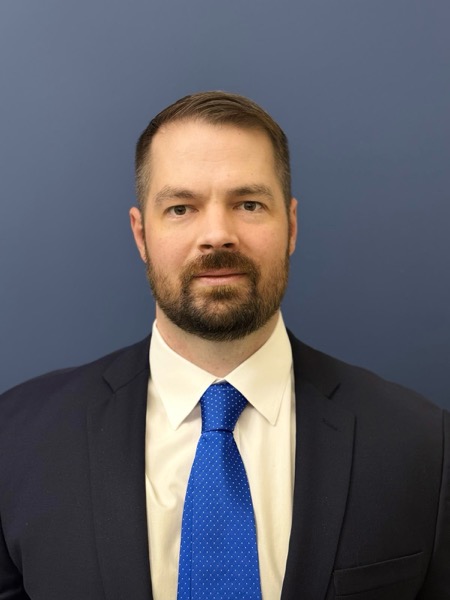 Rob Lee
 GUR Legion Commander
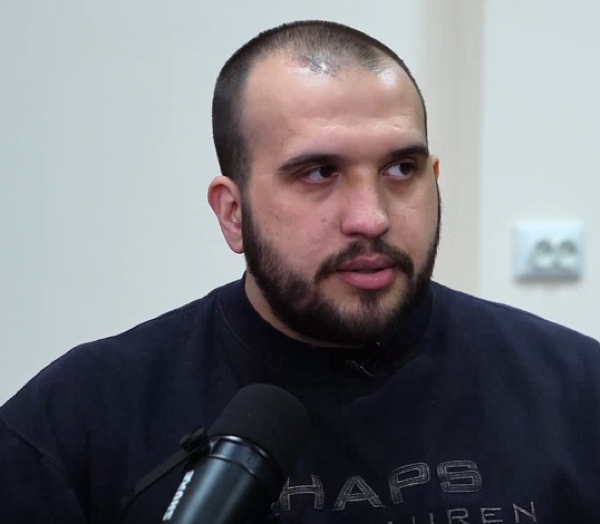
Special forces built for the drone war should be "25, maximum 30 percent of infantry, not more," says a commander in the International Legion of GUR, Ukraine's Defence Intelligence. He told Rob Lee, a senior fellow at the Foreign Policy Research Institute, that the rest, in his view, should be "a really huge UAV component." On the front he fights, he thinks drones cause "minimum 80%" of casualties.
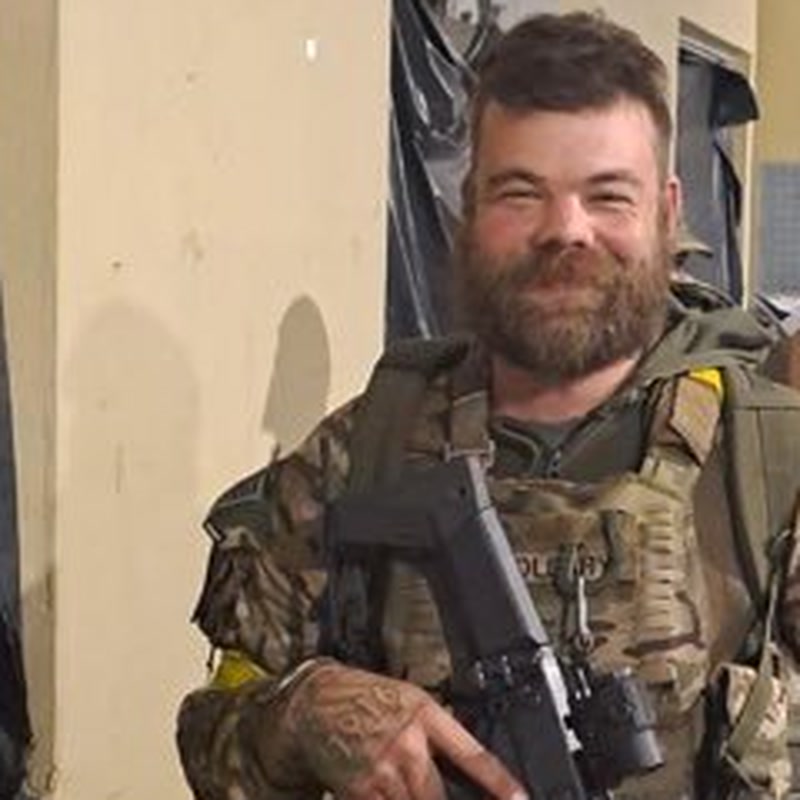
The commander, call sign Mozart, leads a separate special forces company in the Legion, which he calls an "elite unit of the legion." Its specialisation is "ambush, raids, diversion," and it can also do regular infantry work. He gave Lee his answer at the end of a conversation that began with his own war: the Battle of Kyiv, the Kherson counteroffensive, and Bakhmut, where, he says, a unit could still do almost anything. On the open ground he fights on now, he says you "almost can't use" snipers and mortars.
Bakhmut, when almost every kind of work was possible
Mozart served in SBU Alpha before he moved to the Legion in 2024. In Bakhmut, "exactly my unit was a mortar team, But at the same time, it's also Mavic, FPV," and many others. Lee told him that snipers from SSO had described the battle as "the golden age of sniping," before UAVs made sniping difficult.
Mozart's memory of the city matches it. "It was a place where you can do almost every work you want. Sniper, FPV, mortar, anything you want." It was also "a huge mix of different units." Asked about poor Russian communication early in the war, he did not spare his own side: "I think we could talk that in Ukraine armed forces from time to time we have the same problems."
After Bakhmut "was hospital," Mozart said. "It was my first injury."
Lee had earlier asked whether the Battle of Kyiv was the peak of special operations in the modern era. Mozart answered: "it's really scary times, but yes, for special operation forces, it's a good time to work."
Hear the Legion commander on Kherson and Bakhmut at 30:22.
Hear Rob Lee on this, at 30:22From “Inside GUR’s International Legion: The 80% Drone War”What the kill zone did to snipers and mortars
Lee asked whether mortars still have a role now that "the kill zone has expanded so much." Mozart's answer: "Mortar is something like sniper." On open ground, "because big kill zone, especially on the big landscapes like in Zaporizhzhia, so you almost can't use sniper's mortars and some PTRK, for example, it's also unuseful things." His conclusion is a trade: "It's better to make one FPV teams instead of PTRK."
Snipers, which Lee had heard called the stars of Bakhmut, barely figure. Are they playing much of a role? "No." Mozart put a number on it: "I think if we're talking about 100% effective, sniper is now, I think, 10% effective. It's a very, very specific mission."
Glide bombs get a similar verdict. With KABs, "the main thing is terror," he said, because "you need to exactly know the coordinates of position." He once had "eight KABs around our position. Not so close, but in fact, and no damage."
Artillery is the exception he will not wave away. It is "still a problem," because Russia has "a lot of artillery, different artillery system." Even so, when Lee asked what share of casualties drones cause, he answered: "I think it's minimum 80%." On both sides? "Yes. It's really not often straight fight even artillery I think 80% minimum."
How deep that zone runs is the subject of What Is Ukraine's Kill Zone? Rob Lee's 15 to 20 km Answer.
How the Russians fight inside it
Mozart's description of Russian tactics on his sector shows what infantry now faces there. He calls it "RATS tactics," and "rats and tactics is do or die." The attackers "have no, almost no evacuation." Russians his unit captured told them: "we have no choice or we do or we die."
Armour and big groups have almost disappeared from Russian attacks. "They almost don't use armor vehicle, they almost don't use big troops." Instead, small groups infiltrate between Ukrainian positions "as deep as they can." A lot of them, he said, "when they infiltrating they already go to surrender to our guys," hungry and tired after holding a position "without water and food 10 days 12 days 20 days."
Alpha learned it first
Mozart's own unit history shows how fast the shift came. Alpha, he thinks, is "one of the most modern and technological units now." Its path ran "first Mavic, then first FPV, one of the first FPV. and bombers and many, many other things. Really, it's very costly, but it's very effective." The FPV role became huge so quickly that it was "very fast to become almost everybody" an operator.
His recruiting follows the same logic. Fitness on arrival matters less than improvement, and people go where they are most effective. A good UAV specialist, "as a rule, it's some ID who at all couldn't do sport, but he good technique. And that's why it's important for me, a specialist." Asked what share of the Legion is Ukrainian, he said it depends on the unit, "but I think we can talk about 40, 50 percent."
The future he would build
Lee closed by asking what lessons NATO special operations forces should take from the war. Mozart's answer rests on a few points.
"I think future of special operation forces, it's right philosophy of this unit. It should be a technological unit. It should be 25, maximum 30 percent of infantry, not more." The rest is "a really huge UAV component, different UAV component," because "future of special operation is complex" and depends on the "ability to adapt," with the situation "every time changing, changing fast."
The last point is about people, not machines: "really right commanders. When commander want to save his personal, his guys, then it future, I think."
Mozart's account runs from Bakhmut, where a unit could do "almost every work you want," to a sector where he thinks a sniper is now 10% effective and drones cause minimum 80% of casualties. The special forces unit he would build has a huge UAV component, and infantry at 25, maximum 30 percent.