 Ukraine Military History Institute
Ukraine Air and Missile Defence: What Gets Through
Rob Lee says a single Patriot interceptor against an Iskander is often a 50% chance of hitting or less, and there is no good alternative right now to PAC-3. Dmytro Putiata says Ukraine knows where launchers sit in forests but must catch them standing. Ian Laffey argues interceptors fail without repetitions at the front.
Updated
Key findings
- Rob Lee says the warning from a ground-launched ballistic missile can be seconds before impact. (Rob Lee, listen)
- With only one interceptor per missile, Rob Lee says the Patriot's guess is often a 50% chance of hitting or less. (Rob Lee, listen)
- Dmytro Putiata has heard Russia has two launchers for the North Korean missiles, and supposes perhaps up to six launchers and more than 100 missiles. (Dmytro Putiata, listen)
- Rob Lee says KABs have never enabled a breakthrough in the three years Russia has had them. (Rob Lee, listen)
- Rob Lee says there is no good alternative right now to PAC-3, the Patriot interceptor. (Rob Lee, listen)
- Ian Laffey says it just does not make sense to build interceptors in the US without the feedback of the front. (Ian Laffey, listen)
The people in this topic


Why can't Ukraine stop Iskander missiles?
Rob Lee says ground-launched missiles give seconds of warning, a single Patriot interceptor is often a 50% chance of hitting or less, and there is no good alternative right now to PAC-3.
- Why Ukraine Can't Stop Iskander Missiles, by Rob LeeOne Patriot is often a 50% chance or less against an Iskander, says Rob Lee, and the warning is seconds. Dmytro Putiata on hunting the launchers instead.

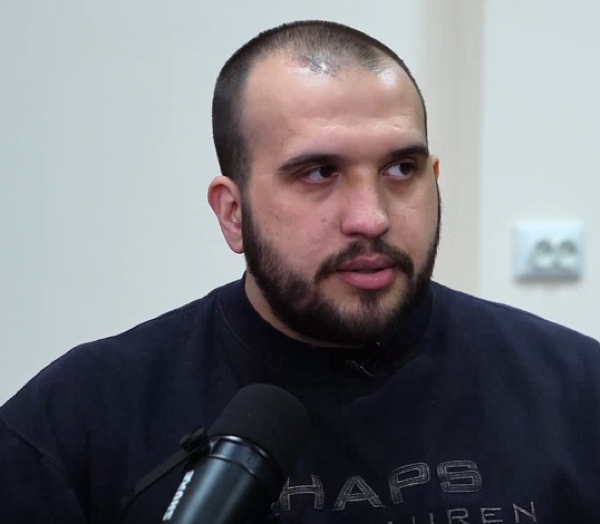
- Is Ukraine Still Dependent on US Aid? Rob Lee on PAC-3Drones cause more than 80% of casualties and most are made in Ukraine, says Rob Lee, so it needs far less US aid. PAC-3 and Starlink are the exceptions.
Why can't Ukraine stop glide bombs?
Rob Lee says Ukraine's foreign supporters have not developed a way of dealing with KABs, and a Buk cannot be brought up near the front line because drones will hit it.
How is Russia adapting its drone and missile strikes?
Dmytro Putiata says Russia succeeded in jamming Starlink and is much faster in fielding jet-powered drones such as the Geran-4, while Rob Lee says the Banderol is now used in large numbers.
Why do US-built interceptors fail?
Ian Laffey says interceptors built far from the threat cannot get the reps, testing and feedback needed to employ them, and many are already too far behind jet powered drones.