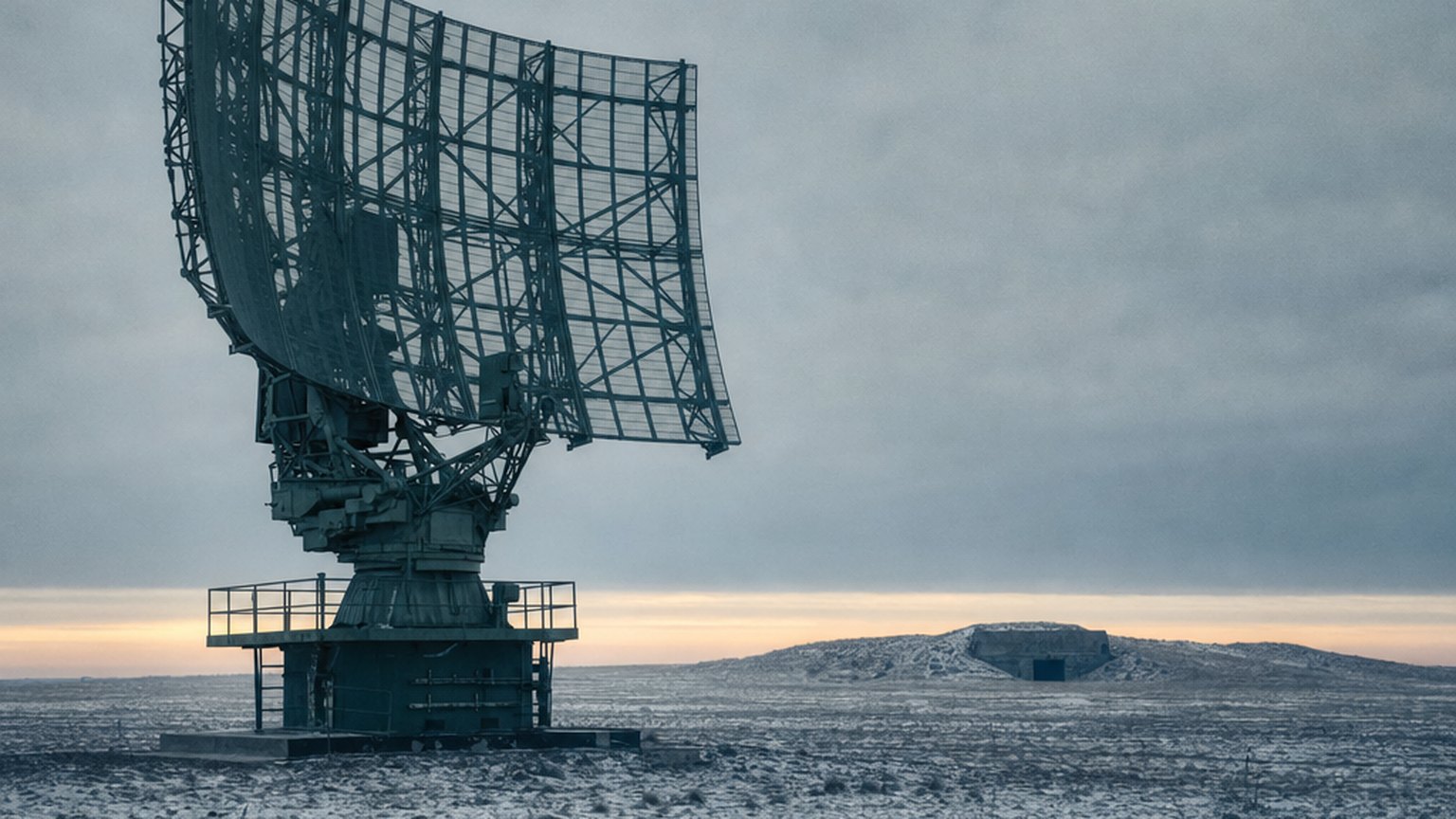
Ukraine's long-range war against Russian refineries, airbases, logistics and air defence: what it is hitting, what that actually achieves, and what it costs per drone.
Ukraine spent the first two years of the full-scale war unable to answer Russia's long-range fires. Russia could reach any city in Ukraine; Ukraine could barely reach past the immediate rear of the front. That asymmetry shaped what each side could risk. It no longer holds.
What replaced it is not parity. It is a campaign fought mostly with cheap one-way drones and a small number of cruise missiles, aimed at refineries, airbases, air defence and the logistics that feed them. The pieces below take that campaign apart: what it is actually hitting, how much of it gets through, what a single strike drone costs, and the gap between setting a refinery on fire and taking it offline.
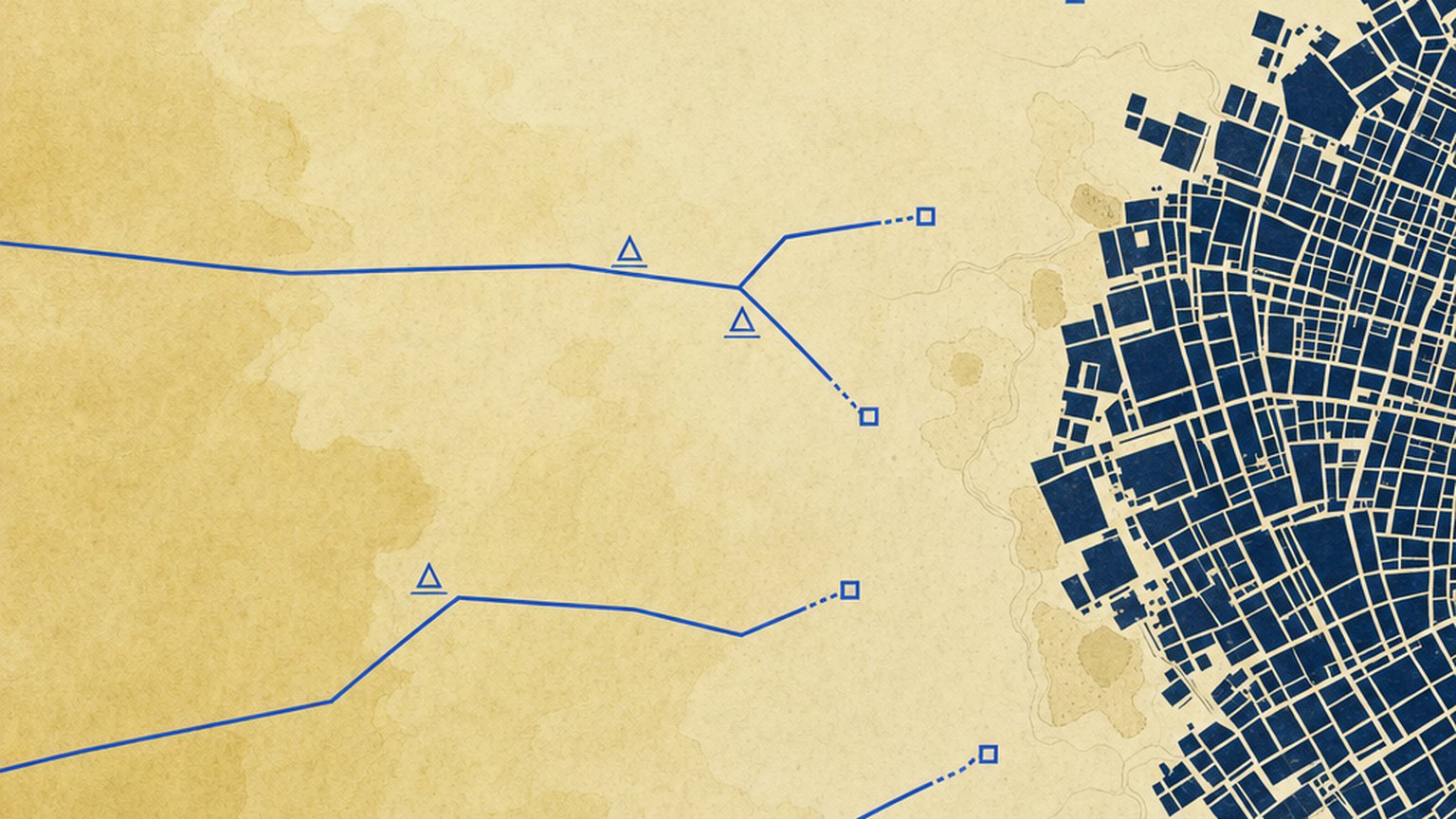
Two distinctions run through all of it. The first is between deep strike, reaching into Russia proper, and what the podcast's guests call middle strike, the band past the front line but short of Moscow where most of the useful targets sit. The second is between damage and effect. A refinery that burns on Tuesday and runs on Friday has produced a video, not a result.
Rob Lee on why Ukraine now holds the upper hand in middle strike, from FP-2 drones with 100 kg warheads to Starlink cut off from Russian Molniya, and Dmytro Putiata on why buried command posts need cruise missiles, not drones.
Deep-strike drones are not precision weapons: 15 to 30 percent get through and one missed a factory by 100 metres. Dmytro Putiata on why burning refineries keep working, and the economic campaign both sides are now fighting.
Rob Lee on 1,000 drones in a night, St Petersburg hit during its own economic forum, why Russian glide bombs cannot reach past the front, and the FP-2 doing an air force's job.
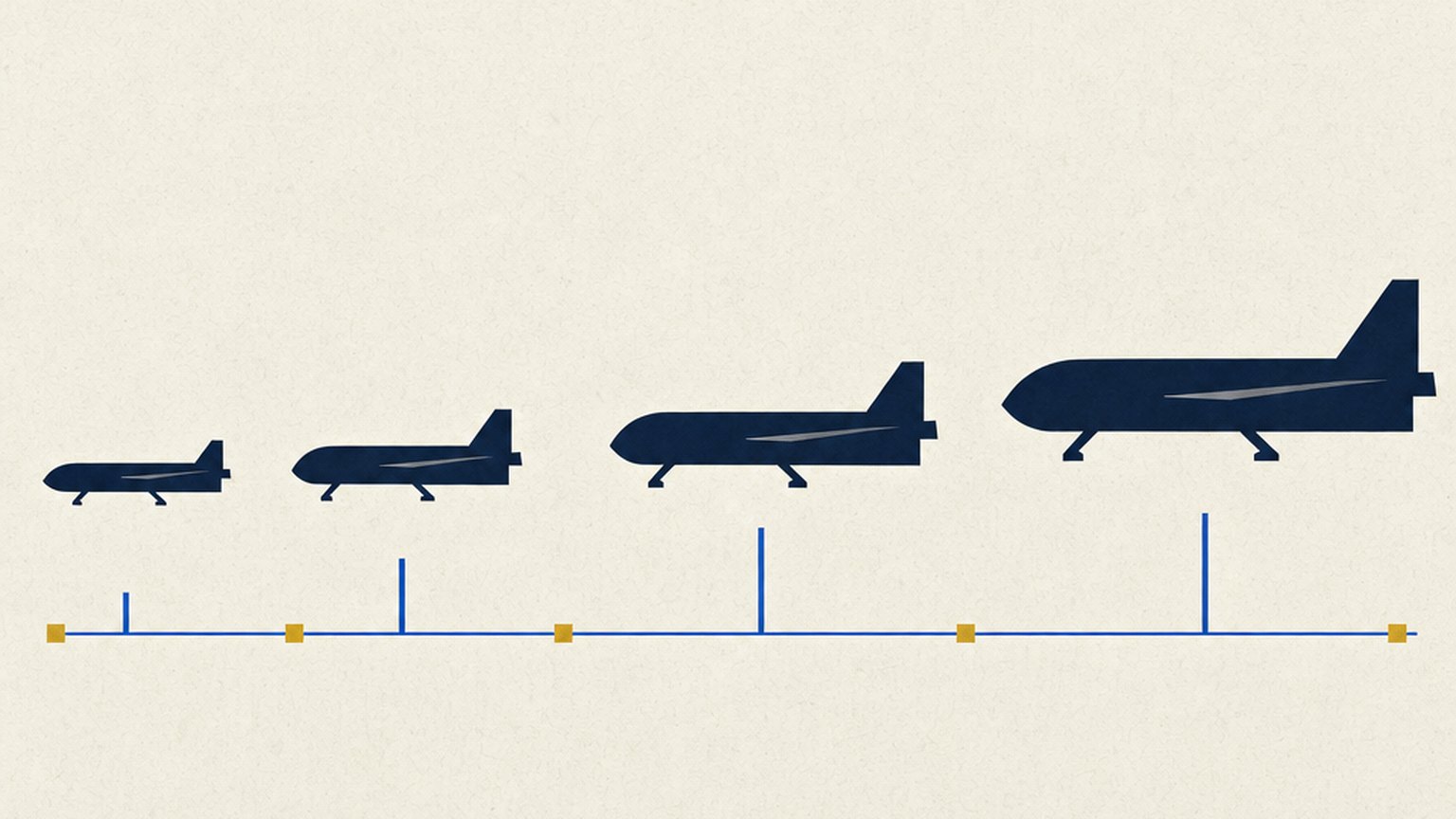
TB2 at $50,000, Hornet at $3,500, Dart near $2,000, and a Ukrainian officer correcting the Molniya price on air. Plus what happened to Russia's UGVs when Starlink went away.
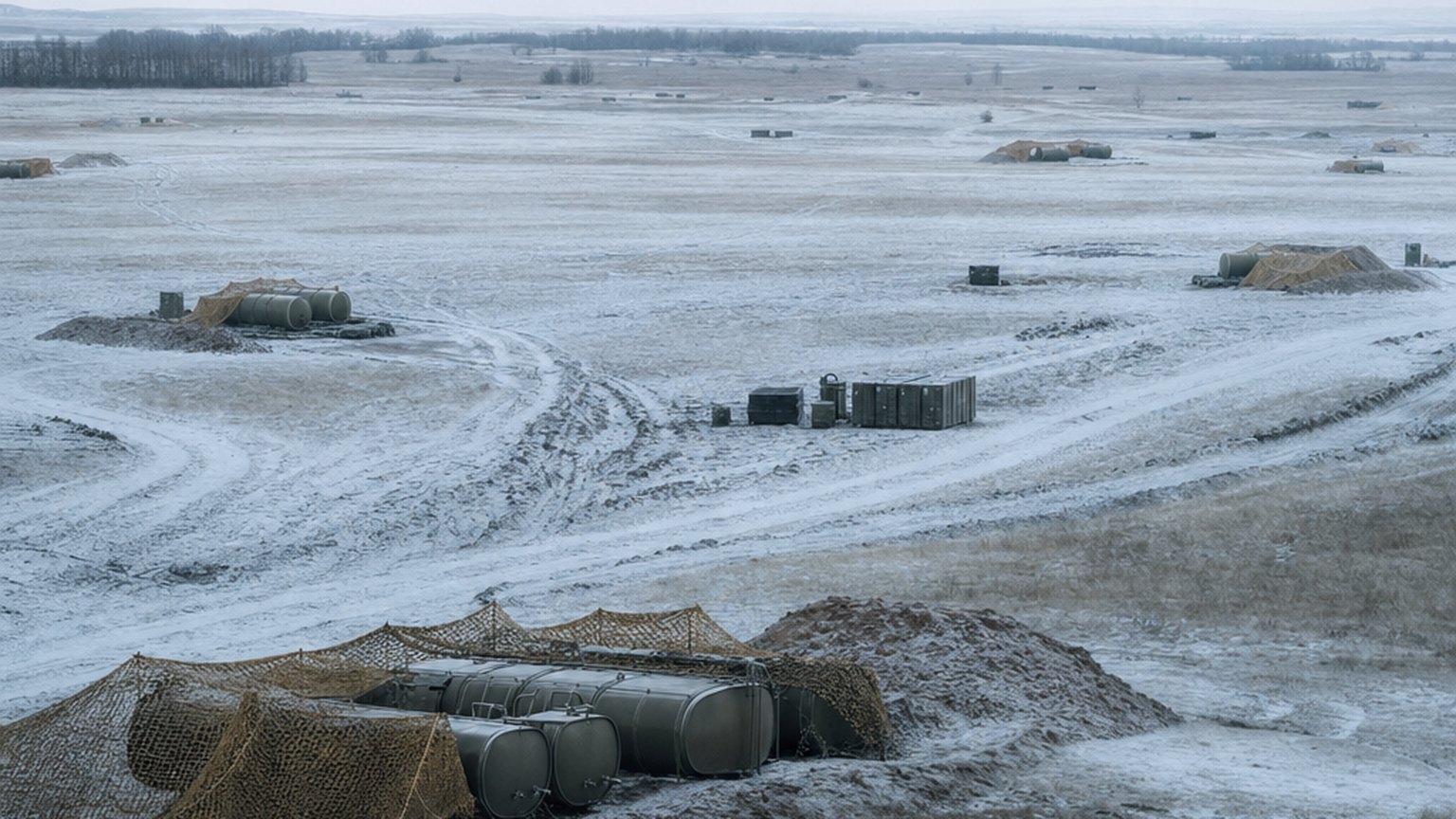
Francis Farrell and Rob Lee on why middle strike bites in the open south and stalls in the urban east, why Russia's adaptation was always coming, and what jet-powered Shaheds change.
Rob Lee on the measurable result of middle strike, Russian interceptor teams pulled back to guard highways, why the window narrowed, and why Gerans are not yet cutting logistics.
Stay in the loop
Never miss an episode
Get an email when a new episode drops. No spam, unsubscribe anytime.
 Ukraine Military History Institute